Key Findings
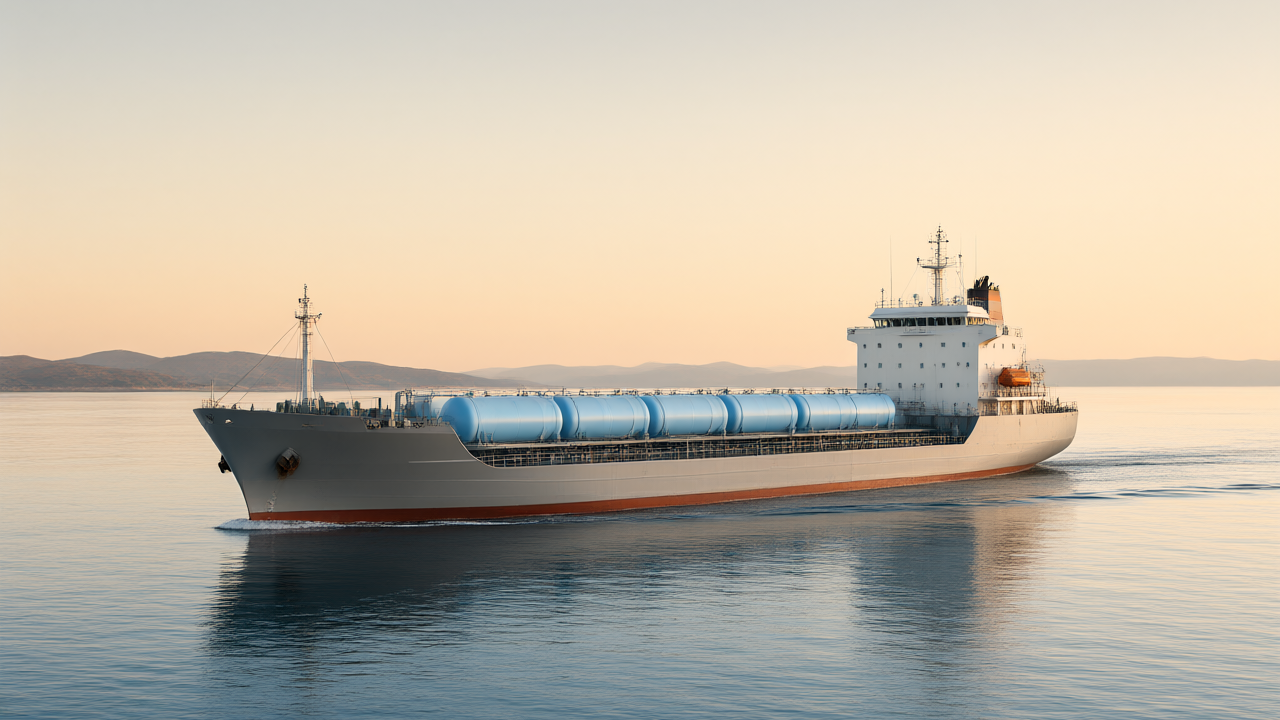
On September 25, 2026, the oil tanker Kikou Maru completed a demonstration voyage in Osaka Bay, traveling approximately 33km (about 18 nautical miles) over two hours. According to the Nippon Foundation, this marks the world’s first demonstration voyage of a vessel equipped with a pilot-ignition hydrogen-dedicated engine. The voyage resulted in a CO2 emission reduction of approximately 1.2 tons compared to conventional fuels.
Technical Details
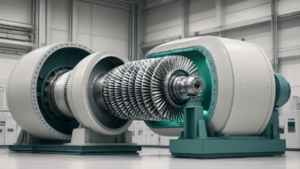
The vessel utilizes a configuration where the hydrogen engine serves as a generator to supply power to an existing electric propulsion system. The technical architecture includes:
- Power Generation: Four diesel generators with a total rated output of 5200kW (1300kW each).
- Propulsion: Two propulsion motors with a total rated output of 3300kW (1650kW each), which drive two propeller shafts via inverters for speed control.
- Energy Storage: Lithium-ion batteries are integrated into the power system to absorb load fluctuations from the propulsion motors, smoothing the load on the generators. Batteries also provide power during mooring to reduce generator operation.
- Power Distribution: A common distribution system supplies electricity to both the propulsion motors and cargo pumps, a specific advantage of electric propulsion for tankers.
Background and Context
Owned and operated by Ueno Transtech and built by Fukuoka Shipbuilding’s Nagasaki plant in 2025, the Kikou Maru is a 104.93m vessel with approximately 4500 gross tonnage and a cargo capacity of approximately 5000 kiloliters. The project was part of the “Zero Emission Ship Project” started by the Nippon Foundation in 2022. Yanmar Power Solution developed the hydrogen-dedicated engine and related equipment, while Ueno Transtech handled vessel modification and crew training.
Significance and Outlook
The vessel was designed as “hydrogen fuel ready,” allowing for a retrofit approach. It was first completed as a diesel-powered electric propulsion tanker, with hydrogen engine power equipment and tanks added later. This method allows vessels to maintain normal operations using conventional fuels while integrating zero-emission technology.
Source: https://monoist.itmedia.co.jp/mn/articles/2611/17/news010.html
Get our weekly technology intelligence — free
Receive an infographic that lets you judge at a glance whether each field’s analysis report is worth reading.
Subscribe Free — Weekly Tech Intelligence
By subscribing, you’ll receive Troy-Technical’s weekly technology intelligence newsletter.
- Your email and selected fields are used only to deliver the newsletter.
- We never share your information with third parties.
- You can unsubscribe anytime via the link in each email.
See our Privacy Policy for details.
Takes about a minute · Unsubscribe anytime