Key Findings
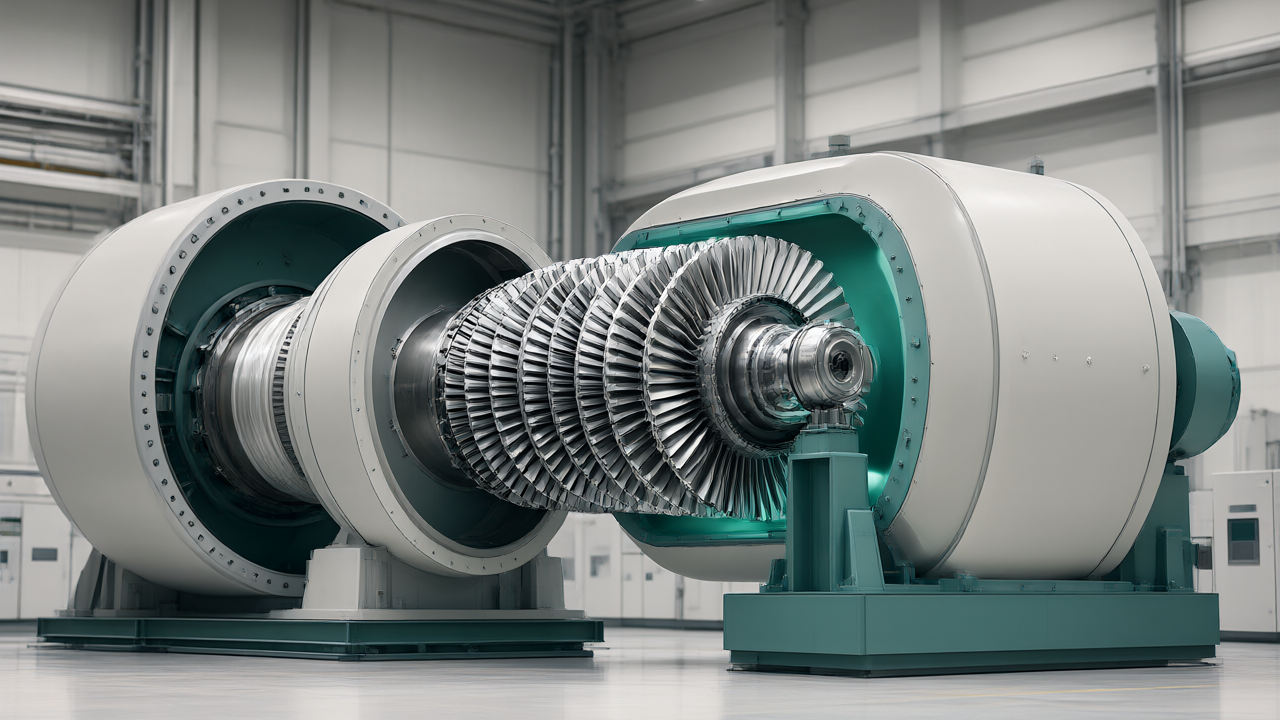
Kawasaki Heavy Industries has installed the L30A gas turbine at the Emsland power plant in Lingen, Germany, operated by RWE. The turbine, which has an output of 34MW according to RWE, is the first 30MW-class turbine in Europe capable of both hydrogen co-firing and mono-firing as of November 2026.
Technical Details
The primary technical feature of the L30A is its ability to adjust the fuel mix between hydrogen and natural gas anywhere from 0% to 100%. To verify operational stability, tests are being conducted across five specific volume ratios: 0%, 25%, 50%, 75%, and 100% hydrogen. The objective is to ensure that power output remains consistent regardless of the fuel blend.
Background and Context
The project addresses the volatility of hydrogen availability and cost. By allowing the fuel ratio to fluctuate based on current inventory, the plant can rely more heavily on natural gas when hydrogen is scarce and shift to hydrogen when it is abundant. This infrastructure is situated next to a water electrolysis plant that produces hydrogen using renewable electricity. The site is also adjacent to a nuclear power plant that ceased operations in April 2023, one of the last three to operate in Germany.
Significance and Outlook
This deployment is a strategic response to “Dunkelflaute” (dark doldrums)—periods of low wind and solar output—as Germany targets 80% renewable energy consumption by 2030. The system enables the storage of excess renewable energy as hydrogen, which can later be converted back into electricity via the turbine. While currently in the testing phase, the project will evaluate emissions compliance, flame stability, component durability, and operational ease over several months. There is an expectation that this technology could eventually produce up to 10 times more electricity than previous hydrogen turbines.
Source: https://www.gizmodo.jp/article/kawasaki-hydrogen-gas-turbine-germany/
Get our weekly technology intelligence — free
Receive an infographic that lets you judge at a glance whether each field’s analysis report is worth reading.
Subscribe Free — Weekly Tech Intelligence
By subscribing, you’ll receive Troy-Technical’s weekly technology intelligence newsletter.
- Your email and selected fields are used only to deliver the newsletter.
- We never share your information with third parties.
- You can unsubscribe anytime via the link in each email.
See our Privacy Policy for details.
Takes about a minute · Unsubscribe anytime