Background
Hydrogen is recognized as a pivotal decarbonization solution for sectors challenging to electrify, including heavy industry, long-haul transportation, and seasonal energy storage. Governments worldwide are actively formulating national hydrogen strategies, offering subsidies and tax incentives to stimulate the production and utilization of low-emission hydrogen. However, recent geopolitical tensions have introduced new concerns regarding energy supply stability, profoundly influencing national energy security policies. The IEA’s review thus emphasizes hydrogen’s dual role: not merely as a decarbonization tool, but also as a strategic asset for enhancing energy independence and mitigating supply chain risks.
Key Findings
The International Energy Agency (IEA) has released its comprehensive ‘Global Hydrogen Review 2026,’ offering a detailed analysis of the current state of global hydrogen production, demand, policy, and infrastructure. A central finding of the report is that ongoing conflicts in the Middle East have significantly impacted the supply of hydrogen and hydrogen-derived products, such as fertilizers, thereby exposing critical vulnerabilities within global supply chains. Consequently, the potential for low-emission hydrogen to bolster energy security has risen to the forefront of policy agendas across numerous nations.
Technical Insights
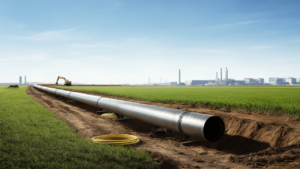
The review indicates that while global hydrogen production largely remains fossil fuel-based, there is an escalating trend in investment and interest in low-emission hydrogen, particularly green hydrogen projects. Advancements in electrolyzer technology, coupled with declining renewable energy costs, are improving the economic viability of green hydrogen production. However, substantial infrastructural development—including hydrogen transmission pipelines, storage facilities, and export/import terminals—remains a critical bottleneck for the large-scale expansion of the hydrogen economy. The disruptions caused by geopolitical conflicts underscore the risks associated with concentrated production regions and highlight the necessity for diversifying global supply sources.
Strategic Outlook
The IEA’s analysis clearly articulates the imperative to accelerate investment in low-emission hydrogen to concurrently achieve energy security and decarbonization objectives. Moving forward, the report stresses the importance of regional diversification of hydrogen production, the establishment of resilient supply chains, and the strengthening of international trade relationships. Continued innovation in hydrogen technologies, along with sustained cost reductions and global cooperation on standardization, will be crucial drivers for the hydrogen economy’s sustainable growth. These efforts are expected to diminish reliance on fossil fuels and accelerate the transition towards a more stable and cleaner global energy system.
Source: https://www.iea.org/reports/global-hydrogen-review-2026
Get our weekly technology intelligence — free
Receive an infographic that lets you judge at a glance whether each field’s analysis report is worth reading.
Subscribe Free — Weekly Tech Intelligence
By subscribing, you’ll receive Troy-Technical’s weekly technology intelligence newsletter.
- Your email and selected fields are used only to deliver the newsletter.
- We never share your information with third parties.
- You can unsubscribe anytime via the link in each email.
See our Privacy Policy for details.
Takes about a minute · Unsubscribe anytime