Key Findings
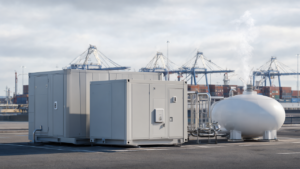
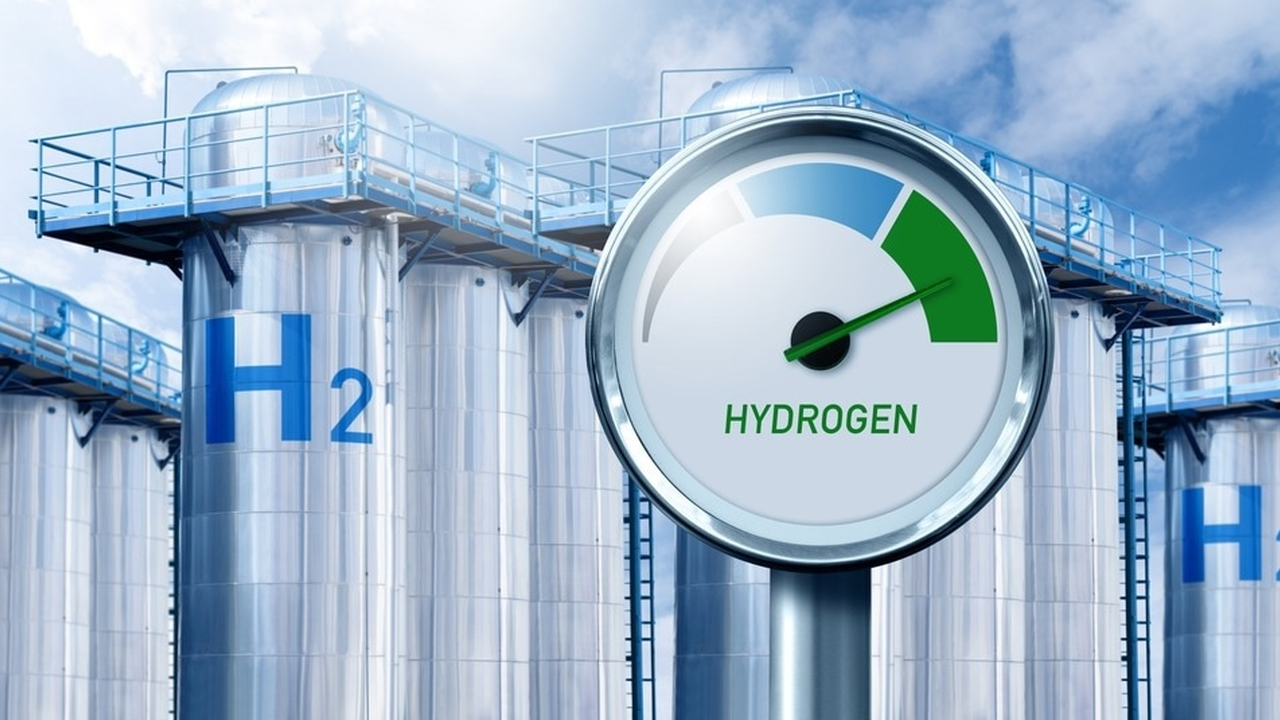
As hydrogen gains prominence as a versatile option for clean energy production, the urgent need for efficient hydrogen storage and distribution systems has become a central focus. High-pressure tanks are currently the most common method for storing hydrogen, providing a foundational technology for various applications. However, expanding the hydrogen infrastructure to include robust electrolyzer plants, extensive pipeline networks, and accessible refueling stations is paramount for the global transition to a hydrogen-based economy.
Technical / Clinical Details
Hydrogen storage methods primarily fall into two categories: physical storage and material-based storage. Physical storage includes compressed gas hydrogen (CGH2) and liquid hydrogen (LH2). CGH2 typically involves storing hydrogen at pressures ranging from 350 to 700 bar in composite or steel tanks, commonly used in fuel cell electric vehicles and stationary power applications. LH2, on the other hand, stores hydrogen at cryogenic temperatures (around -253°C), offering higher energy density by volume but incurring significant energy costs for liquefaction and insulation. Material-based storage, such as metal hydrides, chemical hydrides, and adsorbent materials, is an active area of research aiming to achieve safer and more compact storage solutions at milder conditions. For distribution, hydrogen infrastructure encompasses dedicated pipelines, tube trailers for road transport, and cryogenic tankers for large-scale maritime transport. The development of a comprehensive refueling station network is also essential to enable broader adoption across sectors.
Background & Context
Hydrogen is a promising energy carrier for decarbonizing hard-to-abate sectors like heavy industry, long-haul transport, and seasonal energy storage. Producing ‘green hydrogen’ via electrolysis powered by renewable electricity offers a pathway to near-zero emissions. However, hydrogen’s low volumetric energy density at ambient conditions presents significant engineering challenges for cost-effective storage and distribution. Existing infrastructure largely caters to fossil fuel-derived hydrogen, necessitating substantial investment and innovation to build out a new ecosystem compatible with green hydrogen. The global drive for net-zero emissions has intensified efforts to overcome these technical and economic hurdles, with governments and industries worldwide investing in pilot projects and regulatory frameworks to accelerate hydrogen deployment.
Strategic Significance & Outlook
The successful scaling of the hydrogen economy hinges on the advancement and commercial viability of its storage and distribution technologies. Innovations in high-pressure tank materials, more energy-efficient liquefaction processes, and breakthrough material-based storage solutions will significantly reduce costs and improve the practicality of hydrogen use. Furthermore, the strategic development of cross-country and intercontinental hydrogen pipelines, along with standardized safety protocols for all infrastructure elements, will facilitate global hydrogen trade and foster a truly integrated clean energy system. As these challenges are addressed, hydrogen is poised to become a cornerstone of future energy systems, providing flexible and clean energy solutions across diverse applications.
Source: https://www.azocleantech.com/article.aspx?ArticleID=2150
Get our weekly technology intelligence — free
Receive an infographic that lets you judge at a glance whether each field’s analysis report is worth reading.
Subscribe Free — Weekly Tech Intelligence
By subscribing, you’ll receive Troy-Technical’s weekly technology intelligence newsletter.
- Your email and selected fields are used only to deliver the newsletter.
- We never share your information with third parties.
- You can unsubscribe anytime via the link in each email.
See our Privacy Policy for details.
Takes about a minute · Unsubscribe anytime