Key Findings
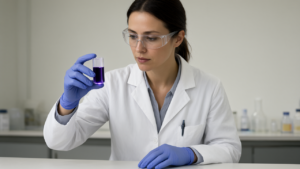
A joint research team led by Dr. Eun-kyung Lim of the Korea Research Institute of Bioscience and Biotechnology (KRIBB) has developed a nano-AI fusion diagnostic platform capable of detecting drug components in urine within 5 minutes. The system requires only a single drop of urine and eliminates the need for separate chemical pre-treatment. In experiments using actual urine samples, the platform distinguished drug-positive reactions with approximately 80% performance, even when analgesics or other medications were present.
Technical Details
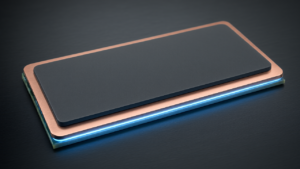
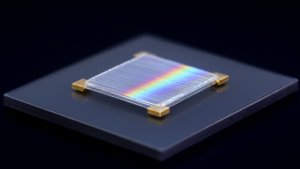
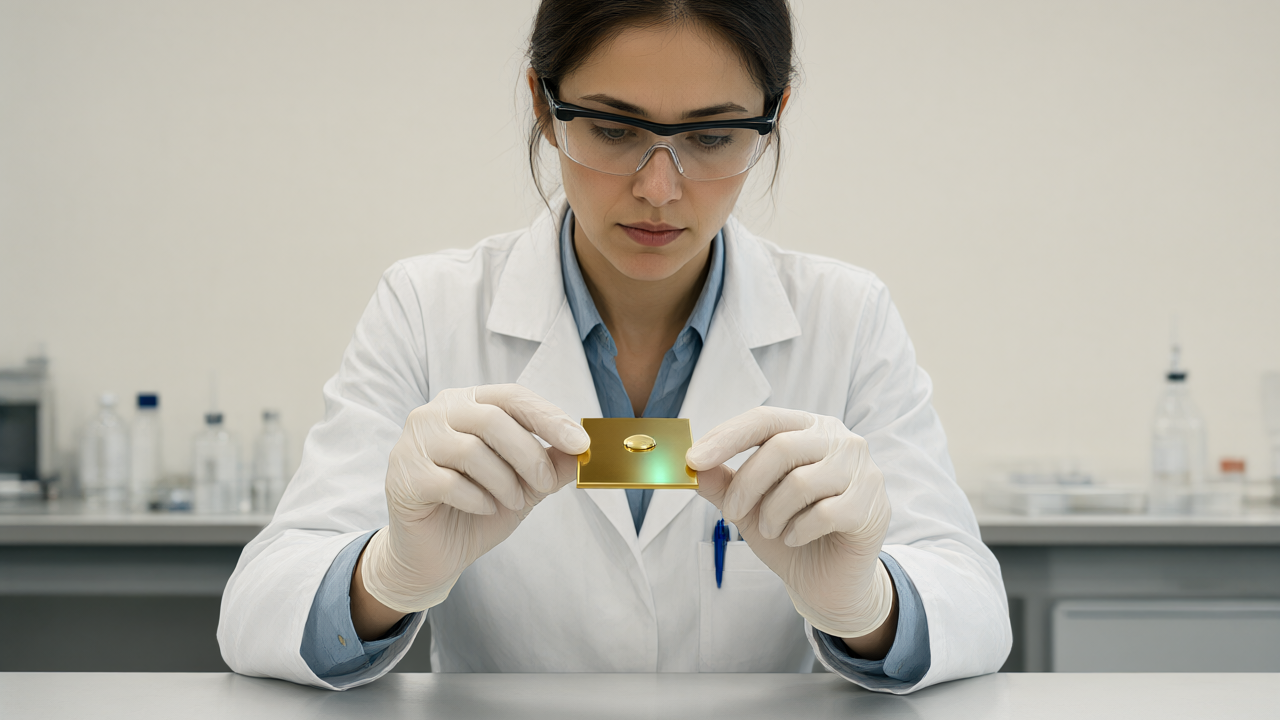
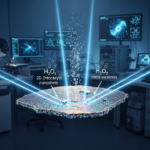
The platform integrates optical signal amplification via nano-structures with a machine learning-based analysis algorithm. The hardware consists of a gold nano-substrate featuring densely arranged nanometer-sized pillars and fine surface curvatures. This structure amplifies the minute light vibration signals produced by drug molecules by millions of times, allowing for the detection of trace amounts that are typically indistinguishable from biological waste.
To process these amplified signals, the team implemented the LightGBM machine learning algorithm. This AI model is trained to recognize unique “signal fingerprints” of specific drugs, separating them from the complex noise generated by metabolic waste and other pharmaceutical metabolites in the urine.
Background & Context
Current high-precision drug tests require multi-step sample processing and professional laboratory equipment. Conversely, rapid on-site test kits often struggle with accuracy when drug concentrations are low or when substances with similar chemical properties are present. The developed platform aims to bridge this gap by combining the speed of rapid tests with the precision of advanced analytical techniques.
Significance & Outlook
The technology’s viability was further validated through animal testing, where drug components were successfully detected in the urine of mice within 6 hours of administration. Future research will focus on expanding the system’s capability to identify specific types of drugs rather than just positive/negative results. The team plans to secure additional clinical samples for validation and pursue the miniaturization of the hardware to develop a portable diagnostic device.
Source: https://www.seoulilbo.co.kr/news/articleView.html?idxno=22433
Get our weekly technology intelligence — free
Receive an infographic that lets you judge at a glance whether each field’s analysis report is worth reading.
Subscribe Free — Weekly Tech Intelligence
By subscribing, you’ll receive Troy-Technical’s weekly technology intelligence newsletter.
- Your email and selected fields are used only to deliver the newsletter.
- We never share your information with third parties.
- You can unsubscribe anytime via the link in each email.
See our Privacy Policy for details.
Takes about a minute · Unsubscribe anytime