
Key Findings
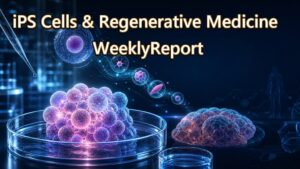
On July 17, 2026, the South Korean government announced a significant easing of regulations concerning advanced regenerative medicine that utilizes patients’ own immune cells, such as autologous Natural Killer (NK) cells. This regulatory change reclassifies the risk level for advanced regenerative medicine involving autologous immune cell cultures from ‘medium risk’ to ‘low risk,’ thereby eliminating the need for preliminary clinical research procedures that previously required several years to complete.
Technical / Clinical Details
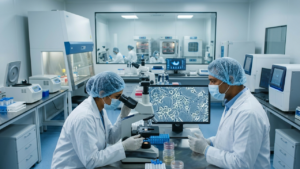
Previously, even autologous immune cell therapies in South Korea were subject to stringent preliminary clinical research requirements depending on their risk classification. However, with this deregulation, treatments, particularly those using autologous NK cells, are re-categorized as ‘low risk,’ allowing for more rapid clinical translation. NK cell therapy involves expanding and activating a patient’s own immune cells ex vivo, then reinfusing them to target cancer cells, characterized by relatively fewer side effects. The waiver of preliminary clinical research significantly shortens the lead time to trial initiation, enabling proven safe and effective therapies to reach patients faster. This change is particularly beneficial for patients suffering from rare and intractable diseases, dramatically improving their access to novel treatments.
Background & Context
The South Korean government has positioned regenerative medicine as a key growth industry for the next generation and is actively promoting its development. This regulatory easing is part of a review of the ‘Act on the Safety Management of Regenerative Medical Products and Advanced Biopharmaceuticals (Regenerative Medicine Act),’ enacted in 2019, aiming to balance innovation with patient access. Autologous cell therapies are generally considered to have lower safety concerns compared to allogeneic cells due to reduced immune rejection risks. This deregulation is expected to boost South Korean biotechnology companies, especially those developing NK cell therapies, by accelerating R&D, streamlining clinical trials, and facilitating earlier market entry. Internationally, as countries globally strive to optimize their regenerative medicine regulatory environments, South Korea’s move is noteworthy.
Strategic Significance & Outlook
With this regulatory easing, South Korea’s NK cell therapy market is projected to enter a phase of significant growth. The simplification and acceleration of the treatment process mean that more biotech ventures will find it easier to enter clinical development, fostering competition and accelerating technological innovation. Furthermore, domestic patients will gain earlier access to cutting-edge cell therapies that were previously difficult to obtain. In the long term, South Korea is expected to establish itself as a hub for regenerative medicine in Asia, enhancing its international competitiveness. This development may also influence the review of regenerative medicine regulations in other countries, setting a precedent for balancing innovation and patient safety.
Source: #
Get our weekly technology intelligence — free
Receive an infographic that lets you judge at a glance whether each field’s analysis report is worth reading.
Subscribe Free — Weekly Tech Intelligence
By subscribing, you’ll receive Troy-Technical’s weekly technology intelligence newsletter.
- Your email and selected fields are used only to deliver the newsletter.
- We never share your information with third parties.
- You can unsubscribe anytime via the link in each email.
See our Privacy Policy for details.
Takes about a minute · Unsubscribe anytime


Comments