
Key Findings
Advisory.com has published a comprehensive report on the rapid evolution of wearable data in healthcare and its transformative impact on patient care. The report meticulously discusses how real-time physiological data collected by wearable devices can become a powerful tool in preventive medicine, chronic disease management, and patient engagement. Simultaneously, it reveals key challenges, such as data quality, privacy, and interoperability, that must be addressed for effective integration of this data into medical practice.
Technical / Clinical Details
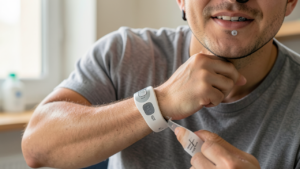
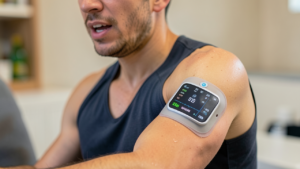
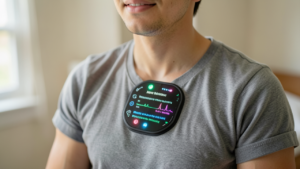
The report emphasizes that wearable devices like smartwatches, fitness trackers, and specialized smart patches can continuously monitor a wide range of biometric information, including heart rate, sleep patterns, activity levels, blood oxygen saturation, body temperature, and even advanced parameters like glucose levels and electrocardiograms (ECGs). This data can be utilized for early warnings of specific disease risks, monitoring treatment efficacy, and promoting patient behavior change. For instance, detecting irregular heart rate patterns can lead to early diagnosis of atrial fibrillation, while changes in activity levels or sleep quality might signal depression or stress. However, wearable device data comes with challenges such as sensor accuracy, user error in device placement, and noise from varying measurement environments. The report points to the critical role of machine learning algorithms and validation protocols in improving the reliability of this data.
Background & Context
As the shift towards digital health and personalized medicine accelerates, wearable technology has become an essential means for patients to actively participate in their own health management. For patients with chronic conditions and the elderly, in particular, continuous home monitoring can reduce the need for frequent hospital visits and potentially alleviate the burden on the overall healthcare system. Nevertheless, healthcare organizations face challenges in integrating patient-generated wearable data into existing Electronic Health Record (EHR) systems and extracting meaningful clinical insights. Data silos, security concerns, and regulatory requirements are cited as factors impeding large-scale adoption.Strategic Significance & Outlook
Advisory.com’s report concludes that wearable data will play an indispensable role in the future of healthcare. Further advancements in biosensor technology are expected to enable non-invasive monitoring of a broader range of highly accurate biomarkers (e.g., blood pressure, cortisol levels, specific disease-related proteins). Furthermore, AI-driven platforms are predicted to analyze wearable data and provide actionable insights to clinicians, thereby enhancing clinical decision-making. Success in this field hinges on data standardization among vendors, robust data security measures, and education for both healthcare professionals and patients. Wearable data will serve as a primary catalyst for transitioning towards a patient-centric, preventive healthcare system.
Source: https://www.advisory.com/daily-briefing/2026/07/14/wearable-data
Get our weekly technology intelligence — free
Receive an infographic that lets you judge at a glance whether each field’s analysis report is worth reading.
Subscribe Free — Weekly Tech Intelligence
By subscribing, you’ll receive Troy-Technical’s weekly technology intelligence newsletter.
- Your email and selected fields are used only to deliver the newsletter.
- We never share your information with third parties.
- You can unsubscribe anytime via the link in each email.
See our Privacy Policy for details.
Takes about a minute · Unsubscribe anytime





Comments