Key Findings
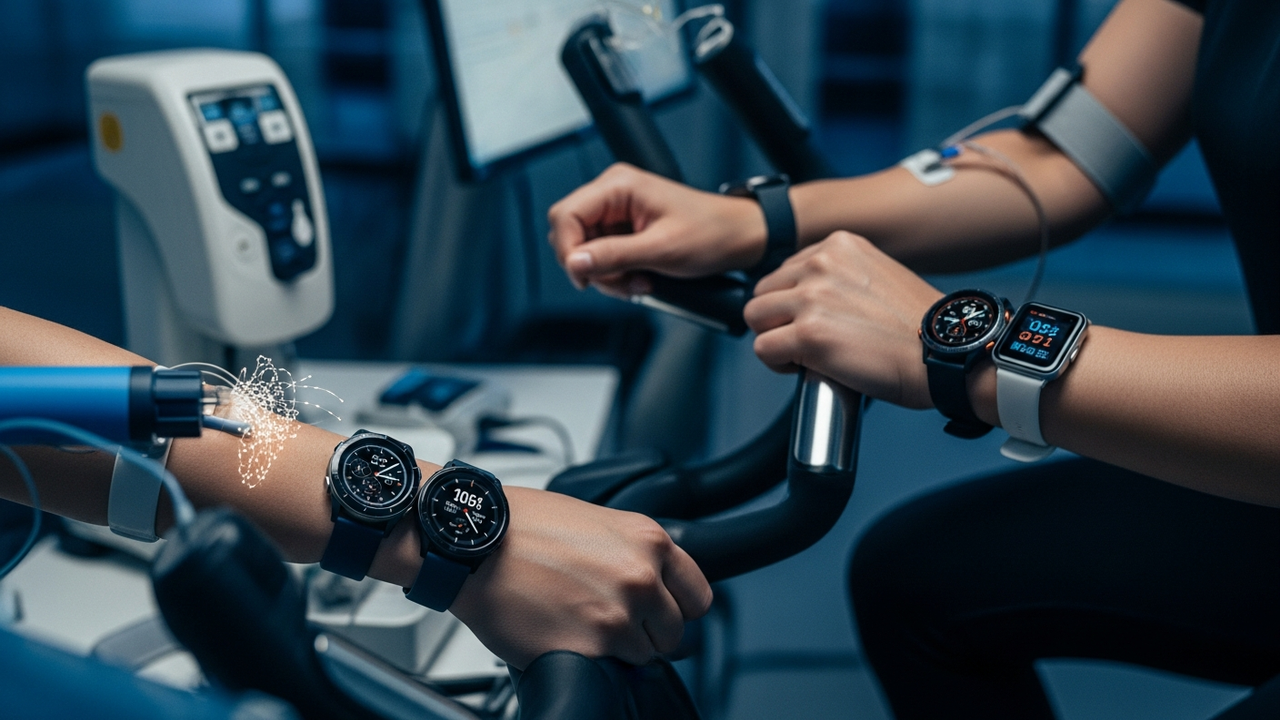
This comprehensive review delves into the efficacy, limitations, and real-world applications of consumer smartwatch technology within health and exercise performance research. The paper underscores the imperative for more rigorous validation processes and data standardization when utilizing data from these devices. Specifically, non-invasive glucose sensing technologies integrated into smartwatches remain in early developmental stages, currently falling short of the accuracy achieved by existing Continuous Glucose Monitoring (CGM) systems. The U.S. Food and Drug Administration (FDA) has not yet approved any smartwatch for direct glucose measurement. Key challenges identified include ensuring accuracy, mitigating sensor calibration degradation, and effectively integrating collected data into clinically meaningful health decisions.
Technical & Clinical Details
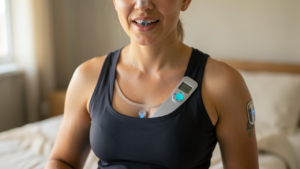
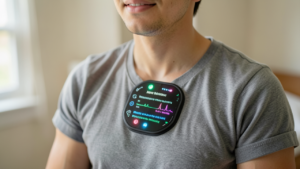
- Smartwatch Sensor Technology: Modern smartwatches incorporate various sensors to measure biometric data, including heart rate (PPG sensors), electrocardiogram (ECG), blood oxygen saturation (SpO2), sleep patterns, activity levels, and skin temperature. While these sensors are useful for general health tracking and fitness purposes, they often face challenges in achieving clinical diagnostic-level accuracy.
- Status of Non-Invasive Glucose Sensing: Non-invasive glucose measurement via smartwatches is considered a ‘holy grail’ by researchers and companies, but numerous technical barriers persist. Current attempts primarily involve near-infrared (NIR) spectroscopy, radiofrequency (RF) technology, and optical measurements. However, achieving stable high accuracy is extremely difficult due to the complexity of skin tissue, inter-individual variability, and environmental factors (e.g., temperature, humidity).
- Comparison with Continuous Glucose Monitoring (CGM) Systems: CGM systems provided by companies like Dexcom and Abbott measure interstitial glucose directly via subcutaneously inserted (or skin-worn) sensors, boasting high accuracy and reliability. Smartwatch non-invasive technologies have not yet reached this level, and regulatory bodies like the FDA impose strict approval processes.
- Need for Data Standardization and Validation: Data obtained from different smartwatch manufacturers often presents challenges in compatibility and comparability due to varying measurement algorithms and sensor characteristics. For research and clinical applications, standardization of this data and rigorous scientific validation (accuracy, reproducibility, reliability) are essential.
Background & Industry Context
Wearable technology has rapidly proliferated, driven by increasing consumer health awareness and advancements in digital health. Non-invasive and continuous physiological monitoring, in particular, holds significant potential for preventive medicine, chronic disease management, and fitness improvement. However, there are also risks associated with consumers making health decisions based on inaccurate information, and healthcare providers relying on unvalidated data. Regulatory bodies impose stringent standards for devices used for medical purposes, and smartwatches require further accumulation of scientific evidence to be widely accepted as clinical tools.Strategic Significance & Outlook
Non-invasive glucose measurement via smartwatches will continue to be a crucial area of research and development. If technological breakthroughs are achieved, it could not only dramatically improve the quality of life for diabetes patients but also have a significant impact on early detection of pre-diabetes and general health management. However, its realization requires advancements in sensor accuracy, refinement of AI-driven data analysis, development of personalized calibration methods, and the establishment of international regulatory standards. In the future, smartwatches are expected to evolve beyond mere fitness trackers into reliable personal health assistants, though this journey is fraught with many challenges.
Source: https://www.mdpi.com/1424-8220/26/14/4363
Get our weekly technology intelligence — free
Receive an infographic that lets you judge at a glance whether each field’s analysis report is worth reading.
Subscribe Free — Weekly Tech Intelligence
By subscribing, you’ll receive Troy-Technical’s weekly technology intelligence newsletter.
- Your email and selected fields are used only to deliver the newsletter.
- We never share your information with third parties.
- You can unsubscribe anytime via the link in each email.
See our Privacy Policy for details.
Takes about a minute · Unsubscribe anytime



Comments