Key Findings
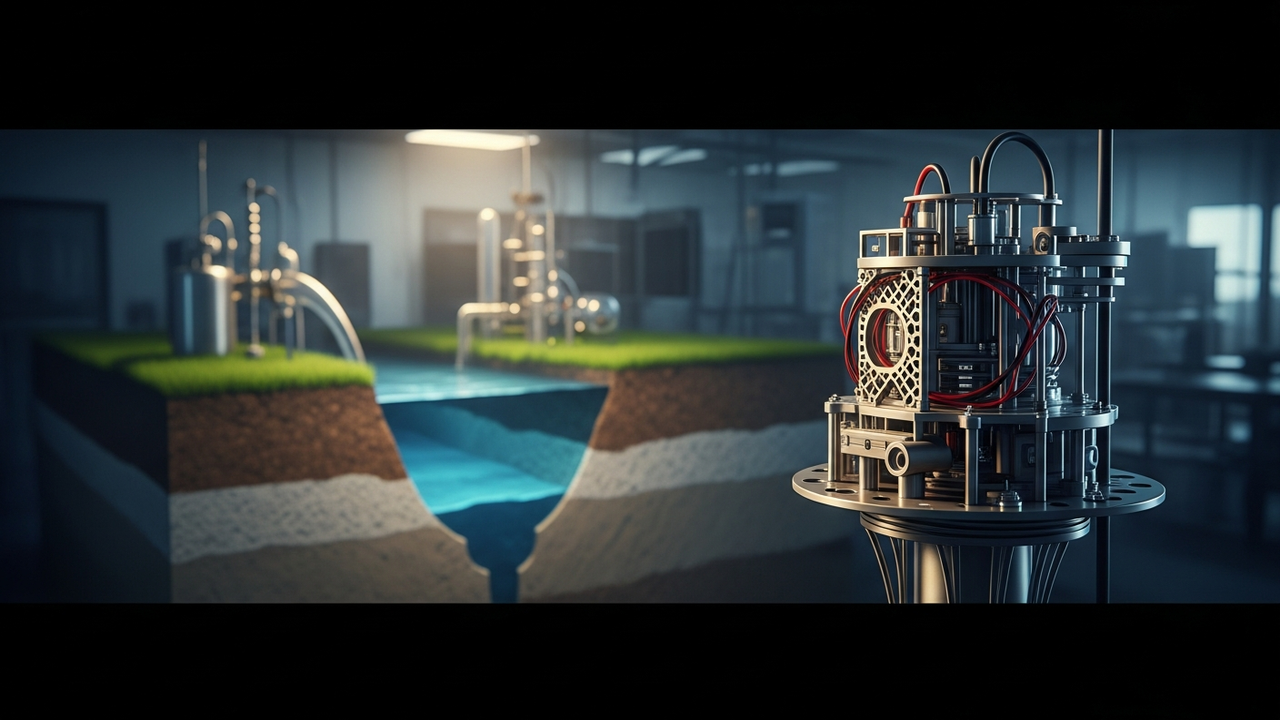
Researchers at Purdue University have successfully developed and utilized 3D printing technology to create open-source groundwater sensors, providing a significantly more cost-effective alternative to proprietary commercial devices. This innovative approach aims to democratize access to essential environmental monitoring tools, enabling broader data collection and improved resource management.
Technical / Clinical Details
The 3D-printed sensors are designed to accurately track groundwater flow and wirelessly transmit data, offering critical insights into subsurface hydrological processes. This project received funding from the USGS Next Generation Water Observing System, highlighting its national importance. The primary advantage of these sensors lies in their drastically reduced manufacturing cost compared to existing commercial options, making advanced monitoring more feasible for a wider array of users and applications. The open-source nature of the design ensures that researchers and communities worldwide can freely access, replicate, modify, and deploy the technology. Potential applications are extensive, including monitoring contaminated groundwater plumes, tracking regional water consumption, assessing the stability of building foundations and infrastructure, and evaluating the health of ecologically vital wetlands.
Background & Context
Groundwater is a vital resource, serving as a primary source of drinking water for many populations and playing a crucial role in ecosystems. However, its quantity and quality are increasingly threatened by climate change, industrial pollution, and unsustainable extraction practices. Current high-precision groundwater sensors are typically expensive, posing a significant barrier to widespread adoption, particularly in resource-constrained regions. This economic and technical barrier has historically limited the scope of comprehensive groundwater monitoring. Purdue University’s initiative directly addresses this challenge, aiming to enable more widespread data collection to support informed water resource management and environmental protection efforts globally.
Strategic Significance & Outlook
The introduction of open-source 3D-printed groundwater sensors has the potential to dramatically enhance the accessibility of environmental monitoring technology. The filing of a patent application specifically to ensure the design remains open-sourced is a strategic move to promote broad adoption and collaborative innovation. In the long term, this technology could be instrumental in improving global water resource management, particularly in developing nations and rural communities where expensive commercial solutions are prohibitive. Furthermore, the principles of this open-source approach could be extended to other environmental sensing applications and integrated with more advanced data analytics for smarter water management systems. This innovation is expected to foster a collaborative research environment and serve as a foundation for future advancements in accessible environmental sensing.
Get our weekly technology intelligence — free
Receive an infographic that lets you judge at a glance whether each field’s analysis report is worth reading.
Subscribe Free — Weekly Tech Intelligence
By subscribing, you’ll receive Troy-Technical’s weekly technology intelligence newsletter.
- Your email and selected fields are used only to deliver the newsletter.
- We never share your information with third parties.
- You can unsubscribe anytime via the link in each email.
See our Privacy Policy for details.
Takes about a minute · Unsubscribe anytime








Comments