Background
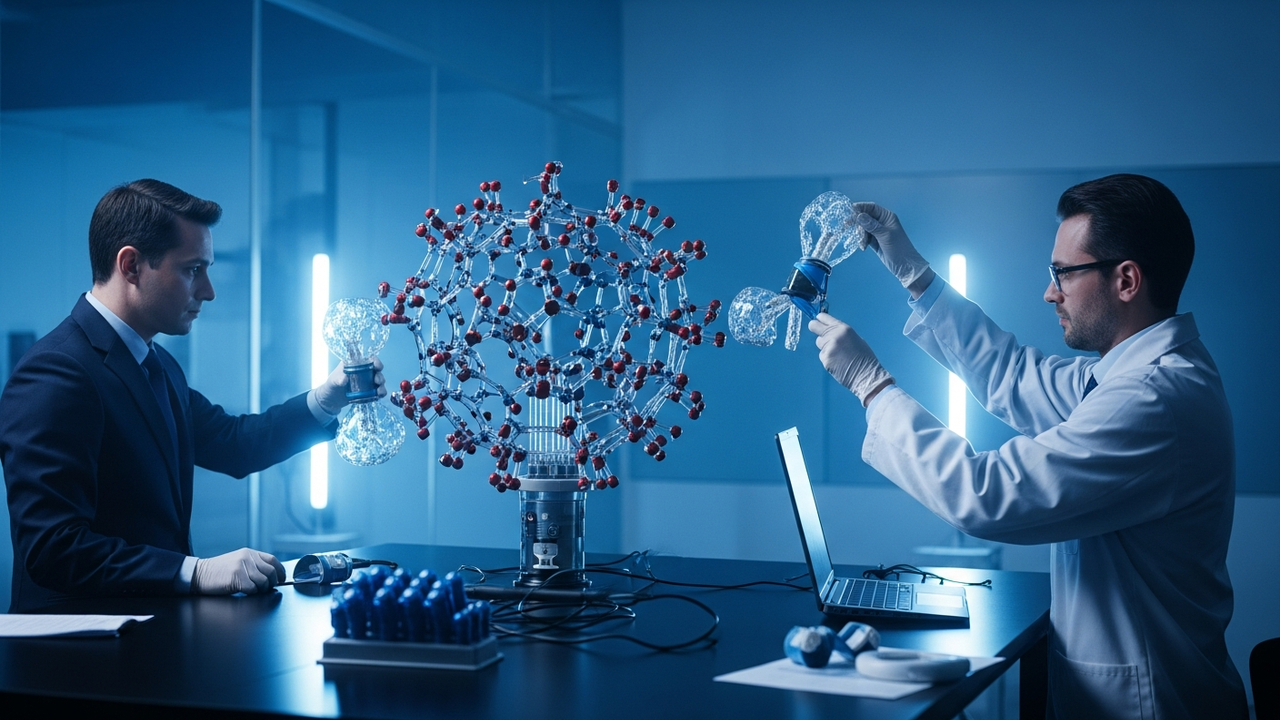
Historically, drug discovery has largely concentrated on inhibiting protein function. However, a significant number of disease-relevant proteins lack suitable binding pockets for conventional inhibitors, or inhibitors may simply fail to achieve adequate therapeutic efficacy. Targeted Protein Degradation (TPD) offers a revolutionary paradigm shift to address these ‘undruggable’ targets. The rapid evolution of high-throughput screening and AI-powered computational modeling has significantly accelerated the discovery and optimization of novel degrader candidates, vigorously propelling research and development in this burgeoning field.
Key Findings
The field of Targeted Protein Degradation (TPD) is at a pivotal juncture in 2026, marked by its evolution beyond first-generation PROTACs (Proteolysis-Targeting Chimeras) to encompass molecular glue degraders and innovative proximity-inducing therapeutics like degrader-antibody conjugates (DACs). A robust pipeline of late-stage clinical programs is rapidly nearing regulatory milestones, underscoring the imminent clinical translation of these advanced technologies. Concurrent breakthroughs in high-throughput screening and computational modeling have dramatically broadened the spectrum of degradable proteins, thereby diversifying TPD applications from oncology into critical areas such as immunology, neuroscience, and fibrosis.
TPD operates via a revolutionary mechanism that harnesses the cell’s endogenous ubiquitin-proteasome system to precisely degrade disease-implicated proteins. PROTACs, as bifunctional molecules, orchestrate the recruitment of a target protein to an E3 ubiquitin ligase, initiating ubiquitination and subsequent proteolytic degradation. Molecular glue degraders, conversely, forge new, atypical protein-protein interactions, which similarly trigger ubiquitination and degradation. Degrader-antibody conjugates (DACs) represent an extension of the Antibody-Drug Conjugate (ADC) paradigm, marrying the exquisite specificity of antibodies with the potent degradation machinery of small molecule degraders to enable cell-type-specific protein degradation. These profound technological strides are unlocking access to previously ‘undruggable’ targets and have demonstrated compelling efficacy in oncology, including hematologic malignancies, as well as neurodegenerative and autoimmune disorders. A notable success is Vepdegestrant, the first FDA-approved PROTAC, now authorized for ESR1-mutated advanced breast cancer.
TPD stands as one of the pharmaceutical industry’s most rapidly expanding domains, with its mounting clinical successes promising a wave of novel therapeutic agents. The advancement of numerous late-stage clinical programs toward regulatory clearance strongly suggests that the widespread practical application of TPD technology is imminent. Looking ahead, sophisticated TPD strategies, including conditional and cell-type-selective degradation, are anticipated to further refine therapeutic precision across a broad spectrum of diseases. This accelerating technological progress is not only expanding the frontiers of drug development but also offering renewed hope to patients grappling with previously intractable conditions.
Source: https://european-biotechnology.com/background/target-protein-degradation-review/
Get our weekly technology intelligence — free
Receive an infographic that lets you judge at a glance whether each field’s analysis report is worth reading.
Subscribe Free — Weekly Tech Intelligence
By subscribing, you’ll receive Troy-Technical’s weekly technology intelligence newsletter.
- Your email and selected fields are used only to deliver the newsletter.
- We never share your information with third parties.
- You can unsubscribe anytime via the link in each email.
See our Privacy Policy for details.
Takes about a minute · Unsubscribe anytime







Comments