Key Findings
California Governor Gavin Newsom has signed Senate Bill 1350 (SB 1350) into law, formally designating electricity generated from green hydrogen as a renewable energy source under the state’s Renewable Portfolio Standard (RPS). This landmark legislative action clarifies green hydrogen’s role in accelerating California’s clean energy transition and provides robust financial incentives for related projects.
Technical Details
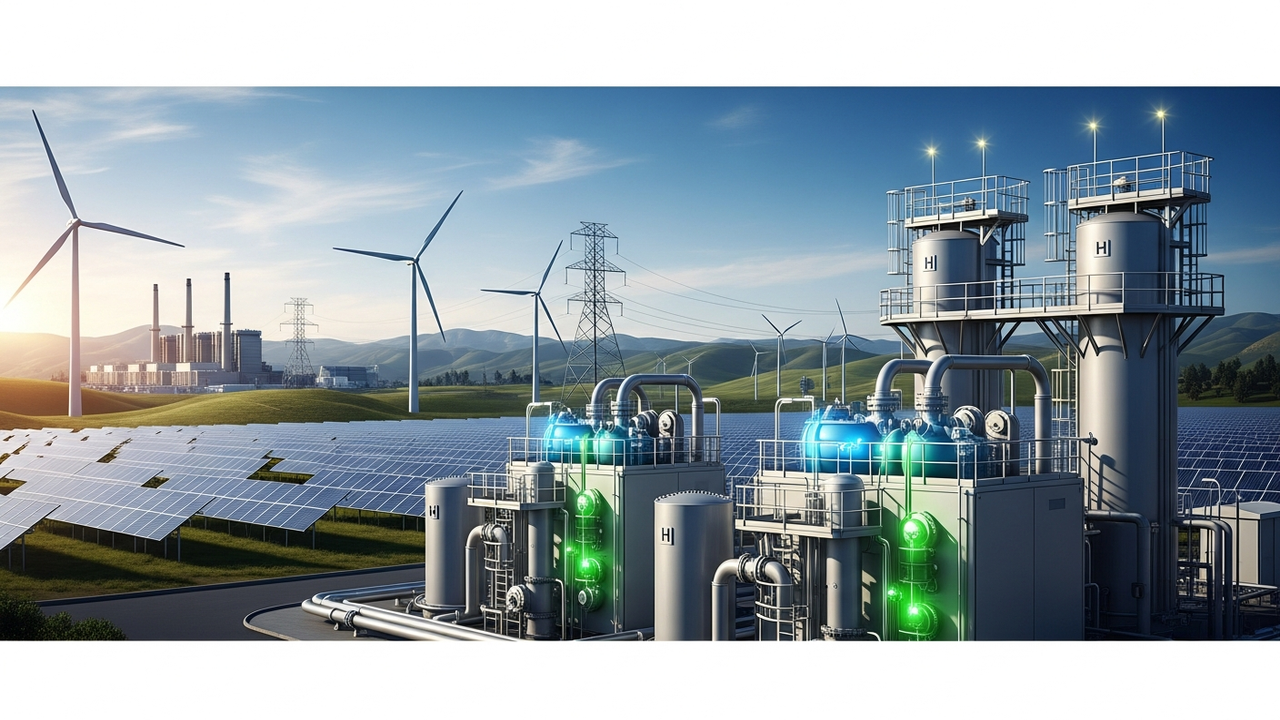
Under SB 1350, green hydrogen produced via electrolysis and powered by renewable energy sources will be considered eligible renewable energy within the RPS framework. This means that power plants fueled by green hydrogen, as well as facilities that store hydrogen for grid stabilization, can contribute to RPS targets, thereby qualifying for state financial incentives and preferential treatment. The bill is specifically expected to directly support and accelerate green hydrogen adoption in existing and new hydrogen-related projects, such as the modernization project at the Lodi Energy Center and the Lancaster Clean Energy Center.
Background and Industry Context
California is one of the most ambitious states in the U.S. regarding climate change goals, aiming for 100% clean electricity by 2045. While the deployment of renewable energy sources is advancing, flexible power generation and large-scale energy storage solutions are crucial to address the intermittency of solar and wind power. Green hydrogen has emerged as a promising option to resolve this challenge through the ‘Power-to-Gas-to-Power’ cycle, which stores excess renewable energy and generates electricity when needed. Against this backdrop, the new bill aims to promote infrastructure investment in green hydrogen and enhance the state’s energy security and stability.
Strategic Significance and Outlook
The enactment of SB 1350 will significantly boost the development of California’s hydrogen economy. RPS certification sends a strong signal to investors and developers, reducing financial risks for green hydrogen projects and stimulating the creation of new ones. This is expected to accelerate the development of green hydrogen production capacity and associated infrastructure (pipelines, storage, refueling stations) within the state. In the long term, California will serve as a pioneering model region for widespread hydrogen utilization across the transportation, industrial, and power sectors, offering a valuable case study for other states and nations.
Get our weekly technology intelligence — free
Receive an infographic that lets you judge at a glance whether each field’s analysis report is worth reading.
Subscribe Free — Weekly Tech Intelligence
By subscribing, you’ll receive Troy-Technical’s weekly technology intelligence newsletter.
- Your email and selected fields are used only to deliver the newsletter.
- We never share your information with third parties.
- You can unsubscribe anytime via the link in each email.
See our Privacy Policy for details.
Takes about a minute · Unsubscribe anytime






Comments