Key Findings
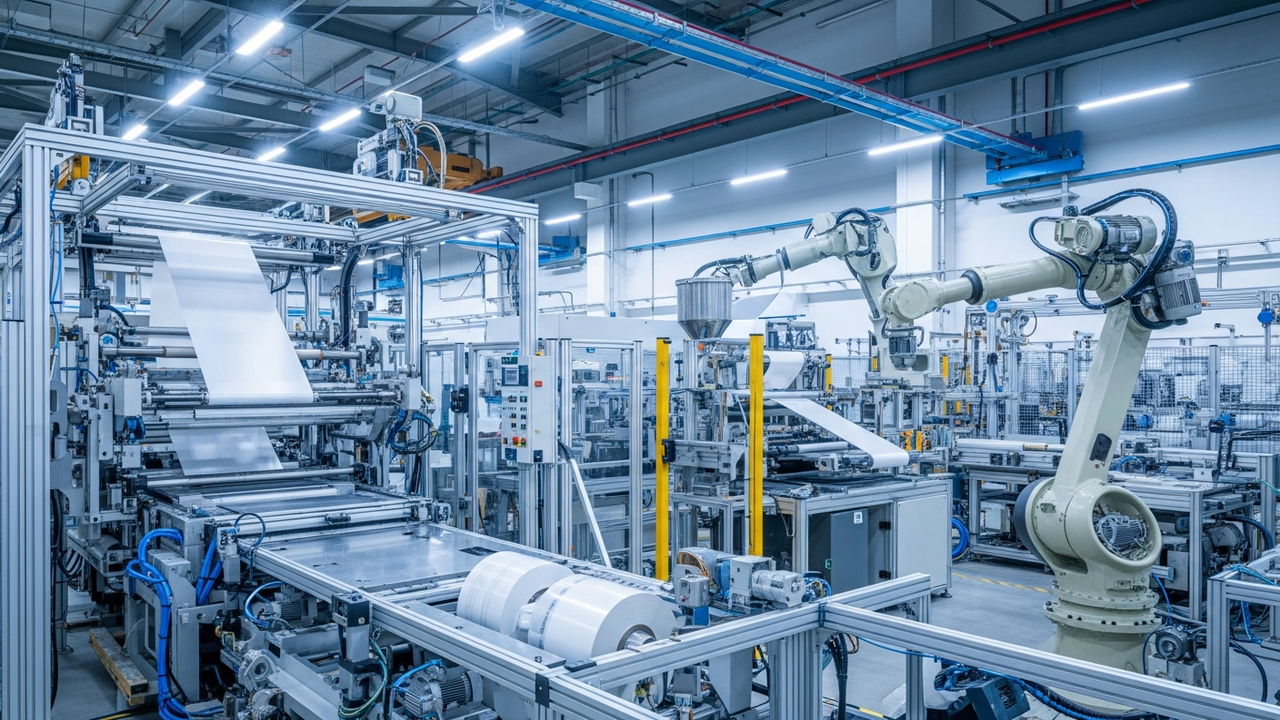
The Reserve Bank of India (RBI) has initiated a global Expression of Interest (EOI) for the establishment of a manufacturing facility for security-grade polymer substrates, signaling its intent to introduce plastic banknotes. This strategic shift is designed to dramatically enhance the durability of currency notes by an estimated 2.5 times compared to existing paper notes, while simultaneously bolstering anti-counterfeiting measures. The RBI’s move aims to mitigate the substantial costs associated with printing and frequently replacing worn-out paper currency, with initial pilot programs focusing on lower denominations (₹10 and ₹20 notes).
Technical / Clinical Details
The plastic banknotes envisioned by the RBI will be constructed from specialized polymer substrates. These substrates integrate advanced security features, such as intricate security inks, holograms, and microprinting, to achieve both exceptional durability and superior resistance to counterfeiting. The enhanced resilience of polymer notes makes them highly resistant to moisture, dirt, and general wear and tear, a critical advantage in diverse climatic conditions and high-circulation environments like India. While traditional cotton-based paper notes typically have a lifespan of approximately 1.5 years, polymer banknotes are expected to endure for nearly 4 years on average. This extended lifespan promises significant benefits in terms of reducing both the environmental footprint and economic costs associated with printing, transportation, and disposal. The initial pilot phase will target ₹10 and ₹20 notes to evaluate their practical performance and public acceptance.
Background & Context
Central banks globally have been actively pursuing solutions to enhance banknote security and durability, with many nations, including Australia, Canada, and the United Kingdom, having already adopted polymer currency. India, despite its rapid economic growth and increasing digital payment adoption, still relies heavily on cash transactions, leading to significant challenges with currency degradation and associated replacement costs. Lower denomination notes, due to their high circulation frequency, are particularly susceptible to rapid deterioration, making their polymer conversion highly advantageous. The RBI’s initiative extends beyond a mere material change; it represents a national-level infrastructure investment aimed at streamlining the currency system and fortifying its security.
Strategic Significance & Outlook
The establishment of a polymer substrate manufacturing facility within India is expected to stimulate new demand for advanced polymer materials and accelerate the development of related technologies. A successful pilot program could pave the way for expanding polymer notes to higher denominations, potentially having widespread impacts across the Indian economy. This endeavor could serve as a model for how technological innovation can enhance the quality of public services (currency provision), inspiring similar projects in other emerging economies. For investors, companies specializing in security printing technologies, advanced polymer materials, and associated manufacturing machinery represent key targets for attention. Furthermore, the improved durability of currency contributes to long-term cost savings and economic stability, making its trajectory a point of interest from a macroeconomic perspective.
Source: https://www.theweek.in/news/biz-tech/2026/07/17/rbi-plastic-banknotes-eoi-currency-polymer.html
Get our weekly technology intelligence — free
Receive an infographic that lets you judge at a glance whether each field’s analysis report is worth reading.
Subscribe Free — Weekly Tech Intelligence
By subscribing, you’ll receive Troy-Technical’s weekly technology intelligence newsletter.
- Your email and selected fields are used only to deliver the newsletter.
- We never share your information with third parties.
- You can unsubscribe anytime via the link in each email.
See our Privacy Policy for details.
Takes about a minute · Unsubscribe anytime








Comments