
Key Findings
Stem cell therapies are undergoing a significant transformation towards clinical application, driven by remarkable advancements in iPS cell technology, gene editing, bioengineering, and scalable manufacturing techniques. As of December 2024, 115 global clinical trials involving 83 types of pluripotent stem cell therapies have treated over 1,200 patients without significant safety issues. This robust safety profile provides a strong impetus for continued development and broader adoption of these innovative treatments.
Technical and Clinical Details
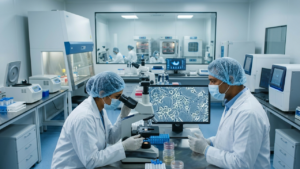
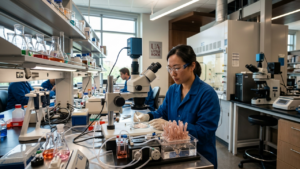
At the forefront of research and development, 3D bioprinting technology is enabling the creation of complex organoid structures, establishing itself as a revolutionary tool for disease modeling and drug discovery. Organoids are increasingly utilized in studying conditions such as autism spectrum disorder, schizophrenia, and cardiac diseases, offering physiologically relevant insights that were impossible with traditional 2D cultures. Furthermore, improvements in automation and quality control in cell manufacturing are critical for ensuring consistent and safe cell therapy products, paving the way for large-scale commercial production. The integration of gene editing not only enhances therapeutic efficacy but also addresses immunogenicity issues, expanding the potential of allogeneic cell therapies.
Background and Industry Context
Since its inception, stem cell therapy has been heralded as a field with infinite possibilities, yet ethical concerns, technical hurdles, and safety questions have often impeded its progress. However, recent profound advancements in basic research and manufacturing innovation are steadily overcoming these barriers. The accumulation of patient safety data from clinical trials is particularly crucial for gaining regulatory trust. The pharmaceutical and biotechnology industries are keenly focused on the vast potential market size of this new therapeutic modality, investing heavily in research and development. This strategic focus anticipates addressing a wide range of unmet medical needs, from rare diseases to common chronic conditions.
Future Outlook
Looking ahead, stem cell therapies are expected to see expanded clinical trials across more disease areas, yielding an even richer body of efficacy and safety data. The convergence of regenerative medicine, gene therapy, and cell therapy holds promise for deeper, more fundamental interventions into disease mechanisms. Development of scalable manufacturing platforms and improvements in cost efficiency will directly lead to reduced treatment costs and enhanced patient access, making stem cell therapies a more accessible form of medicine. Ultimately, these advances are poised to establish stem cell therapies as a central pillar of future healthcare, enabling artificial organ realization and functional regenerative medicine.
Get our weekly technology intelligence — free
Receive an infographic that lets you judge at a glance whether each field’s analysis report is worth reading.
Subscribe Free — Weekly Tech Intelligence
By subscribing, you’ll receive Troy-Technical’s weekly technology intelligence newsletter.
- Your email and selected fields are used only to deliver the newsletter.
- We never share your information with third parties.
- You can unsubscribe anytime via the link in each email.
See our Privacy Policy for details.
Takes about a minute · Unsubscribe anytime





Comments