Key Findings
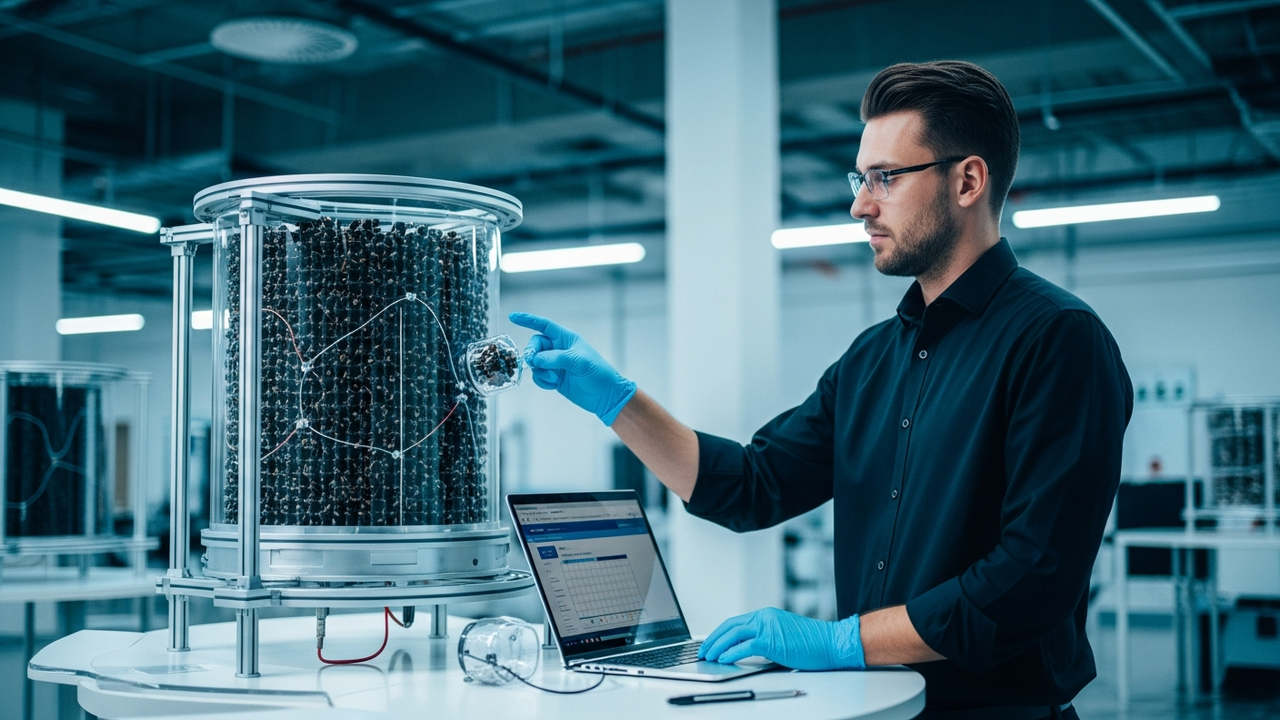
Stony Brook University and SWFT Labs have expanded their partnership through a Master Research Agreement aimed at accelerating the commercialization of sustainable cellulose nanomaterials. This collaboration leverages the patented Nitro-Oxidation Process (NOP) to enable scalable production of highly functional carboxylated cellulosic nanofibers (CNF) from cellulose, poised to replace petroleum-derived plastics and other materials and contribute significantly to environmental problem-solving.
Technical / Clinical Details
The NOP is a more efficient and environmentally friendly process compared to conventional methods for producing cellulose nanofibers. CNFs manufactured via this process possess high surface area, superior mechanical strength, and tunable surface chemistry, making them versatile high-performance functional materials across various application sectors. Specifically, these CNFs can be utilized in plastic packaging, composite materials, paints, adhesives, and even as adsorbents for contaminants like PFAS in water treatment. Their multifunctional and sustainable nature is crucial for reducing the environmental footprint throughout the product lifecycle. The initial phase of commercialization focuses on agricultural applications, such as soil amendments and biodegradable pesticide carriers.
Background & Context
As plastic pollution and reliance on fossil fuels become critical global environmental issues, the demand for bio-based alternative materials is soaring. Cellulose nanomaterials, owing to their abundance, renewability, and biodegradability, are recognized as promising solutions to these challenges. However, establishing large-scale, cost-effective manufacturing methods has been a bottleneck for commercialization. The partnership between Stony Brook University and SWFT Labs addresses this bottleneck, accelerating the market entry of CNFs. This initiative supports the transition to a circular economy and contributes to the advancement of sustainable materials science.
Strategic Significance & Outlook
This expanded partnership lays the groundwork for cellulose nanomaterials to provide innovative solutions across a wide range of industrial sectors. Initial success in agriculture is expected to catalyze applications in other high-value markets, including food packaging, automotive components, and construction materials. Moving forward, SWFT Labs is anticipated to further optimize the NOP technology and expand CNF production capacity, significantly contributing to the supply of sustainable materials in global supply chains. This technology marks a crucial step towards reducing environmental footprints, efficient resource utilization, and building a more sustainable future.
Source: https://www.stonybrook.edu/ipp/news/3.18.26-sbu-swftlabs-expand-partnership.html
Get our weekly technology intelligence — free
Receive an infographic that lets you judge at a glance whether each field’s analysis report is worth reading.
Subscribe Free — Weekly Tech Intelligence
By subscribing, you’ll receive Troy-Technical’s weekly technology intelligence newsletter.
- Your email and selected fields are used only to deliver the newsletter.
- We never share your information with third parties.
- You can unsubscribe anytime via the link in each email.
See our Privacy Policy for details.
Takes about a minute · Unsubscribe anytime






Comments