Key Findings
The TIDES USA 2026 summit centered on the latest innovations in oligonucleotide Chemistry, Manufacturing, and Controls (CMC). Participants focused on advancements in process, analytical, and CMC strategies deemed critical for successful clinical development and commercialization. The event aimed to identify and provide practical solutions to key bottlenecks in the development of oligonucleotide therapeutics.
Technical / Clinical Details
Oligonucleotides, serving as the foundation for nucleic acid drugs like antisense oligonucleotides (ASOs), siRNAs, and miRNAs, have garnered rapid attention for their ability to intervene in diseases at the genetic level. However, their complex chemical structures and stringent purity requirements present unique manufacturing challenges. Key technological innovations and strategies highlighted at the summit included:
- High-Quality Nucleoside Building Blocks: Ensuring the purity and quality of nucleoside building blocks, the starting materials for oligonucleotide synthesis, is directly linked to the final product’s quality. New synthetic pathways and purification techniques were presented.
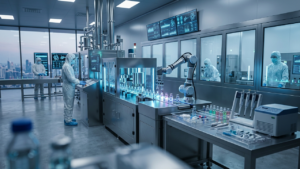
- Advanced Nucleoside Synthesis Technologies: Developing more efficient and environmentally friendly synthetic methods is crucial for cost reduction and scaling up production. Examples include flow chemistry and automated synthesis platforms.
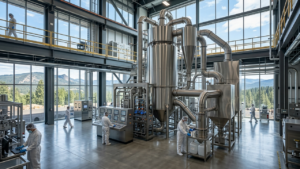
- Enzymatic and Hybrid Manufacturing Platforms: Beyond traditional solid-phase synthesis, enzymatic synthesis and hybrid approaches combining chemical and enzymatic methods are gaining traction. Enzymatic synthesis offers higher selectivity, yield, and reduced environmental impact, especially suitable for long, complex oligonucleotides.
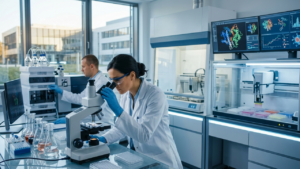
- Efficient Analytical and CMC Strategies: Advanced analytical methods and CMC strategies were shared to meet stringent quality control standards, including impurity profiling, stability assessments, and confirmation of biological activity.
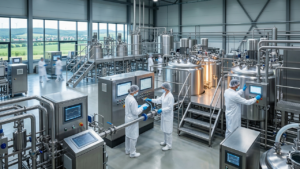
Leading pharmaceutical companies (pharma) and contract development and manufacturing organizations (CDMOs) shared practical approaches to overcome these early CMC bottlenecks and scale up oligonucleotide production for clinical and commercial needs. This is expected to accelerate the market entry of new nucleic acid drugs.
Background & Context
Oligonucleotide therapeutics have rapidly advanced over the last few decades as groundbreaking treatments for previously intractable diseases, including genetic disorders, neurodegenerative conditions, and cancer. However, the transition from lab-scale synthesis to clinical trials and commercial production involves significant technical and regulatory CMC challenges. Addressing these challenges is essential to fully realize the potential of this promising modality.
Strategic Significance & Outlook
The CMC innovations discussed at TIDES USA 2026 are critically important for shaping the future of oligonucleotide therapeutics. As manufacturing costs are reduced, production efficiencies improved, and quality assurance strengthened, more nucleic acid drugs will be brought to market and made available to patients at more affordable prices. The widespread adoption of new manufacturing technologies, such as enzymatic synthesis, is expected to enhance the sustainability and scalability of oligonucleotide production, resolving drug development bottlenecks and further accelerating growth in this field.
Source: https://informaconnect.com/tides/oligonucleotide-chemistry-manufacturing-controls/
Get our weekly technology intelligence — free
Receive an infographic that lets you judge at a glance whether each field’s analysis report is worth reading.
Subscribe Free — Weekly Tech Intelligence
By subscribing, you’ll receive Troy-Technical’s weekly technology intelligence newsletter.
- Your email and selected fields are used only to deliver the newsletter.
- We never share your information with third parties.
- You can unsubscribe anytime via the link in each email.
See our Privacy Policy for details.
Takes about a minute · Unsubscribe anytime


Comments