
Key Findings
The UK government has announced a significant allocation of £7.3 million (approximately $9.4 million USD) to eight innovative projects dedicated to developing and testing infrastructure for hydrogen-powered and electric aircraft. This substantial national investment is aimed at vigorously supporting the transition to zero-emission flight, cementing the UK’s ambition to be a leader in sustainable aviation. The funding will specifically target enhancements in electric charging facilities and advanced hydrogen storage technologies at UK airports, with key participation from companies such as Beta Technology and Vertical Aerospace.
Technical / Clinical Details
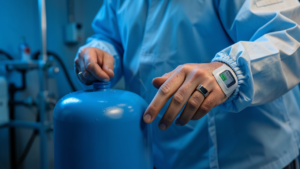
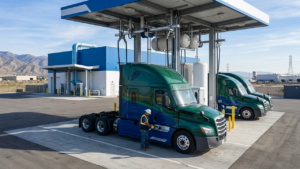
The projects receiving funding encompass a range of critical developments, including the application of advanced battery technology for rapid charging systems at airports and the creation of efficient and safe liquid and compressed hydrogen storage and dispensing solutions. For instance, companies like Beta Technology are expected to contribute to high-performance charging technologies for electric aircraft, while Vertical Aerospace is involved in developing the necessary hydrogen refueling infrastructure for next-generation electric vertical take-off and landing (eVTOL) aircraft. These technological advancements aim to reduce aircraft refueling times, lower operational costs, and enhance safety and reliability. Furthermore, the Civil Aviation Authority (CAA) conducted its “Hydrogen Challenge,” publishing detailed findings on regulatory frameworks, risk assessments, and operational procedures for safely handling hydrogen as an aviation fuel, thereby sharing industry challenges and progress.
Background & Context
The global aviation industry has set an ambitious target of achieving net-zero emissions by 2050 as part of its commitment to combating climate change. Hydrogen and electric propulsion are widely regarded as the primary alternative fuel solutions for reaching this goal. The UK is actively fostering innovation in aviation and positions itself as a hub for clean aviation technology development. This government investment is expected to catalyze the upgrade of existing airport infrastructure to accommodate future zero-emission aircraft, while also contributing to job creation and economic growth. Crucially, the proactive engagement of the CAA in addressing hydrogen fuel safety issues early on is vital for paving the way to practical implementation alongside technological development.
Strategic Significance & Outlook
The UK government’s £7.3 million funding will serve as a significant catalyst in accelerating the commercialization of hydrogen-powered and electric aircraft. Successful outcomes from these projects could enable the UK aviation industry to establish a global competitive advantage in the design, manufacturing, and operation of zero-emission flight technologies. In the future, the establishment of comprehensive hydrogen supply networks at airports and the widespread adoption of hydrogen refueling stations will make the decarbonization of short- and medium-haul routes a tangible reality. This investment represents a concrete step for the UK to shape the future of the aviation industry and contribute meaningfully to global climate action, with expected far-reaching impacts across the worldwide aviation sector.
Source: https://www.gov.uk/government/news/over-7-million-to-fuel-zero-emission-flight-across-the-uk
Get our weekly technology intelligence — free
Receive an infographic that lets you judge at a glance whether each field’s analysis report is worth reading.
Subscribe Free — Weekly Tech Intelligence
By subscribing, you’ll receive Troy-Technical’s weekly technology intelligence newsletter.
- Your email and selected fields are used only to deliver the newsletter.
- We never share your information with third parties.
- You can unsubscribe anytime via the link in each email.
See our Privacy Policy for details.
Takes about a minute · Unsubscribe anytime







Comments