Key Findings
Reinste’s published guide unequivocally demonstrates that hexagonal boron nitride (hBN) is poised to revolutionize thermal management in LED lighting systems. Leveraging its superior thermal conductivity and excellent electrical insulation, hBN significantly enhances LED efficiency and reliability. It is highlighted as an ideal material for dissipating heat efficiently from sensitive electronic components.
Technical / Clinical Details
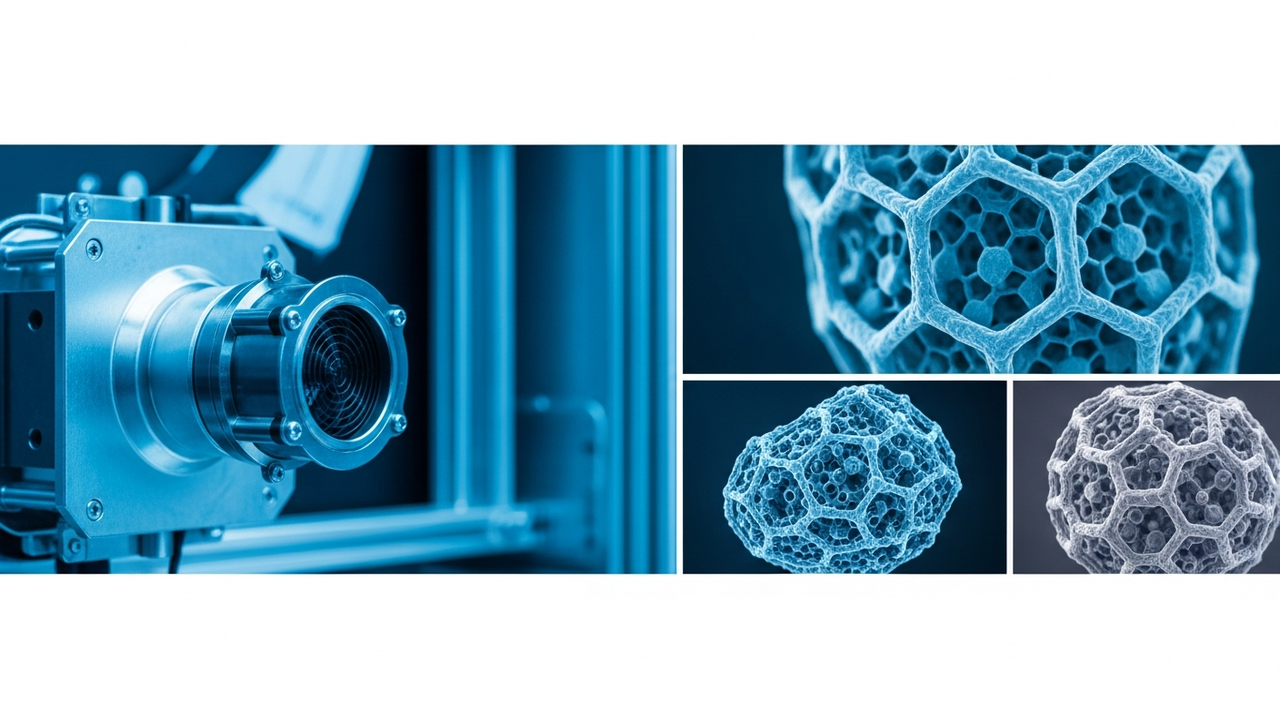
hBN is a unique nanomaterial that combines exceptionally high thermal conductivity, second only to diamond, with outstanding electrical insulation, chemical inertness, and high-temperature stability. In LED devices, efficient heat removal is crucial for maintaining light output, lifespan, and overall reliability. When utilized particularly as a Thermal Interface Material (TIM), hBN effectively reduces the thermal resistance between the LED chip and the heatsink, thereby maximizing heat transfer efficiency. This leads to effective management of the LED’s junction temperature, inhibiting degradation and consequently contributing to extended device lifespan and sustained performance. In industrial applications, hBN-filled polymer composites and thermal greases have already been developed and are in practical use, underscoring its proven capabilities.
Background & Context
High-power LEDs have rapidly gained market dominance in lighting due to their superior energy efficiency and long operational life. However, a significant portion of the energy consumed by LEDs is dissipated as heat, and without proper thermal management, this leads to reduced light output, color shift, and premature device failure. Traditional thermal management materials have reached their performance limits, creating a demand for more advanced solutions. hBN has emerged to meet these requirements, and its multifunctional properties are expanding its potential beyond LEDs to high-performance semiconductors, power electronics, and even aerospace applications.
Strategic Significance & Outlook
The prospects for hBN in thermal management are vast, with future research and development focusing on reducing manufacturing costs, optimizing integration techniques for diverse materials, and exploring new application frontiers. As smaller, more powerful devices like flexible electronics and wearable technology become ubiquitous, the demand for advanced thermal management materials such as hBN is expected to surge. This will push the performance boundaries of electronic devices, contributing significantly to sustainable and energy-efficient technological innovation globally.
Get our weekly technology intelligence — free
Receive an infographic that lets you judge at a glance whether each field’s analysis report is worth reading.
Subscribe Free — Weekly Tech Intelligence
By subscribing, you’ll receive Troy-Technical’s weekly technology intelligence newsletter.
- Your email and selected fields are used only to deliver the newsletter.
- We never share your information with third parties.
- You can unsubscribe anytime via the link in each email.
See our Privacy Policy for details.
Takes about a minute · Unsubscribe anytime