Key Findings
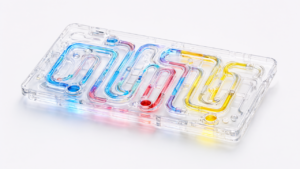
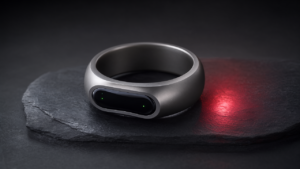
An open-access review published in the journal ‘Lab on a Chip’ provides a comprehensive overview of the transformative advancements in integrating microfluidic systems into wearable biosensors. This research specifically details the design principles, optimal material selections, and efficient fabrication methods required for microfluidic devices that enable real-time, non-invasive acquisition of physiological data from various biofluids, including sweat, saliva, tears, and interstitial fluid. A significant emphasis is placed on the emerging trends of artificial intelligence (AI) integration and design automation, which are anticipated to dramatically enhance the precision and practical utility of future wearable diagnostic technologies.
Technical / Clinical Details
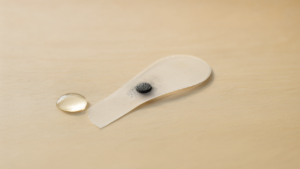
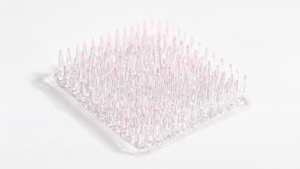
Microfluidic systems, which precisely manipulate minute volumes of liquids within micro-channels, are indispensable for wearable biosensors to seamlessly perform biofluid collection, transport, pre-treatment, and subsequent analysis. The review elaborates on fabrication techniques such as soft lithography, 3D printing, and laser ablation, demonstrating their application in creating devices from flexible, biocompatible materials like polydimethylsiloxane (PDMS) and hydrogels. These wearable devices are designed for direct skin application, continuously collecting biofluids—such as sweat from eccrine glands or saliva from the oral cavity—to detect crucial biomarkers including glucose, lactate, electrolytes, and even specific proteins or nucleic acids. By integrating AI algorithms into the analytical layer, the vast amounts of raw sensor data can be processed in real-time, enabling noise reduction, pattern recognition, and mapping to disease diagnostic models, thereby yielding more reliable diagnostic outcomes.
Background & Context
Wearable biosensors have seen rapid proliferation in continuous monitoring of chronic diseases, optimization of athletic performance, and general personal health management. However, conventional sensors have faced challenges such as inefficient biofluid collection, risks of sample contamination, and limitations to single-biomarker detection. Microfluidics offers a key solution to overcome these hurdles, providing multiplex diagnostic capabilities for simultaneous and accurate measurement of multiple biomarkers. The non-invasive nature of these devices significantly enhances user comfort, promoting long-term adherence. The integration of AI is critical for handling the immense volume and complexity of collected data, extracting clinically meaningful information, and reinforcing the role of wearables in the future of digital healthcare.
Strategic Significance & Outlook
The convergence of microfluidics and AI in wearable biosensors is set to accelerate the realization of personalized medicine. In the future, these devices are expected to become powerful tools for detecting early signs of disease, offering personalized therapeutic recommendations, and advancing preventive healthcare. The introduction of design automation will shorten the development cycle for custom biosensors tailored to specific applications, potentially accelerating market entry. This will enable advanced diagnostics and monitoring not only in traditional clinical settings but also at home and in remote locations, dramatically improving healthcare access and efficiency worldwide. The global market for wearable biosensors, valued at $31.6 billion in 2024, is projected to reach $66.2 billion by 2034, underscoring the substantial economic and clinical impact of these innovations.
Source: https://pubs.rsc.org/zh-hans/content/articlepdf/2026/lc/d5lc00628g
Get our weekly technology intelligence — free
Receive an infographic that lets you judge at a glance whether each field’s analysis report is worth reading.
Subscribe Free — Weekly Tech Intelligence
By subscribing, you’ll receive Troy-Technical’s weekly technology intelligence newsletter.
- Your email and selected fields are used only to deliver the newsletter.
- We never share your information with third parties.
- You can unsubscribe anytime via the link in each email.
See our Privacy Policy for details.
Takes about a minute · Unsubscribe anytime