Key Findings
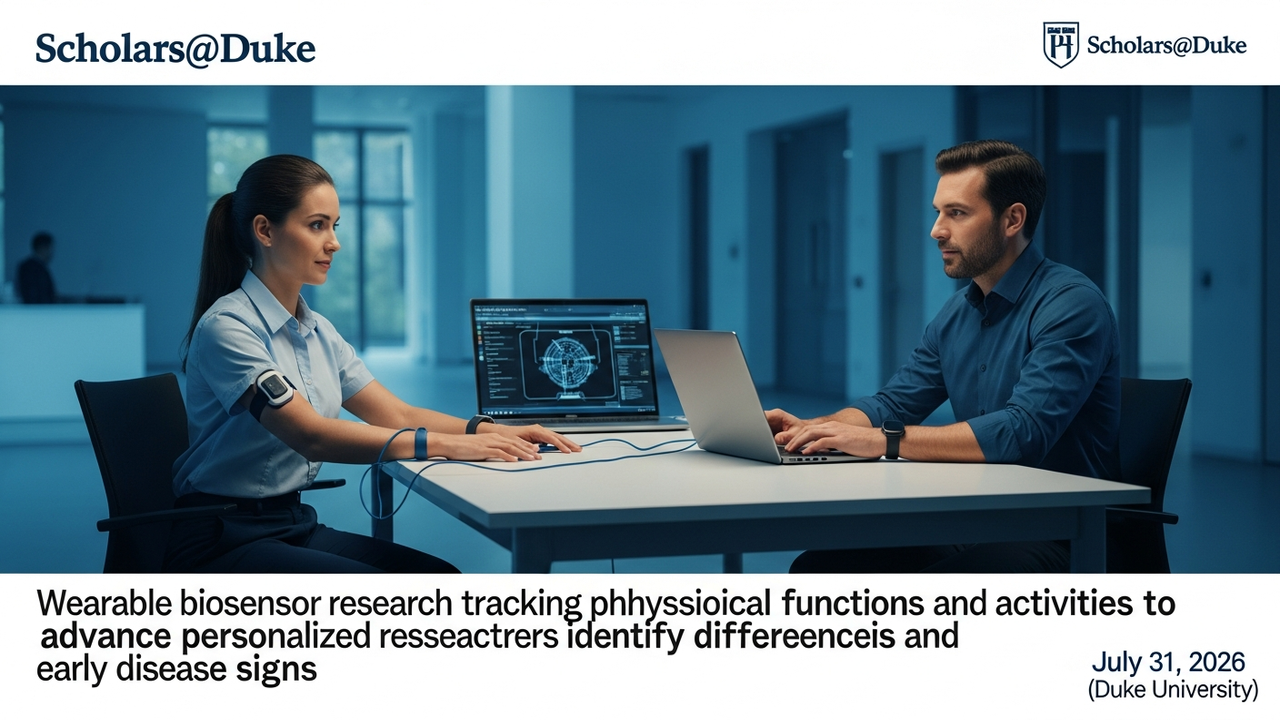
A recent presentation by researchers at Duke University highlights that continuous tracking of physiomes and activity using wearable biosensors provides invaluable new health-related information. Through extensive analysis of daily physiological measurements from over 250,000 individuals, the study identified personalized circadian differences in physiological parameters. Notably, the research uncovered significant physiological changes under specific environmental and disease contexts, such as a marked decrease in oxygen saturation during flights and early indicators of Lyme disease. These findings suggest the development of a personalized, activity-based normalization framework capable of detecting anomalous physiological signals and facilitating earlier disease detection.
Technical / Clinical Details
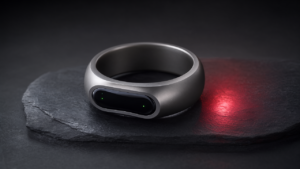
The study leveraged continuous data collected from a wide array of commercial wearable biosensors, including smartwatches and fitness trackers, encompassing metrics such as heart rate, activity levels, sleep patterns, skin temperature, and oxygen saturation. Advanced data science and machine learning algorithms were applied to this voluminous dataset to establish individualized physiological baselines and their diurnal variations (circadian rhythms). Deviations from these baselines were then identified as anomalous physiological events. For instance, the transient drop in oxygen saturation observed during flights accurately captured the body’s response to altitude changes, with potential applications for monitoring aviators or individuals at risk of acute mountain sickness. The ability to detect subtle physiological changes indicative of early Lyme disease, even before the onset of overt symptoms, suggests a pathway for ultra-early diagnosis of infectious diseases, potentially enabling earlier intervention.
Background & Context
Digital health and wearable technologies are accelerating the shift towards a patient-centric healthcare model. Traditional medical approaches typically offer only limited, snapshot-like data during periodic clinical visits. In contrast, wearable biosensors enable continuous, non-invasive tracking of physiological changes within the patient’s daily life. This opens new frontiers in preventive medicine, including early disease detection, optimized chronic disease management, and personalized lifestyle intervention support. However, interpreting the vast amounts of data generated by wearables necessitates sophisticated analytical methods that account for individual variability and environmental factors. This research addresses this challenge by providing a critical approach to enhance the clinical significance of wearable data through establishing personalized baselines.
Strategic Significance & Outlook
The personalized, activity-based normalization framework established by this study holds significant potential to enhance the clinical utility of wearable biosensors. In the future, these frameworks are expected to be deployed as ‘digital biomarkers’ to predict individual health risks and trigger interventions even before disease onset. This could enable ultra-early detection and prevention of various conditions, including diabetes, cardiovascular diseases, and infectious diseases, thereby contributing to reduced healthcare costs and an extended healthy lifespan for the general population. Furthermore, deeper integration with AI is anticipated to refine data interpretation, leading to the delivery of highly optimized, real-time health advice tailored to each individual user.
Source: https://scholars.duke.edu/individual/pub1364242
Get our weekly technology intelligence — free
Receive an infographic that lets you judge at a glance whether each field’s analysis report is worth reading.
Subscribe Free — Weekly Tech Intelligence
By subscribing, you’ll receive Troy-Technical’s weekly technology intelligence newsletter.
- Your email and selected fields are used only to deliver the newsletter.
- We never share your information with third parties.
- You can unsubscribe anytime via the link in each email.
See our Privacy Policy for details.
Takes about a minute · Unsubscribe anytime