Key Findings
The advancements in next-generation electrochemical biosensors are ushering in a paradigm shift in the fields of clinical and biochemical diagnostics. This technological revolution is a confluence of breakthroughs in nanomaterial science, microfabrication techniques, sophisticated biorecognition chemistry, and the development of highly portable analytical systems. These integrated advances enable the detection of biomarkers for critical diseases such as infectious diseases, metabolic disorders, and cancer with unprecedented speed and sensitivity, thereby opening new avenues for early diagnosis and effective disease management.
Technical / Clinical Details
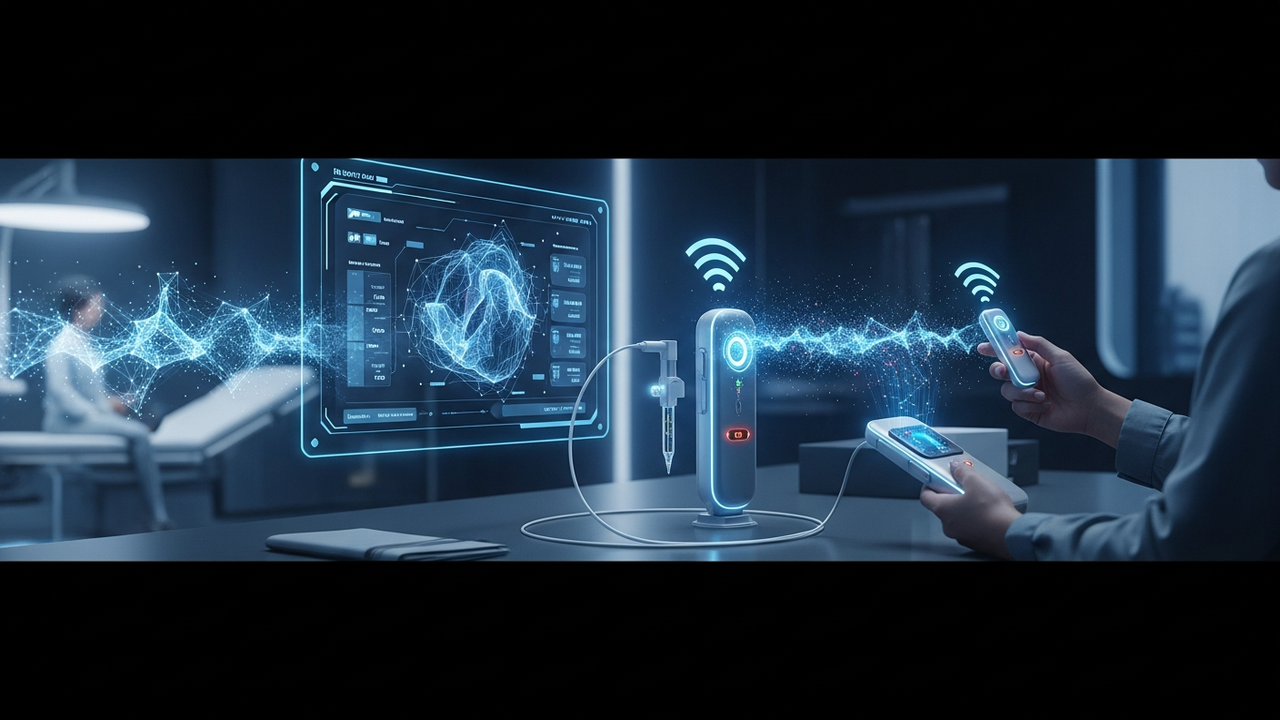
Electrochemical biosensors operate on the principle of converting the presence of a target biomarker into a measurable electrical signal. Their enhanced performance is primarily driven by the following technical advancements:
- Leveraging Nanomaterials: Nanomaterials like carbon nanotubes, graphene, and metal nanoparticles significantly increase the sensor’s surface area, enable signal amplification, and lower detection limits. This allows for the detection of even ultra-low concentrations of biomarkers.
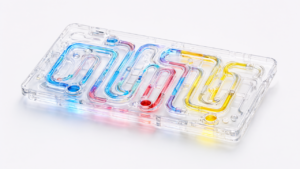
- Microfabrication Techniques: Derived from semiconductor manufacturing, microfabrication enables the miniaturization of sensors and facilitates their integration into Lab-on-a-chip systems, allowing complex analytical functions to be consolidated into a single, compact device.
- Evolution of Biorecognition Chemistry: Immobilizing highly specific biorecognition elements such as antibodies, aptamers, and enzymes onto the sensor surface ensures selective detection solely of the target biomarker.
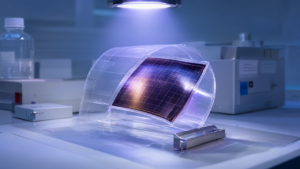
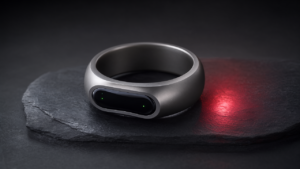
- Portable Analytical Systems: The combination with wearable platforms, smartphone-based interfaces, and flexible materials (e.g., patch-type sensors directly applied to the skin) enables diagnostics and continuous monitoring outside of traditional laboratory settings. These systems are equipped with wireless communication capabilities, transmitting data to the cloud for real-time patient status assessment by remote clinicians.
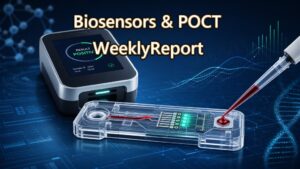
This technical integration has led to the realization of devices such as wearable continuous glucose monitors that measure glucose and lactate from sweat, and POCT devices that rapidly detect infectious disease markers from saliva.
Background & Context
Modern healthcare demands rapid, minimally invasive, and personalized diagnostics. Traditional laboratory methods often involve significant time, cost, and require specialized equipment and personnel, posing substantial challenges. Electrochemical biosensors offer a promising solution to these issues. The demand for Point-of-Care Testing (POCT) is expanding globally, driven by the need for improved healthcare access and early therapeutic intervention, with the market size projected to continue its growth. Furthermore, the advancement of personalized medicine necessitates real-time understanding of each patient’s physiological characteristics and biomarker profile, making next-generation electrochemical biosensors a crucial tool in this evolving landscape.
Strategic Significance & Outlook
Next-generation electrochemical biosensors are poised to fundamentally transform the future of medical diagnostics. The widespread adoption of POCT will enable diagnostics in resource-limited regions and emergency settings, contributing to the reduction of healthcare disparities. The promotion of decentralized healthcare models will empower patients to continuously monitor their health at home, allowing for early detection of disease deterioration. Moreover, as AI integration advances, the vast amounts of data generated by sensors can be automatically analyzed, providing personalized diagnostics and treatment recommendations in real-time. This is expected to enhance preventive medicine, make chronic disease management more efficient, and ultimately contribute significantly to extending healthy lifespans and reducing healthcare costs.
Get our weekly technology intelligence — free
Receive an infographic that lets you judge at a glance whether each field’s analysis report is worth reading.
Subscribe Free — Weekly Tech Intelligence
By subscribing, you’ll receive Troy-Technical’s weekly technology intelligence newsletter.
- Your email and selected fields are used only to deliver the newsletter.
- We never share your information with third parties.
- You can unsubscribe anytime via the link in each email.
See our Privacy Policy for details.
Takes about a minute · Unsubscribe anytime