Key Findings
Lipid nanoparticles (LNPs) are making significant strides as a highly versatile platform to overcome critical delivery barriers for nucleic acids, particularly for respiratory and gastrointestinal mucosal administration. Their tunable physicochemical properties, high encapsulation efficiency, and pH-responsive endosomal escape capabilities make LNPs an ideal carrier for protecting nucleic acids and efficiently delivering them to target cells.
Technical / Clinical Details
Nucleic acids, such as mRNA and siRNA, have faced significant challenges in effective in vivo delivery due to their inherent instability and poor cellular membrane permeability. LNPs are nanoscale (approximately 20-200 nm in diameter) delivery systems developed to address these issues. Their main components include ionizable lipids, phospholipids, cholesterol, and PEGylated lipids, each playing a crucial role in LNP stability, cellular uptake, and endosomal escape.
For respiratory and gastrointestinal mucosal delivery, strategies focusing on optimizing LNP particle size, surface charge, and the presence and density of PEGylation are critical. For instance, LNPs with appropriate size and surface charge can effectively permeate mucosal barriers and be efficiently taken up by intestinal epithelial cells or lung cells. While PEGylation can extend LNP circulation time and reduce non-specific uptake, it can also inhibit cellular uptake, necessitating a balanced design.
Background & Context
The success of COVID-19 mRNA vaccines, delivered via LNPs, has dramatically elevated public and scientific awareness of their efficacy and safety. This has led to an explosion of interest in LNPs as a nucleic acid delivery platform, with active research exploring applications in cancer therapy, gene therapy, autoimmune diseases, and many other therapeutic areas. Oral and inhaled administration routes are particularly important frontiers in DDS research due to their superior patient convenience and potential to improve adherence compared to injectable formulations.
Strategic Significance & Outlook
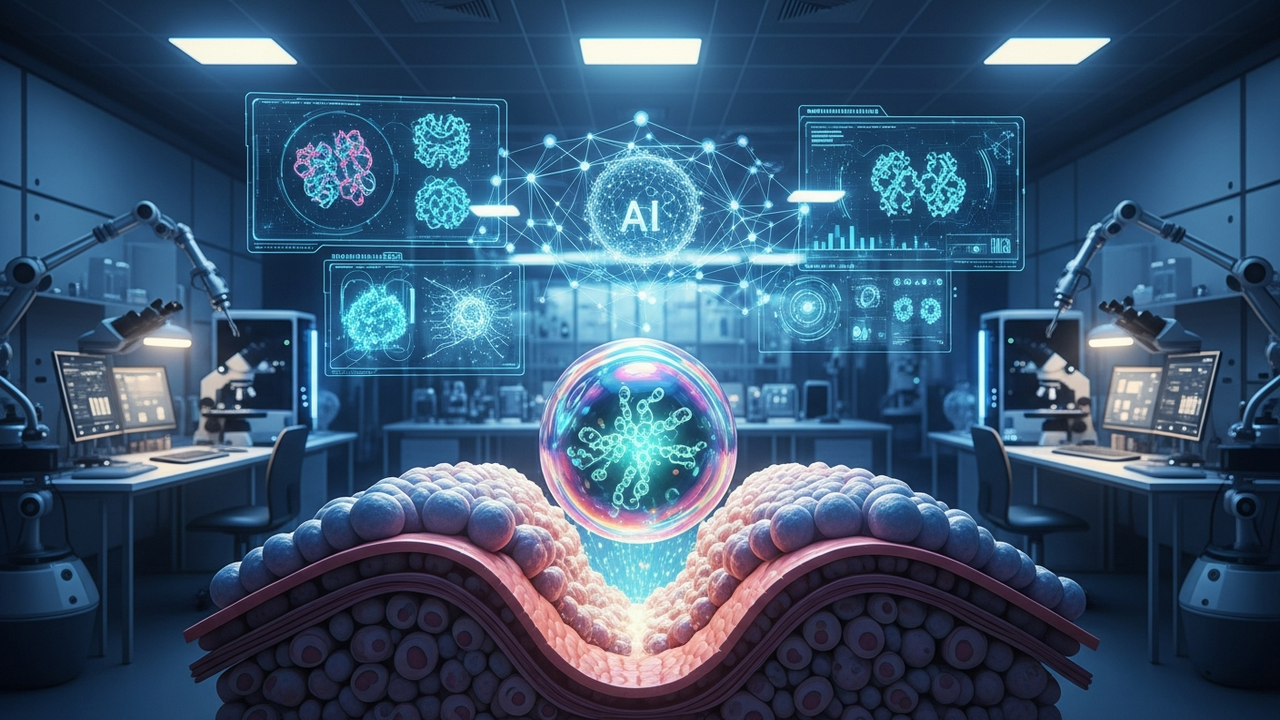
LNP technology is expected to evolve rapidly. The integration with AI platforms, in particular, will unlock new possibilities for LNP design and optimization. AI can analyze the complex relationships between LNP components, manufacturing conditions, target tissue delivery efficiency, and safety profiles, serving as a powerful tool for developing intelligent and personalized LNP delivery systems. This is anticipated to accelerate the development of more effective and safer nucleic acid medicines customized for specific diseases and patient needs. In the future, LNP-based nucleic acid therapeutics have the potential for widespread adoption as novel treatment options for intractable diseases, transforming global healthcare.
Source: https://www.mdpi.com/2306-5354/13/8/884
Get our weekly technology intelligence — free
Receive an infographic that lets you judge at a glance whether each field’s analysis report is worth reading.
Subscribe Free — Weekly Tech Intelligence
By subscribing, you’ll receive Troy-Technical’s weekly technology intelligence newsletter.
- Your email and selected fields are used only to deliver the newsletter.
- We never share your information with third parties.
- You can unsubscribe anytime via the link in each email.
See our Privacy Policy for details.
Takes about a minute · Unsubscribe anytime