Key Findings: In-depth Analysis of Bispecific Antibody Design and Production Challenges
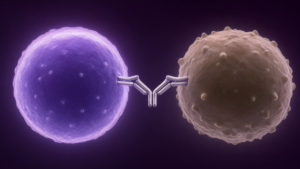
An insightful article by Prassanna Rao and Fränze Vorreiter delves into the molecular design strategies and inherent challenges associated with the development and manufacturing of bispecific antibodies (BsAbs), which are engineered to simultaneously bind two different antigens. This analysis underscores the critical importance of complexity management and quality assurance for researchers and developers aiming to bring this highly promising therapeutic modality to fruition.
Technical and Clinical Details: Trade-offs in IgG-like vs. Fragment-Based Designs
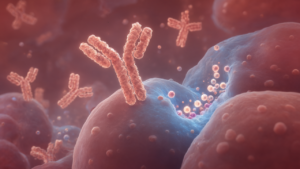
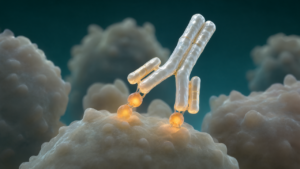
Bispecific antibodies are broadly categorized into two structural classes. The first, ‘IgG-like’ formats, resemble natural IgG antibodies, benefiting from a longer serum half-life due to the presence of an Fc region, which also enables Fc effector functions. However, the efficient assembly of the correct bispecific molecule from multiple distinct heavy and light chains presents significant challenges in both expression system design and manufacturing processes. The second class comprises smaller ‘fragment-based’ formats, utilizing single-chain Fv (scFv) or Fab fragments. These molecules, being smaller than IgG-like counterparts, may offer superior tissue penetration but generally have shorter serum half-lives and are prone to renal clearance, potentially requiring more frequent dosing. Furthermore, the design of linker regions connecting these fragments is crucial for stability and immunogenicity. In both classes, achieving high yields of the desired bispecific molecules with consistent quality and without aggregation necessitates advanced molecular biology expertise and process engineering. Specifically, sophisticated genetic engineering techniques are required to ensure precise pairing of chains with different antigen-binding sites, often involving extensive trial and error.
Background and Industry Context: Surpassing Monoclonal Antibody Limitations with Next-Generation Therapeutics
Traditional monoclonal antibodies have revolutionized medicine by offering high specificity and affinity for single targets across numerous disease areas. However, in complex disease environments such as the tumor microenvironment or conditions involving multiple simultaneously active signaling pathways, a single-target approach can be insufficient. Bispecific antibodies offer the potential for more potent therapeutic effects or entirely novel mechanisms of action (e.g., T-cell redirection) by binding two different targets simultaneously, such as a tumor antigen and an immune cell antigen. This capability holds immense promise, particularly in cancer immunotherapy, and is expected to provide new treatment options for challenging diseases like refractory cancers and autoimmune disorders, where conventional therapies have limited efficacy.
Future Outlook: Optimized Design and Efficient Manufacturing as Keys to Success
Despite the inherent complexities and challenges in their development, bispecific antibodies possess vast therapeutic potential. Future success will hinge on the exploration of more stable and manufacturable molecular formats, alongside further optimization of expression systems and purification processes. Advances in in silico design utilizing computational science and AI, high-throughput screening technologies, and refined quality control strategies during manufacturing are anticipated to accelerate the market entry of bispecific antibodies. These technological innovations are expected to enable the delivery of safe and effective next-generation biopharmaceuticals to patients worldwide.
Source: https://blog.genewiz.com/bispecific-antibodies-design-strategies-challenges?hs_amp=true
Get our weekly technology intelligence — free
Receive an infographic that lets you judge at a glance whether each field’s analysis report is worth reading.
Subscribe Free — Weekly Tech Intelligence
By subscribing, you’ll receive Troy-Technical’s weekly technology intelligence newsletter.
- Your email and selected fields are used only to deliver the newsletter.
- We never share your information with third parties.
- You can unsubscribe anytime via the link in each email.
See our Privacy Policy for details.
Takes about a minute · Unsubscribe anytime