Key Findings: AI Drug Discovery Landscape Evolves Multilayered from Target Identification to Clinical Trial Optimization
According to a comprehensive article mapping the current state of AI in drug discovery, the field is structured across four primary layers—biological target identification, generative molecule design, automated experimentation, and clinical trial optimization—each experiencing significant innovation. Companies such as Recursion Pharmaceuticals and Exscientia are leading in target identification, while Xaira Therapeutics and Iambic Therapeutics are prominent in generative molecule design, illustrating how AI is transforming the entire drug discovery pipeline.
Technical and Clinical Details: Specific AI Applications Across Each Layer
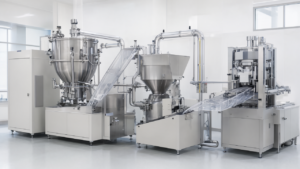
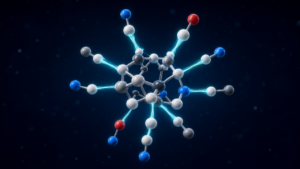
Distinct AI technologies are employed across the various layers of AI drug discovery. Firstly, in **biological target identification**, AI leverages vast amounts of genomic, proteomic, and disease-related data to pinpoint potential new proteins or pathways responsible for diseases. Recursion Pharmaceuticals and Exscientia utilize machine learning models to efficiently discover unexplored targets involved in pathologies, thereby accelerating the initial stages of drug discovery. Secondly, in **generative molecule design**, AI, particularly deep learning models, ‘generates’ novel molecular structures with high affinity and selectivity for specific targets. Xaira Therapeutics and Iambic Therapeutics employ generative AI models to design optimal drug candidate compounds, significantly reducing the time and cost associated with synthesis. Thirdly, **automated experimentation** (AI combined with robotics) accelerates experimental processes such as high-throughput screening and cell assays, speeding up data acquisition and analysis. This allows researchers to evaluate more compounds and conditions more efficiently. Finally, in **clinical trial optimization**, AI assists in patient stratification, selecting optimal trial sites, and real-time data monitoring, aiming to increase the success rate and shorten the duration of clinical development.
Background and Industry Context: Limitations of Traditional Drug Discovery and Expectations for AI
Traditional drug discovery processes have long been plagued by challenges such as prolonged timelines, high costs, and low success rates. Identifying new therapeutic targets and designing suitable molecules against them, in particular, has demanded immense time and resources. The advancements in AI technology promise to resolve these bottlenecks and dramatically enhance the efficiency of drug discovery. In an era dominated by data-driven approaches, AI excels at analyzing complex biological data and identifying patterns and correlations that are difficult for humans to discern. Notably, AI has evolved from a mere data analysis tool into ‘generative AI’ capable of autonomously generating hypotheses and designing new molecules, thereby amplifying its impact on the drug discovery sector. This shift is expected to improve both the quality and speed of the drug discovery pipeline.
Future Outlook: Further Integration and Widespread Adoption of AI-Driven Drug Discovery
In the future, AI drug discovery is expected to become even more deeply integrated across all layers of the research and development process, with a growing number of companies adopting AI technologies. Particularly, AI-driven target identification and generative molecule design are anticipated to be major drivers in significantly improving the success rates of early-stage drug discovery. Furthermore, the convergence of AI, robotics, and cloud computing may lead to the realization of ‘autonomous laboratories,’ where the entire process from experimentation to data analysis and molecular design is fully automated. This is expected to further shorten the new drug development cycle, allowing innovative medicines for previously untreatable diseases to reach patients more quickly. Enhanced collaboration with regulatory authorities will also be crucial to ensure the reliability and transparency of AI-designed drugs in the approval process.
Source: #
Get our weekly technology intelligence — free
Receive an infographic that lets you judge at a glance whether each field’s analysis report is worth reading.
Subscribe Free — Weekly Tech Intelligence
By subscribing, you’ll receive Troy-Technical’s weekly technology intelligence newsletter.
- Your email and selected fields are used only to deliver the newsletter.
- We never share your information with third parties.
- You can unsubscribe anytime via the link in each email.
See our Privacy Policy for details.
Takes about a minute · Unsubscribe anytime