Key Findings: Bambusa Therapeutics’ Bispecific Antibody BBT001 Shows Promising Early Phase 1 Results in Atopic Dermatitis, Achieving Rapid Itch Relief and Disease Improvement
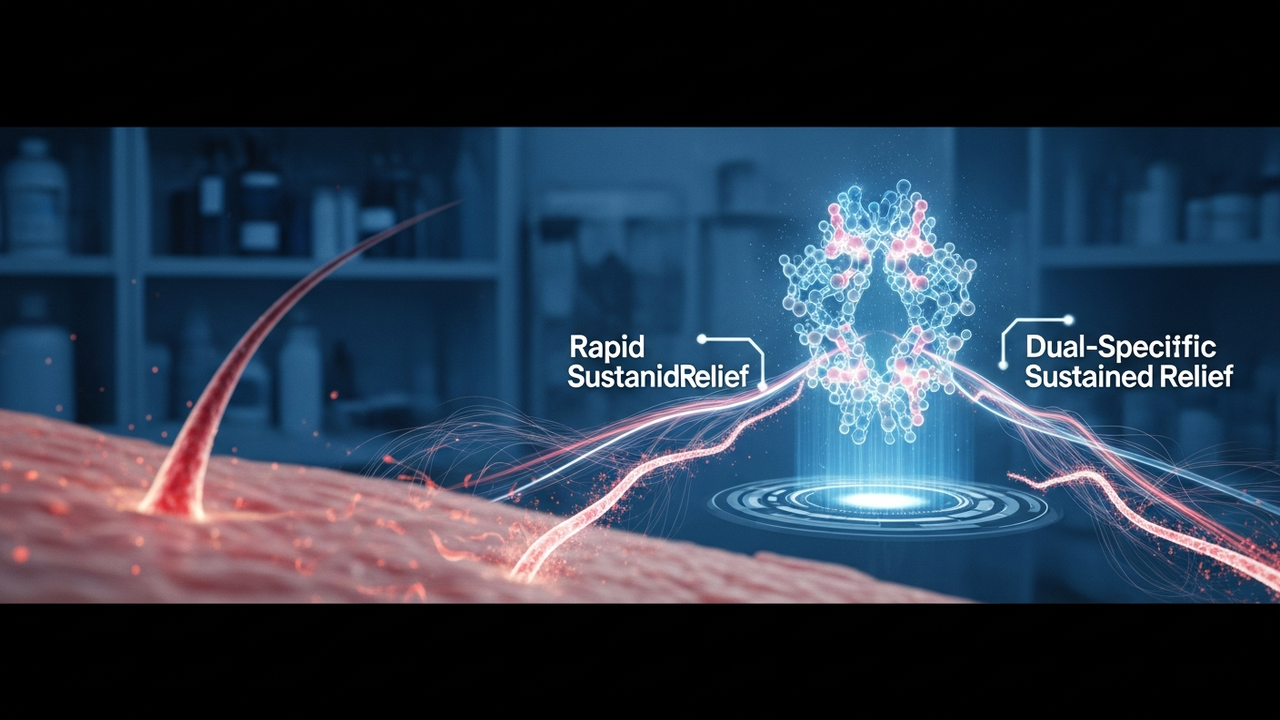
Preliminary Phase 1 clinical trial data for Bambusa Therapeutics’ investigational bispecific antibody, BBT001, has shown highly promising early results in patients with moderate-to-severe atopic dermatitis (AD). This data clearly indicates that BBT001 delivers rapid and sustained improvement in both disease severity and pruritus (itch), holding the potential to offer a new treatment option for atopic dermatitis.
Technical and Clinical Details: Dual Targeting of IL-4Rα and IL-31 for Type 2 Inflammation Suppression
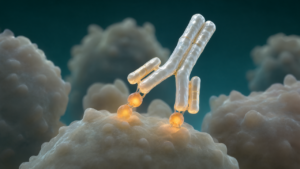
BBT001 is an intricately designed bispecific antibody engineered to simultaneously target two key cytokine pathways central to the pathophysiology of atopic dermatitis: interleukin-4 receptor alpha (IL-4Rα) and interleukin-31 (IL-31). IL-4Rα is essential for signaling of both IL-4 and IL-13, major mediators of type 2 inflammation, while IL-31 is a critical cytokine known to cause severe itching in AD. By concurrently inhibiting both, BBT001 achieves sustained suppression of type 2 inflammatory biomarkers (e.g., TARC and IgE), thereby effectively reducing both skin inflammation and pruritus.
Preliminary data from the Phase 1 trial confirmed the following points:
- Rapid and Sustained Improvement in Disease Severity and Pruritus: Patients reported significant improvement in symptoms after administration, and the effects were durable.
- Favorable Safety Profile: The incidence of adverse events was low, and no serious adverse events were reported. This is an extremely critical factor for a new biologic drug.
- Advantageous Pharmacokinetic Data: Pharmacokinetic analysis showed that BBT001 exhibited a profile supporting extended dosing intervals. This represents a significant advantage in reducing the patient’s treatment burden and improving adherence.
These data suggest that BBT001 approaches the pathology of atopic dermatitis from multiple angles, potentially delivering powerful therapeutic effects.
Background and Industry Context: High Unmet Medical Needs in Intractable Atopic Dermatitis
Atopic dermatitis is a chronic inflammatory skin disease affecting hundreds of millions worldwide, causing severe itching, sleep disturbances, psychological distress, and reduced quality of life in severe cases. Existing treatments include topical steroids, immunosuppressants, and more recently, JAK inhibitors and single-target biologics, but not all patients achieve sufficient efficacy, and there are concerns about safety and long-term use. Particularly for patients with moderate-to-severe atopic dermatitis, there is a high unmet medical need for more effective and safer new treatment options. Bispecific antibodies like BBT001, which act on multiple inflammatory pathways simultaneously, are considered a promising approach to address this unmet need.
Future Outlook: Progression to Phase 2 and Expectations for Market Entry
The positive preliminary results from the Phase 1 trial of BBT001 strongly suggest that this drug could play a significant role in future atopic dermatitis treatment. Bambusa Therapeutics will likely advance rapidly to larger Phase 2 clinical trials based on these data. If BBT001’s efficacy and safety are further confirmed in Phase 2 and 3 trials, it is expected to be launched as a new, more effective, and convenient injectable therapeutic for atopic dermatitis patients. This has the potential to dramatically improve the quality of life for AD patients and significantly impact the existing treatment market.
Source: #
Get our weekly technology intelligence — free
Receive an infographic that lets you judge at a glance whether each field’s analysis report is worth reading.
Subscribe Free — Weekly Tech Intelligence
By subscribing, you’ll receive Troy-Technical’s weekly technology intelligence newsletter.
- Your email and selected fields are used only to deliver the newsletter.
- We never share your information with third parties.
- You can unsubscribe anytime via the link in each email.
See our Privacy Policy for details.
Takes about a minute · Unsubscribe anytime