Key Findings
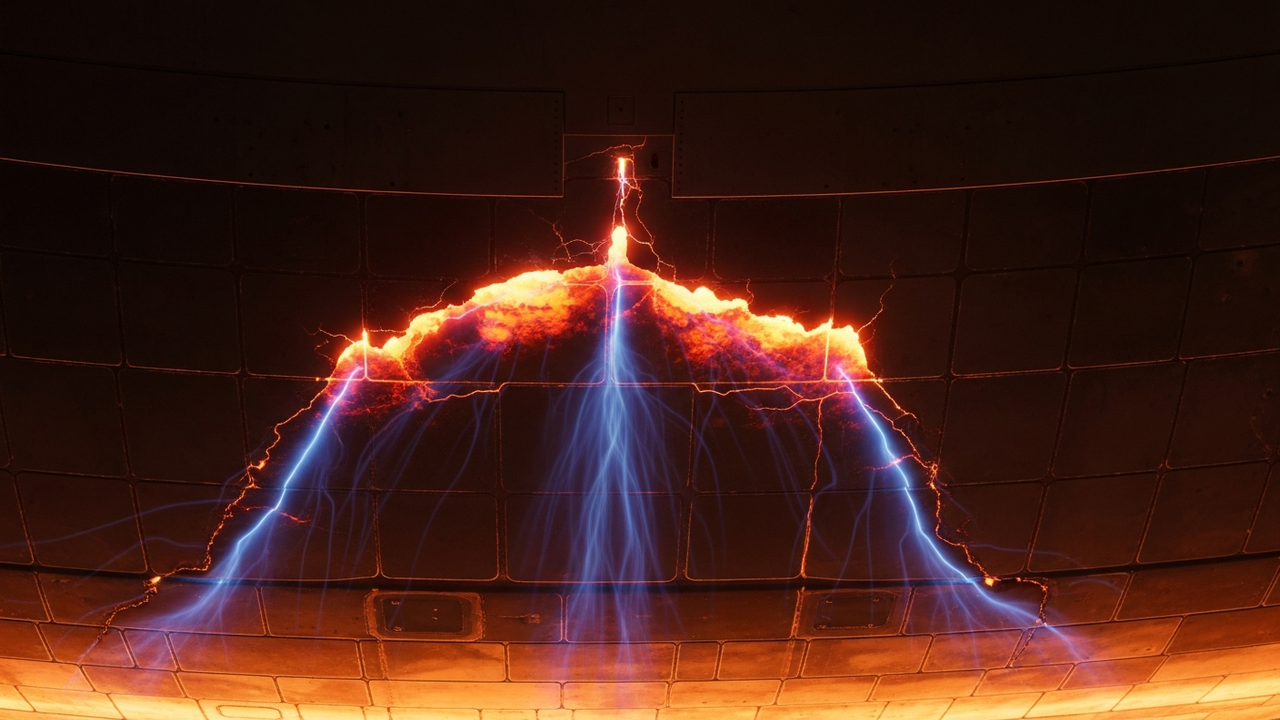
SpaceX Starship’s Thermal Protection System (TPS) is engineered to shield the vehicle from extreme temperatures exceeding 2500°F (approx. 1400°C) during atmospheric re-entry. However, initial flight tests have revealed challenges beyond the ceramic tiles’ intrinsic performance, including ‘thermal bridging’ through the tile attachment hardware and ‘plasma intrusion’ into the gaps between tiles, both of which impede the system’s rapid reusability goals.
Technical Details
The Starship TPS comprises tens of thousands of hexagonal ceramic tiles designed to insulate the vehicle from the re-entry plasma flow. ‘Thermal bridging’ refers to the phenomenon where the metallic substructure supporting these tiles conducts heat inward, circumventing the tile’s insulation. ‘Plasma intrusion’ occurs when high-velocity plasma penetrates minute gaps between tiles, potentially damaging underlying structures. SpaceX is continuously refining the design of tile attachment methods, adhesives, and underlying structures to address these ‘hidden weaknesses.’ The ultimate goal is to achieve a level of reusability that requires minimal maintenance and allows for repeat flights within hours.
Background & Context
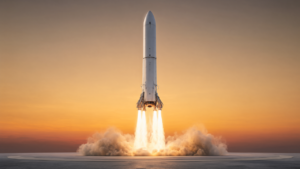
Rapid rocket reusability is paramount for drastically cutting space transportation costs and accelerating the development of the space economy. SpaceX pioneered rocket reusability with the Falcon 9, and Starship aims for an even more advanced, ‘aircraft-like’ operational cadence. Achieving this demands a TPS that can withstand the severe thermal loads of re-entry while being quickly inspected and repaired. While Starship’s TPS aims for a simpler, more robust design than the Space Shuttle’s, its complexity and scale introduce unforeseen challenges.
Strategic Significance & Outlook
SpaceX is dedicated to continuous improvements in its TPS, expecting to overcome these challenges through ongoing test flights. Success would position Starship as a truly revolutionary reusable space transport system, enabling crewed missions to the Moon and Mars, and the deployment of mega-constellations of millions of low Earth orbit satellites. However, unresolved TPS issues could lead to increased costs for NASA’s lunar landing contracts and delays in SpaceX’s ambitious launch schedule. The evolution of TPS remains a critical factor shaping the future of space exploration.
Source: https://www.youtube.com/watch?v=lNH4w_6W4I4
Get our weekly technology intelligence — free
Receive an infographic that lets you judge at a glance whether each field’s analysis report is worth reading.
Subscribe Free — Weekly Tech Intelligence
By subscribing, you’ll receive Troy-Technical’s weekly technology intelligence newsletter.
- Your email and selected fields are used only to deliver the newsletter.
- We never share your information with third parties.
- You can unsubscribe anytime via the link in each email.
See our Privacy Policy for details.
Takes about a minute · Unsubscribe anytime