Key Findings
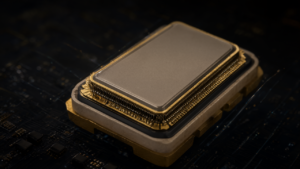
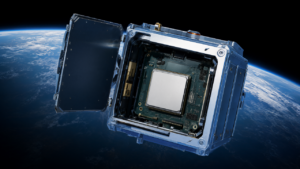
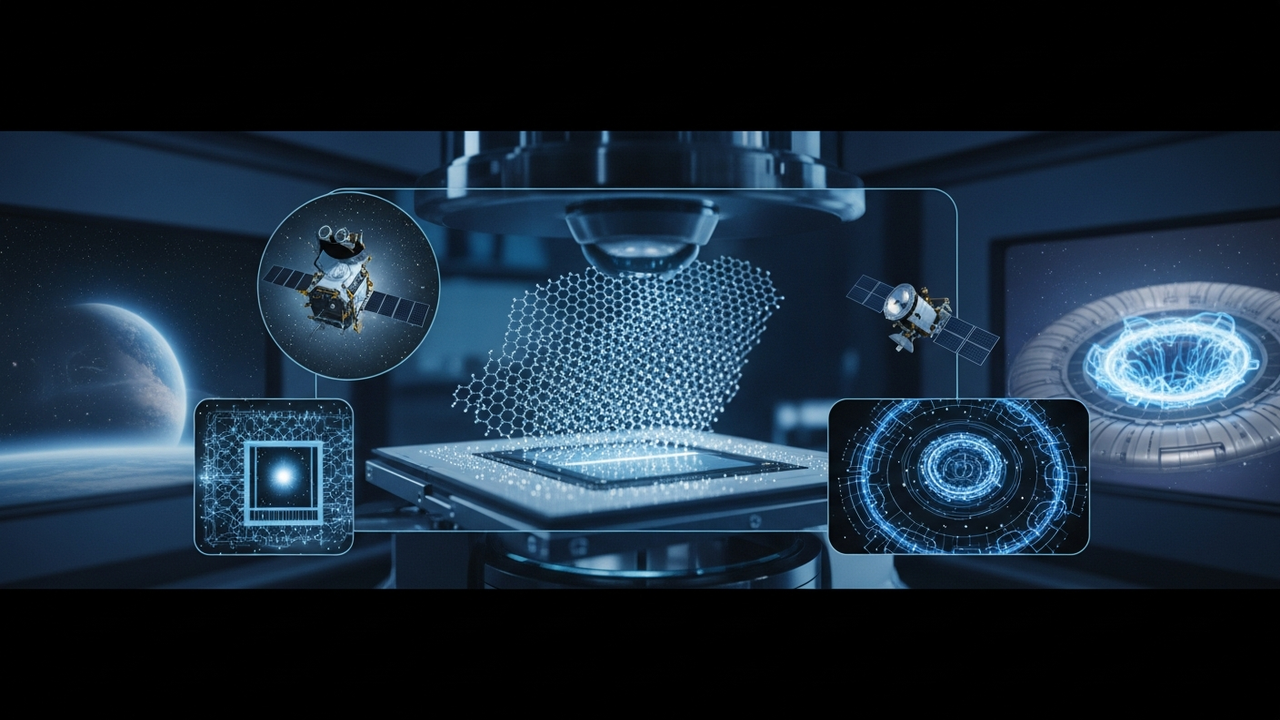
Researchers at the University of Arizona have unveiled the potential of graphene nanoribbons (GNRs) to create advanced radiation sensors and radiation-hardened semiconductor chips that can operate reliably in extremely harsh conditions. This technology promises to significantly enhance the resilience of electronics crucial for deep space exploration and fusion energy applications.
Technical Details
In the study, semiconductor devices embedded with GNRs were exposed to gamma radiation. The results confirmed that these nanoribbons maintained their structural and electrical properties post-exposure, demonstrating remarkably superior resilience compared to conventional silicon-based sensors. This enhanced durability is attributed to the unique electronic structure and mechanical strength of GNRs, which provide high resistance against radiation-induced damage mechanisms. This characteristic is vital for long-term stable operation of semiconductor chips and sensors in environments constantly exposed to intense radiation, such as cosmic rays in deep space or high-energy particles within fusion reactors. As radiation sensors, these GNR-based devices are expected to accurately detect accumulated radiation doses over time and enable real-time monitoring of system performance degradation.
Background & Context
The development of electronic components capable of functioning in high-radiation environments has been a persistent challenge for the space and energy sectors. Deep space missions, in particular, lack the protection of Earth’s magnetosphere, exposing electronics to high levels of radiation. Similarly, in fusion energy research and development, the areas surrounding plasma confinement devices are bathed in extremely strong neutron and gamma radiation. Previous technologies required bulky and complex shielding to withstand these environments, but the introduction of GNRs opens the door to smaller, more efficient radiation-hardened designs.
Strategic Significance & Outlook
This graphene nanoribbon technology is poised for diverse applications, including extending the lifespan of future space probes, enabling control systems for next-generation fusion reactors, and refining precision in radiation therapy equipment. The research team is currently focused on scaling up the manufacturing processes for GNR-based devices and conducting further studies to evaluate their resistance across a broader spectrum of radiation. If commercialized, this technology could play a pivotal role in expanding humanity’s operational capabilities in extreme environments, fostering new scientific discoveries and technological advancements.
Get our weekly technology intelligence — free
Receive an infographic that lets you judge at a glance whether each field’s analysis report is worth reading.
Subscribe Free — Weekly Tech Intelligence
By subscribing, you’ll receive Troy-Technical’s weekly technology intelligence newsletter.
- Your email and selected fields are used only to deliver the newsletter.
- We never share your information with third parties.
- You can unsubscribe anytime via the link in each email.
See our Privacy Policy for details.
Takes about a minute · Unsubscribe anytime