Key Findings
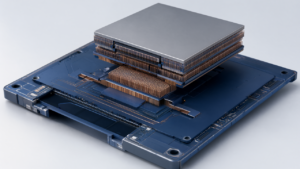
The future of lightweight components in the aerospace and automotive industries is significantly shaped by the maturation of composite materials, advanced polymers, and digital manufacturing technologies. The rapid proliferation of electric vehicles (EVs), in particular, makes innovation in lightweight body panels, EV enclosures, internal systems, and support structures indispensable for offsetting battery pack weight and maximizing driving range.
Technical Details
The evolution of lightweighting technologies is supported by the following key technical elements:
- Utilization of Composite Materials: Composites such as Carbon Fiber Reinforced Plastics (CFRP) and Glass Fiber Reinforced Plastics (GFRP) offer superior strength-to-weight ratios compared to steel and aluminum. This allows for significant weight reduction in structural components of aircraft and automobiles.
- Development of Advanced Polymers: High-performance thermoplastic and thermosetting polymers are not only lightweight but also provide high heat resistance, chemical resistance, and mechanical strength. These polymers are used in interior components, engine compartments, and battery housings.
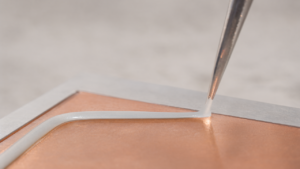
- Advancements in Adhesives and Sealants: Bonding dissimilar materials is crucial for lightweighting strategies. High-performance adhesives and sealants effectively join metals, plastics, and composites, maintaining structural integrity while reducing weight compared to welding or mechanical fastening. Especially for automotive battery packs and aircraft structural parts, adhesives and sealants with excellent impact resistance, heat resistance, and durability are essential.
- Digital Manufacturing Technologies: 3D printing (additive manufacturing) and advanced simulation tools enable optimization of lightweight designs, fabrication of complex geometries, and accelerated prototype development.
The combination of these technologies allows for improved fuel efficiency, reduced emissions, and extended EV range without compromising product performance.
Background & Context
Concerns over climate change and stringent environmental regulations are intensifying pressure for lightweighting across industries worldwide. In the automotive sector, lightweighting in grams is required not only to improve fuel efficiency but also to extend the battery range of electric vehicles. In the aerospace industry, reducing fuel costs and complying with emissions regulations drive thorough lightweighting from the design phase. Such factors underscore how material science and manufacturing technology innovation are indispensable for building a sustainable future. This global imperative is pushing boundaries in material development and manufacturing processes.
Strategic Significance & Outlook
The future of lightweight components will continue to be characterized by ongoing advancements in material science and manufacturing process innovations. High-performance adhesives and sealants, in particular, are expected to play a crucial role in further integrating dissimilar materials and enabling more complex and efficient lightweight structures. With the proliferation of autonomous vehicles and the development of next-generation aircraft, the demand for these technologies will further expand, pushing the boundaries of design freedom and performance across industries. This trend creates significant business opportunities for related supply chain companies, emphasizing the shift from traditional joining methods to advanced chemical bonding.
Source: https://constrofacilitator.com/the-future-of-lightweight-components-across-multiple-industries/
Get our weekly technology intelligence — free
Receive an infographic that lets you judge at a glance whether each field’s analysis report is worth reading.
Subscribe Free — Weekly Tech Intelligence
By subscribing, you’ll receive Troy-Technical’s weekly technology intelligence newsletter.
- Your email and selected fields are used only to deliver the newsletter.
- We never share your information with third parties.
- You can unsubscribe anytime via the link in each email.
See our Privacy Policy for details.
Takes about a minute · Unsubscribe anytime