Key Findings
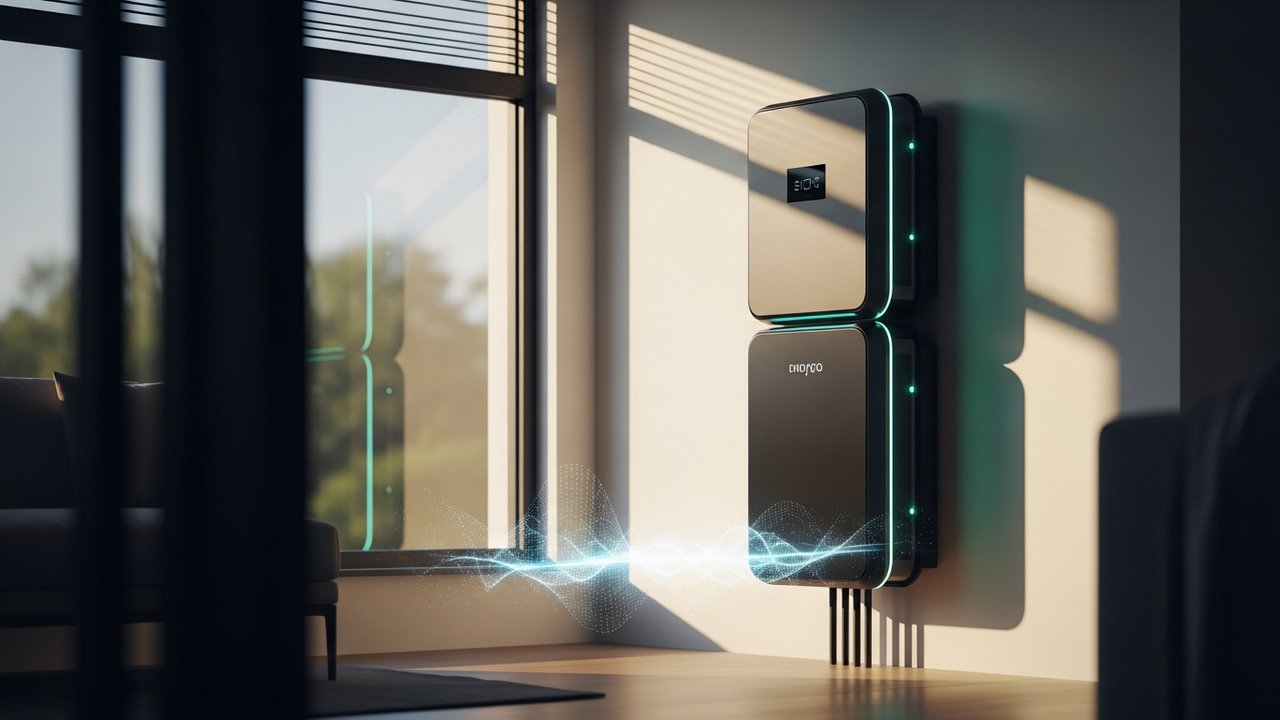
Revolta, a German energy storage startup, has launched a pioneering high-voltage sodium-ion battery storage system targeting the residential market. This innovative system delivers a modular capacity ranging from 2 kWh to 20 kWh, operates at a nominal voltage of 450 V DC, achieves an impressive round-trip efficiency exceeding 95%, and boasts an energy density of 105 Wh/kg. Furthermore, it carries an IP65 protection rating, ensuring robust performance and safety in diverse installation environments. This market entry significantly expands the sustainable, non-lithium alternatives available for home energy storage.
Technical and Business Details
A key differentiator for Revolta’s sodium-ion system is its modular architecture, allowing users to connect up to ten 2 kWh battery modules in parallel, thus scaling storage capacity from 2 kWh up to 20 kWh in 2 kWh increments. This high degree of customizability makes the system adaptable to a wide range of residential energy needs, from smaller homes to larger, more energy-intensive households. The 450 V DC nominal voltage contributes to higher power conversion efficiency and overall system optimization, while the >95% efficiency minimizes energy losses during charging and discharging, maximizing the utilization of generated renewable electricity.
From a technical standpoint, sodium-ion batteries address several challenges associated with lithium-ion technology, particularly the scarcity and high cost of lithium. Revolta’s achievement of 105 Wh/kg energy density is notable for a sodium-ion chemistry, providing ample storage capacity for typical residential applications. The IP65 rating signifies strong protection against dust ingress and water jets, broadening installation flexibility to both indoor and sheltered outdoor locations.
Background and Industry Context
The residential energy storage market is experiencing rapid growth, driven by the proliferation of rooftop solar PV systems and fluctuating electricity prices. However, concerns regarding lithium-ion battery supply chain stability and environmental impact have spurred demand for alternative technologies. Sodium-ion batteries, leveraging abundant and low-cost sodium, present a compelling solution due to their resource sustainability and potential cost advantages. Revolta’s offering directly responds to this market need, providing a more environmentally friendly and accessible storage solution that supports greater energy independence for homeowners.
Strategic Significance and Outlook
The introduction of Revolta’s residential sodium-ion storage system is poised to intensify competition in the European, particularly German, home energy market. Widespread adoption of this technology could significantly increase self-consumption rates for household-generated renewable energy, thereby reducing strain on national grids. In the long term, continued advancements in sodium-ion battery performance and further cost reductions could expand its application scope to include commercial facilities and small-scale grid support. This initiative plays a crucial role in accelerating the transition towards a more sustainable and resilient energy future.
Get our weekly technology intelligence — free
Receive an infographic that lets you judge at a glance whether each field’s analysis report is worth reading.
Subscribe Free — Weekly Tech Intelligence
By subscribing, you’ll receive Troy-Technical’s weekly technology intelligence newsletter.
- Your email and selected fields are used only to deliver the newsletter.
- We never share your information with third parties.
- You can unsubscribe anytime via the link in each email.
See our Privacy Policy for details.
Takes about a minute · Unsubscribe anytime