Key Findings
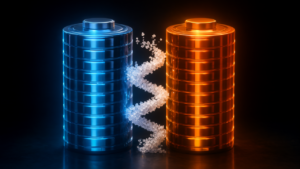
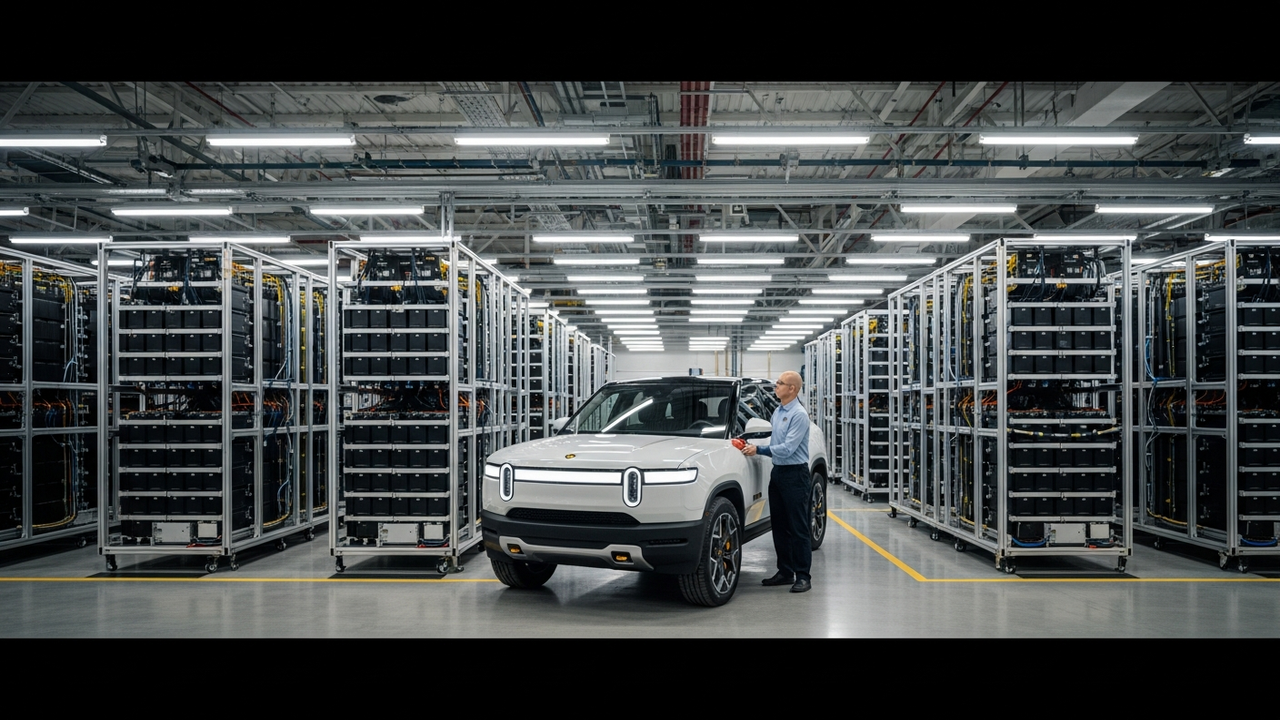
Rivian and battery recycling specialist Redwood Materials have collaborated to install a 10 MWh stationary energy storage system at Rivian’s manufacturing plant in Normal, Illinois, marking the first such deployment at a U.S. automotive facility utilizing second-life EV batteries. This innovative project reuses over 100 Rivian EV battery packs, showcasing a new value creation model for batteries after their primary automotive life cycle.
Technical Details
The system integrates battery packs that, after removal from Rivian’s electric vehicles, still retain over 80% of their original capacity. These second-life batteries are repurposed for various stationary applications within the factory, including peak demand shaving, storing electricity from renewable sources, and providing auxiliary power to data centers. This approach extends the useful life of batteries, significantly reducing the overall carbon footprint associated with battery manufacturing. Redwood Materials’ expertise is crucial in the assessment, repackaging, and safe integration of these batteries into a robust energy storage solution.
Background & Context
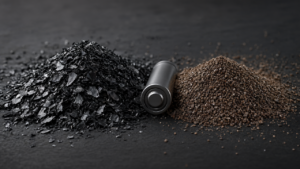
The rapid expansion of electric vehicles is projected to result in a massive influx of end-of-life EV batteries in the coming years. Repurposing or recycling these batteries, rather than landfilling them, is an urgent priority for resource sustainability and environmental protection. Utilizing second-life batteries reduces the need for new battery production, cuts associated environmental costs, and improves the cost-effectiveness of energy storage solutions. This project aligns with a broader industry trend where automotive manufacturers are increasingly taking responsibility for the entire lifecycle of EV batteries.
Strategic Significance & Outlook
The collaboration between Rivian and Redwood Materials validates the potential of second-life batteries as a reliable and economical solution for grid-scale energy storage and industrial applications. This successful demonstration is expected to encourage other automakers and battery companies to pursue similar initiatives, accelerating the transition towards a circular economy for batteries. Future prospects include more diverse applications for second-life batteries, contributing to the development of a truly sustainable battery supply chain globally.
Get our weekly technology intelligence — free
Receive an infographic that lets you judge at a glance whether each field’s analysis report is worth reading.
Subscribe Free — Weekly Tech Intelligence
By subscribing, you’ll receive Troy-Technical’s weekly technology intelligence newsletter.
- Your email and selected fields are used only to deliver the newsletter.
- We never share your information with third parties.
- You can unsubscribe anytime via the link in each email.
See our Privacy Policy for details.
Takes about a minute · Unsubscribe anytime