Key Findings
An analysis of commercial activities between 2024 and 2026 has revealed the rapid growth of Virtual Power Plants (VPPs) in the United States. VPPs have evolved from regional programs into national, gigawatt-scale initiatives, spearheaded by major players like Tesla, Sunrun, and Renew Home, with a collective 16GW project underway. Furthermore, Google has launched a pioneering effort to fund 100MW of new VPP capacity annually, accelerating investment and innovation in this sector.
Technical & Commercial Details
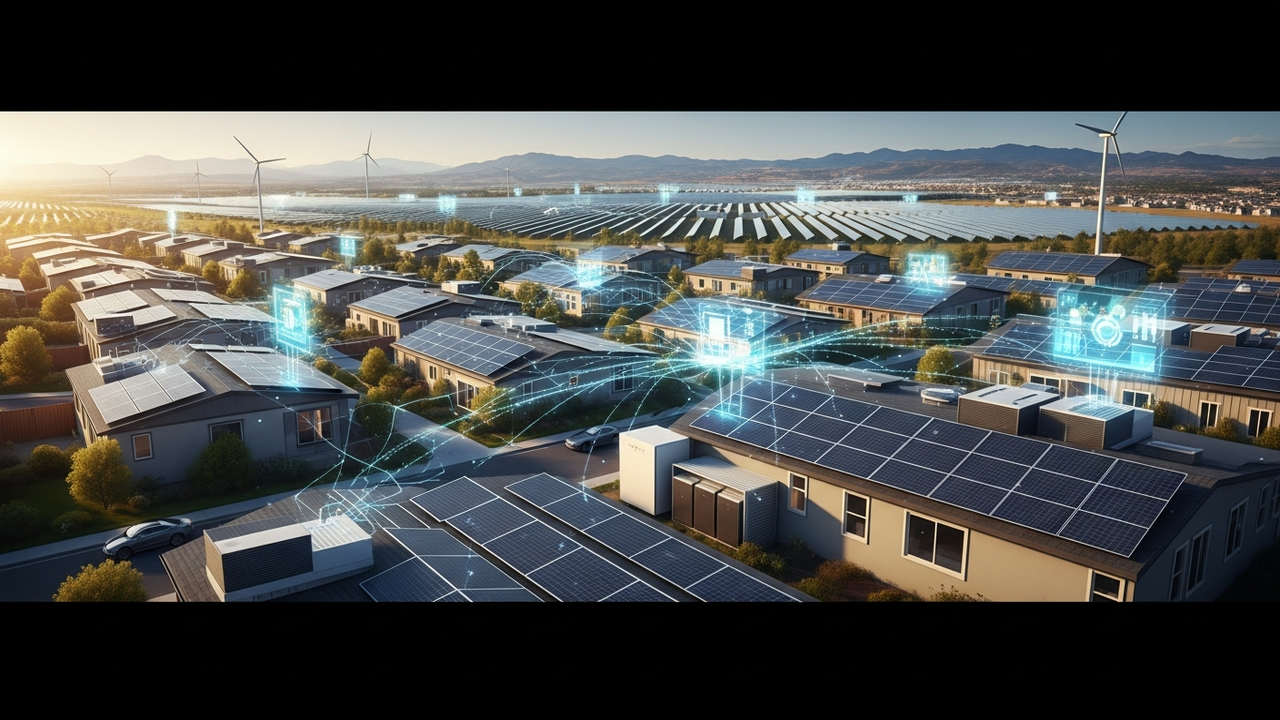
VPPs are sophisticated technologies that remotely aggregate and optimize Distributed Energy Resources (DERs) such as rooftop solar, battery storage systems, smart appliances, and electric vehicle (EV) chargers through advanced software platforms. This enables these individual resources to operate collectively as if they were a single power plant, providing various services to the grid, including peak demand shaving, frequency regulation, and transmission congestion relief. The 16GW national VPP project, a partnership between Tesla, Sunrun, and Renew Home, integrates home batteries and solar systems to offer widespread grid support. Google’s initiative, on the other hand, focuses on fostering innovation and market diversity by targeting early-stage VPP projects and new technology development. Regional grid operators, such as the California Independent System Operator (CAISO), are also recognizing the crucial role VPPs play in grid stabilization and are developing appropriate market mechanisms. This blend of established energy players and tech giants underscores the transformative potential of VPPs.
Background & Industry Context
In the U.S., as renewable energy adoption accelerates, concerns about grid variability have grown, making VPPs an effective solution to enhance grid reliability and resilience. The transition from traditional centralized generation to a distributed energy system is essential for modernizing the grid and achieving decarbonization targets. Moreover, with increasing extreme weather events due to climate change, VPPs provide backup power to local communities during outages, improving disaster resilience. The entry of major technology and energy companies into the VPP market signals the substantial commercial potential of this technology, driving capital influx and accelerating technological innovation. This shift represents a fundamental change in how electricity is generated, managed, and consumed.
Future Outlook
The U.S. VPP market is projected for continued substantial growth. Maturing technology, strengthening policy support, and increasing consumer interest in DERs will be key drivers of this expansion. VPPs will become powerful tools for grid operators to enhance flexibility, reduce operational costs, and facilitate the integration of renewable energy. Simultaneously, homeowners and businesses will gain greater opportunities to generate revenue from their DER investments and reduce energy costs, enjoying significant economic benefits. With companies like Google entering the field, VPPs will leverage AI and machine learning for more advanced optimization, further boosting their efficiency and impact. VPPs are expected to expand their role as a critical pillar for achieving a smart, sustainable, and resilient future power grid, offering a decentralized model that empowers communities and leverages local resources.
Source: https://enkiai.com/nuclear/tesla-energy-storage-2026-515-mw-caiso-program/
Get our weekly technology intelligence — free
Receive an infographic that lets you judge at a glance whether each field’s analysis report is worth reading.
Subscribe Free — Weekly Tech Intelligence
By subscribing, you’ll receive Troy-Technical’s weekly technology intelligence newsletter.
- Your email and selected fields are used only to deliver the newsletter.
- We never share your information with third parties.
- You can unsubscribe anytime via the link in each email.
See our Privacy Policy for details.
Takes about a minute · Unsubscribe anytime