Key Findings
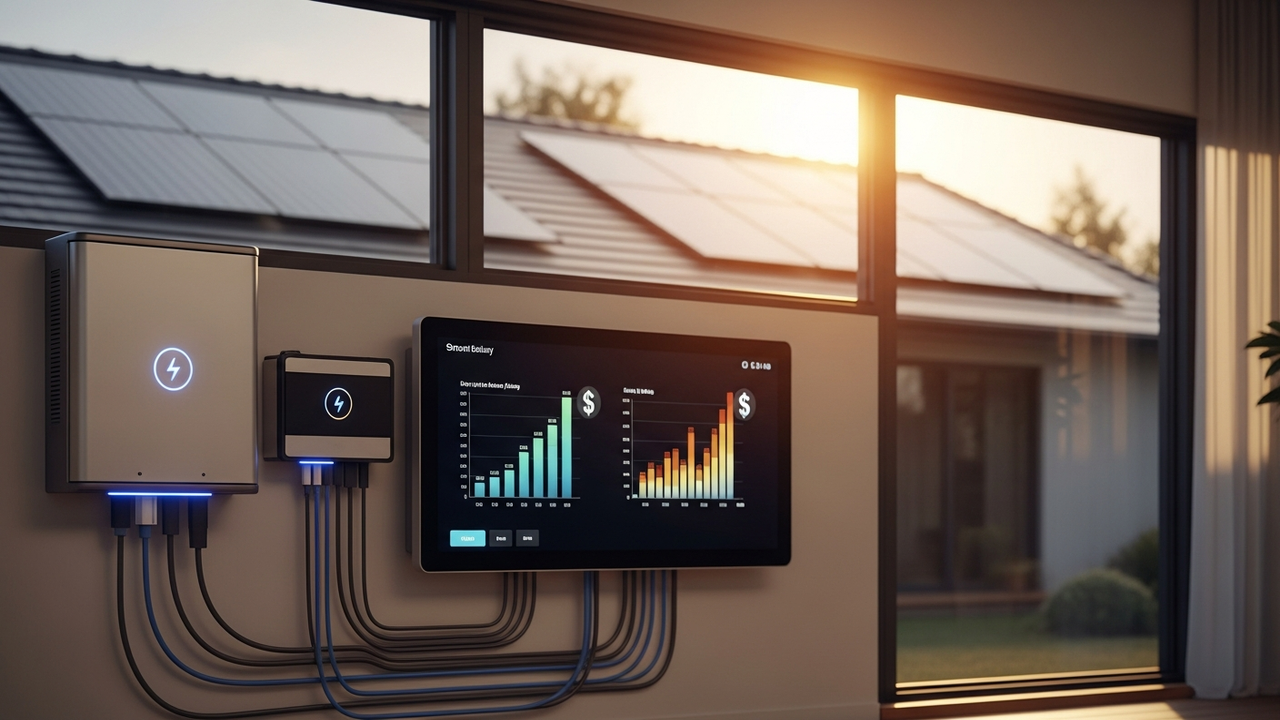
In 2026, the economic value of home batteries dramatically increased due to two primary factors: the widespread adoption of Virtual Power Plant (VPP) programs and the provision of record-setting state-level rebates. This empowers homeowners to derive new revenue streams from their installed battery systems, fundamentally changing the dynamics of energy consumption.
Technical & Commercial Details
VPPs are technologies that aggregate and control thousands of Distributed Energy Resources (DERs), particularly home batteries, through advanced software platforms. When the grid is stressed during peak demand or unexpected outages, VPPs can dispatch power from these home batteries back to the grid, contributing to stabilization. For providing this service, homeowners receive direct compensation from utilities or VPP operators. Furthermore, generous rebate programs implemented in many states significantly reduce the upfront cost of home battery installation, shortening the payback period for investments. For instance, some regions offer rebates ranging from several thousand dollars up to $16,000, which lowers the economic barrier to battery adoption. This combination of economic incentives encourages consumers to become “prosumers,” not just consuming electricity but also actively contributing to its supply.
Background & Industry Context
The expansion of renewable energy integration poses challenges of variability to the electricity grid. Traditional grids were designed around stable supply from centralized large-scale power plants. However, with the increasing penetration of intermittent sources like solar and wind, balancing supply and demand has become more complex. In this context, VPPs are gaining attention as an innovative solution to bring flexibility and resilience to the grid. Through VPPs, home batteries can store and release electricity as needed, contributing to grid stability and alleviating grid load during peak demand. This is also expected to reduce the need for expensive power plant operation and curtail investment in transmission infrastructure. In the U.S., policies such as the Bipartisan Infrastructure Law are actively promoting the deployment of DERs and VPPs, making them a cornerstone of the energy transition.
Future Outlook
The increasing economic value of home batteries is expected to accelerate further. The expansion of VPP programs and continued rebates will incentivize more homeowners to install battery systems, further promoting the widespread adoption of distributed energy systems. In the future, VPPs are anticipated to play a larger role in electricity markets, contributing to the energy independence of local communities. Moreover, with the proliferation of EVs, the development of Vehicle-to-Grid (V2G) technology, which integrates EV batteries into VPPs, is also progressing. This could allow home batteries and EV batteries to work in conjunction, forming even more powerful distributed energy resources. This movement will be a crucial driving force in accelerating the transition towards a consumer-centric, more sustainable, and resilient energy system.
Get our weekly technology intelligence — free
Receive an infographic that lets you judge at a glance whether each field’s analysis report is worth reading.
Subscribe Free — Weekly Tech Intelligence
By subscribing, you’ll receive Troy-Technical’s weekly technology intelligence newsletter.
- Your email and selected fields are used only to deliver the newsletter.
- We never share your information with third parties.
- You can unsubscribe anytime via the link in each email.
See our Privacy Policy for details.
Takes about a minute · Unsubscribe anytime