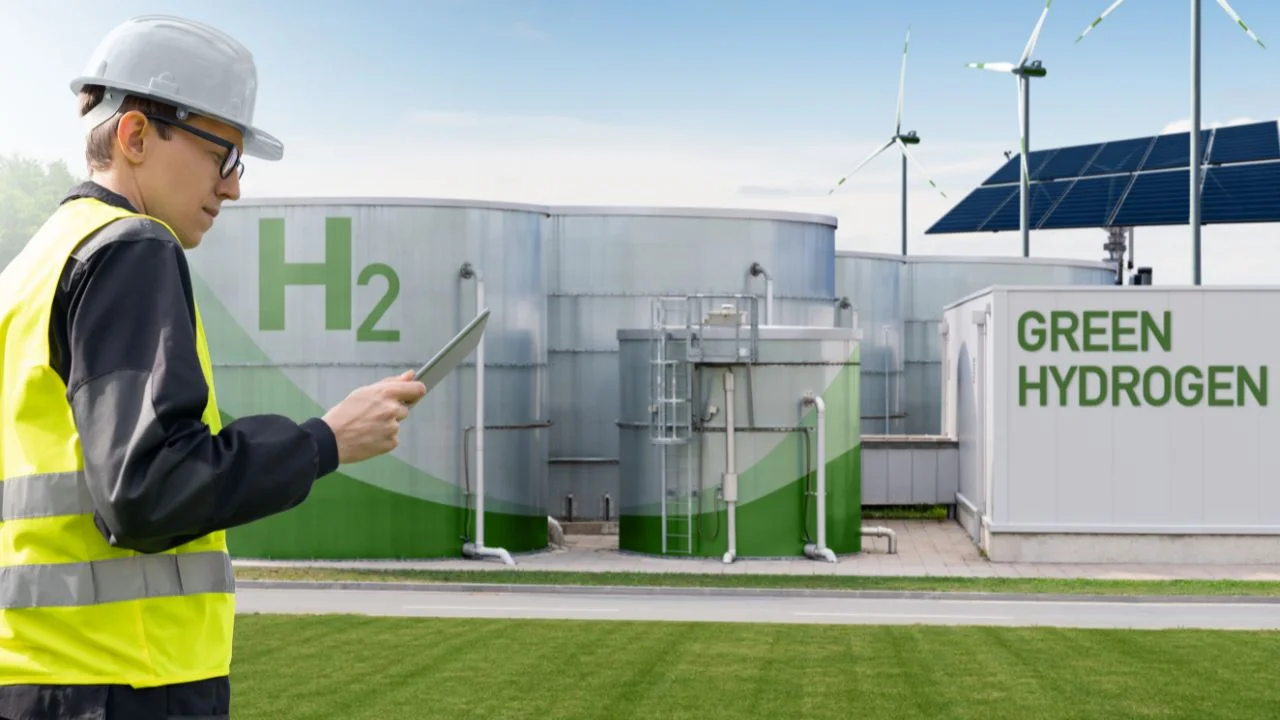
Background: Strategic Advantages in Green Hydrogen
The global transition to decarbonized energy systems has firmly established green hydrogen as a critical component for achieving net-zero emissions, especially in hard-to-abate sectors. The Middle East possesses inherent advantages for large-scale green hydrogen production, chief among them vast desert landscapes boasting exceptionally high solar irradiance and robust wind resources. These natural endowments enable the generation of some of the world’s lowest-cost renewable electricity. Coupled with its strategic geographical position at the nexus of major energy markets in Europe and Asia, the region is uniquely positioned to become a global hub for green hydrogen production and export.
Flagship Projects and National Initiatives
Several monumental green hydrogen initiatives are actively progressing across the Middle East. Prominently, the NEOM Green Hydrogen Project in Saudi Arabia is rapidly advancing, currently over 80% complete and projected to begin production by the end of 2026. This ambitious project aims to annually produce 600,000 tonnes of green ammonia and 1.2 million tonnes of green hydrogen, powered exclusively by renewable wind and solar energy. Complementary national hydrogen strategies across Saudi Arabia, the UAE, and Oman highlight aggressive production targets and a significant emphasis on developing robust export infrastructure, all underpinned by their highly cost-competitive renewable energy resources. Oman’s Duqm Green Hydrogen project represents another major regional development, further demonstrating the comprehensive commitment.
Technical, Economic, and Geopolitical Implications
The Middle East’s aggressive pivot into green hydrogen transcends mere environmental objectives; it represents a strategic imperative for economic diversification and securing a leadership position in the global clean energy market. These pioneering projects integrate advanced renewable energy generation with large-scale electrolysis technologies, thereby fostering technological innovation and creating a substantial number of high-value jobs. The immense production capacities and anticipated low production costs from these ventures are poised to significantly impact international hydrogen prices and global supply chain dynamics. However, the long-term viability and success of these initiatives depend critically on securing reliable off-take agreements, cultivating a highly skilled workforce, and adeptly navigating evolving international regulations and technical standards. The region’s substantial and proactive investment unmistakably signals a profound shift in global energy geopolitics, establishing new, clean energy trade routes.







Comments