Key Findings
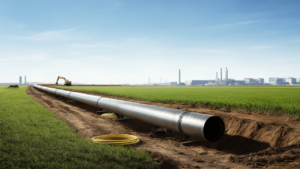
A landmark long-term agreement has been signed between German energy supplier EWE and major steel manufacturer Salzgitter Flachstahl GmbH for the annual supply of 10,000 metric tons of green hydrogen over a seven-year period, commencing in 2030. This green hydrogen will be delivered through Germany’s planned hydrogen core pipeline network and will be a crucial input for Salzgitter’s innovative low-carbon steel production program, SALCOS (SAlzgitter Low CO₂ Steel). This contract marks a significant milestone in Germany’s industrial decarbonization strategy, demonstrating a concrete, large-scale commitment to transitioning high-emitting industries toward a climate-neutral future.
Technical & Clinical Details
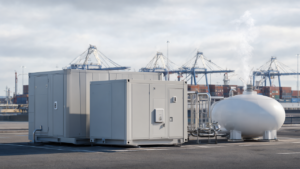
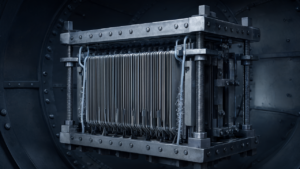
The green hydrogen will be produced at EWE’s 320 MW electrolyzer plant, currently under construction in Emden. This facility will utilize electricity from renewable sources to split water into hydrogen and oxygen through electrolysis, ensuring zero carbon emissions in the production process. The 10,000 tons per year supply is essential for Salzgitter to reduce its reliance on coke oven gas and natural gas in steelmaking, enabling a transition to hydrogen-based direct reduced iron (DRI) technology. Hydrogen acts as the reducing agent, dramatically cutting the substantial CO2 emissions typically associated with traditional blast furnace methods. The entire supply chain will be integrated into Germany’s future nationwide hydrogen pipeline network, ensuring efficient and stable delivery.
Background & Context
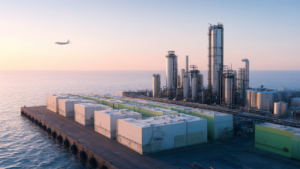
Germany is actively pursuing ambitious policies to accelerate the decarbonization of its industrial sector, aligning with European climate targets. The steel industry, which accounts for approximately 7% of global CO2 emissions, is a prime target for these efforts, making the decarbonization commitment of a major player like Salzgitter critically important. This agreement falls within Germany’s €1.3 billion national subsidy scheme for renewable hydrogen production, which has received approval from the European Commission, serving as a prominent example of policy support translating into tangible commercial projects. EWE’s 320 MW electrolyzer plant is set to be one of the foundational pillars of Germany’s burgeoning hydrogen infrastructure, laying the groundwork for a broader hydrogen economy.
Strategic Significance & Outlook
This long-term supply contract plays a pivotal role in de-risking investments in large-scale electrolyzer plants by providing demand certainty (offtake agreements), thereby encouraging the development of further green hydrogen projects. Salzgitter’s SALCOS program is expected to serve as a role model for other steel manufacturers, potentially creating a ripple effect across the industrial sector towards decarbonization. As the planned German hydrogen core pipeline network accelerates its development towards the 2030 supply commencement, hydrogen’s path to becoming a key energy carrier within the national economy becomes increasingly clear, promising substantial reductions in industrial emissions and fostering a new green industrialization.