Key Findings
The RAMPF Group is playing a pioneering role in advancing the circular economy through its chemical recycling technology, which successfully converts polyurethane and PET waste into high-quality recycled polyols. By incorporating these recycled polyols into new polyurethane products, the company has achieved a remarkable reduction of over 40% in CO₂ emissions compared to conventional petroleum-based systems.
Technical / Clinical Details
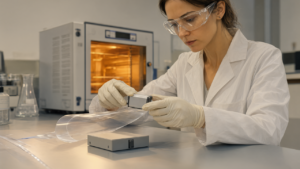
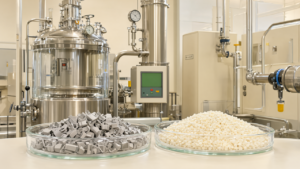
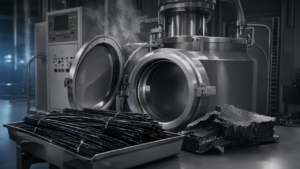
RAMPF Group’s chemical recycling technology involves depolymerization or glycolysis processes that break down post-consumer polyurethane foam, PET bottles, and other polymer waste into monomers or oligomers, from which high-purity recycled polyols are refined. These recycled polyols have been validated to match the quality and performance of virgin polyols, making them suitable for reuse in a variety of polyurethane products, including automotive components, building materials, insulation, and furniture. The stated CO₂ emission reduction of over 40% is calculated based on a life cycle assessment (LCA) that spans from raw material production to the final product, demonstrating significant benefits in resource conservation and waste minimization.
Background & Context
The escalating plastic waste crisis and the imperative to address climate change pose urgent global challenges, demanding sustainable solutions from the chemical industry. Chemical recycling is gaining increasing importance, particularly for thermoset plastics like polyurethane, which are challenging to mechanically recycle once cured. The commercial-scale success of chemical recycling by companies like RAMPF accelerates the transition from a traditional linear economic model to a circular economy, encouraging the broader adoption of sustainable manufacturing processes across industries.
Strategic Significance & Outlook
This innovative approach by the RAMPF Group holds significant potential to enhance raw material security while simultaneously contributing to climate protection goals. The company is expected to further expand its recycling capacities and extend the application of its technology to a more diverse range of waste streams. The widespread adoption of chemical recycling will require not only technological maturation but also supportive policies, robust sorting infrastructure, and the establishment of a viable market for recycled materials. These efforts are anticipated to contribute to the realization of a resource-efficient society and the effective resolution of plastic pollution challenges.
Get our weekly technology intelligence — free
Receive an infographic that lets you judge at a glance whether each field’s analysis report is worth reading.
Subscribe Free — Weekly Tech Intelligence
By subscribing, you’ll receive Troy-Technical’s weekly technology intelligence newsletter.
- Your email and selected fields are used only to deliver the newsletter.
- We never share your information with third parties.
- You can unsubscribe anytime via the link in each email.
See our Privacy Policy for details.
Takes about a minute · Unsubscribe anytime