Key Findings
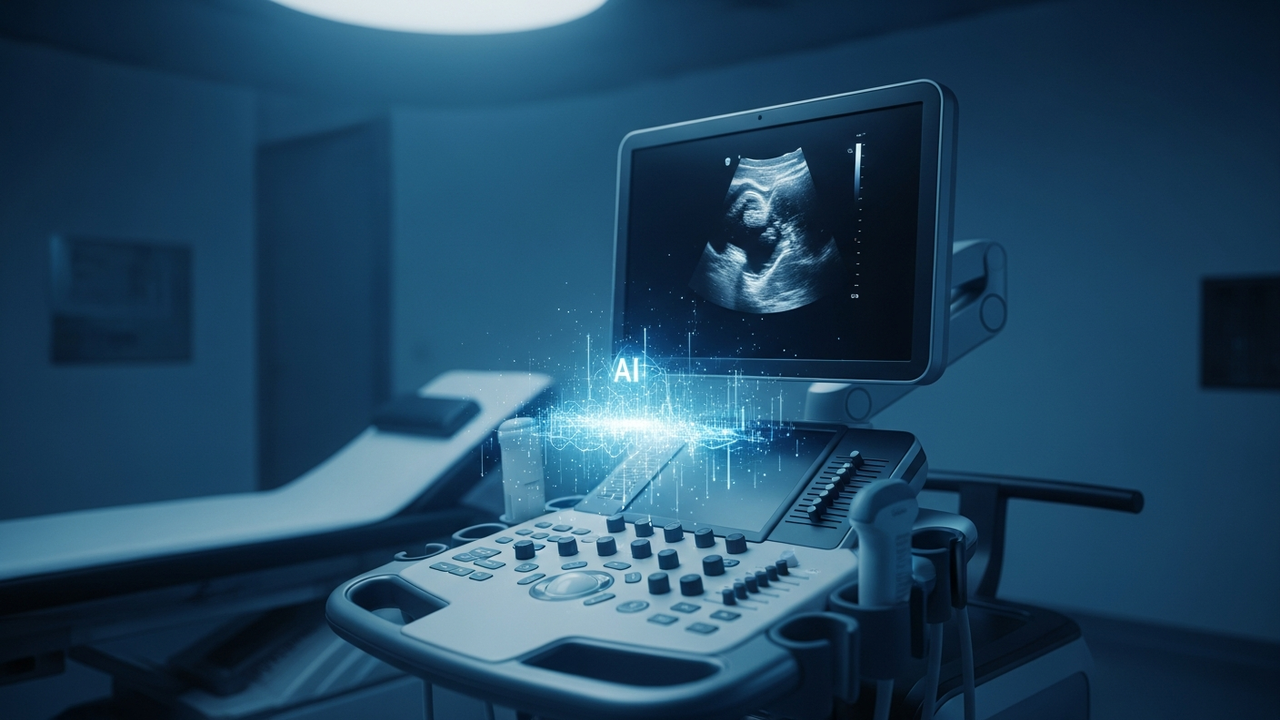
The AI breast ultrasound tool developed by DeepHealth has successfully secured 510(k) clearance from the U.S. Food and Drug Administration (FDA). This crucial approval formally recognizes the capability of an AI system to autonomously analyze breast ultrasound images and generate diagnostic reports. Clinical evaluations demonstrated that this AI tool improves breast cancer detection sensitivity by 8% and, simultaneously, reduces the average time radiologists spend interpreting images by a significant 37%. This represents a pivotal moment, showcasing AI’s potential to deliver groundbreaking contributions in medical imaging diagnostics, enhancing both diagnostic quality and efficiency.
Technical / Clinical Details
DeepHealth’s AI tool leverages deep learning algorithms trained on vast datasets of breast ultrasound images paired with corresponding pathological diagnostic outcomes. Through this training, the AI has acquired the ability to automatically identify subtle abnormalities within ultrasound images, particularly lesions indicative of potential breast cancer, including features often overlooked by human eyes. The system generates standardized draft reports based on detected anomalies, serving as invaluable assistance for radiologists in making their final diagnoses. The 8% improvement in sensitivity implies the potential for detecting more early-stage cancers, directly leading to improved patient outcomes. Furthermore, the 37% reduction in interpretation time alleviates radiologist workload, potentially enabling them to serve a greater number of patients. This technology is particularly anticipated for adoption in regions with a shortage of specialists or facilities with high screening volumes.
Background & Context
Breast cancer remains one of the most common cancers among women, and early detection is paramount for improving survival rates. Ultrasound imaging, alongside mammography, plays a critical role in breast cancer screening and diagnosis. However, interpreting ultrasound images demands highly specialized expertise and experience, placing a significant burden on radiologists and often leading to lengthy diagnostic times. The application of AI technology to medical imaging diagnostics has rapidly advanced in recent years as a promising approach to address these challenges. The FDA’s approval of the DeepHealth tool marks a major step towards integrating AI into clinical practice as a practical solution that augments physician capabilities and streamlines the diagnostic process.
Strategic Significance & Outlook
The FDA clearance for DeepHealth’s AI tool represents a significant milestone in the expanding market for AI-driven medical imaging diagnostics. This technology has the potential to ultimately save more lives by improving the efficiency and accuracy of breast cancer screening programs. It is anticipated that this tool will be widely adopted by healthcare institutions and integrated into the daily workflow of radiologists. In the future, similar AI tools applied to other imaging modalities, different cancer types, and a wide range of diseases are expected to dramatically enhance the diagnostic capabilities and efficiency of the entire healthcare system. However, for AI diagnostic support tools to achieve full acceptance in clinical settings, continuous clinical validation, user-friendly interfaces, and designs that respect the ethical judgment of physicians remain indispensable.
Get our weekly technology intelligence — free
Receive an infographic that lets you judge at a glance whether each field’s analysis report is worth reading.
Subscribe Free — Weekly Tech Intelligence
By subscribing, you’ll receive Troy-Technical’s weekly technology intelligence newsletter.
- Your email and selected fields are used only to deliver the newsletter.
- We never share your information with third parties.
- You can unsubscribe anytime via the link in each email.
See our Privacy Policy for details.
Takes about a minute · Unsubscribe anytime