Key Findings
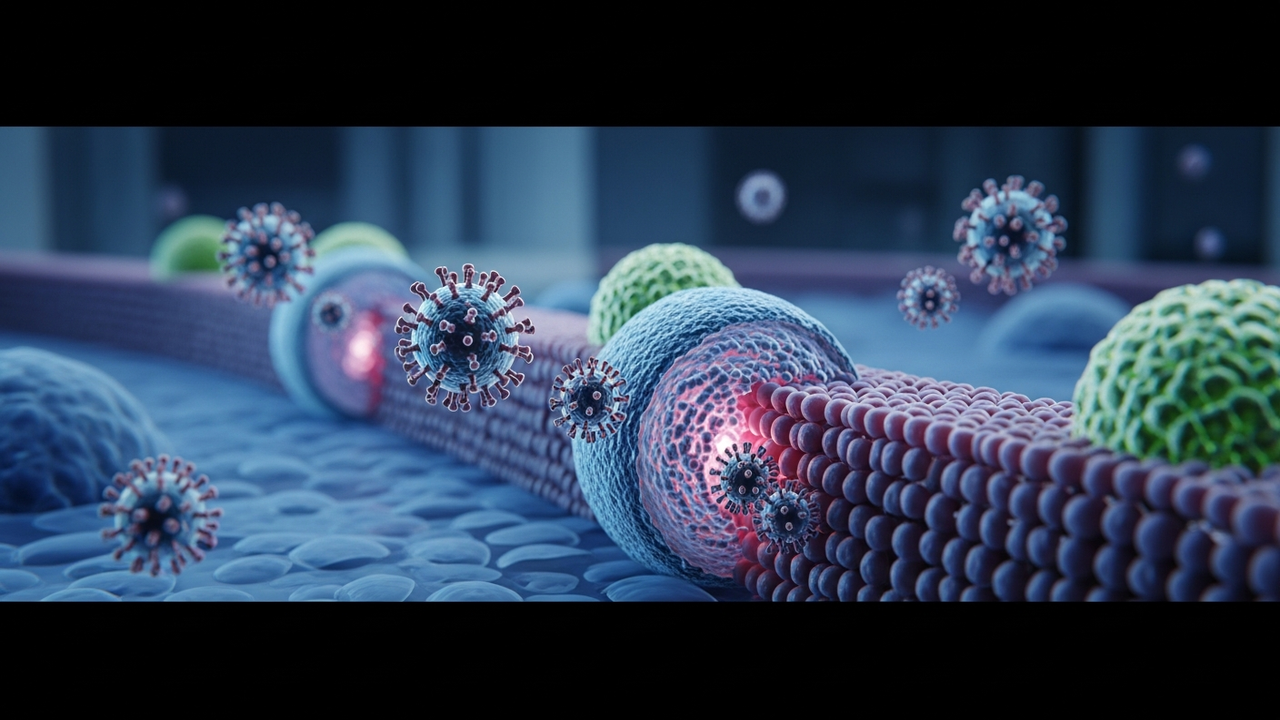
Virus-inspired nanoparticles are drawing significant attention from the scientific community as an extremely promising strategy for advanced drug and gene delivery. These biomimetic nanoparticles emulate the inherent capabilities of natural viruses to overcome biological barriers, efficiently and specifically target certain cells, and induce robust immune responses. By encapsulating diverse cargoes (such as drugs, imaging agents, and quantum dots) within their core and functionalizing their outer surface with specific targeting ligands, these systems achieve unparalleled cell-specific delivery, paving the way for the development of next-generation therapies.
Technical and Development Details
- Biomimicry of Viruses: Over billions of years, viruses have evolved sophisticated mechanisms to efficiently invade host cells and deliver their genetic material. Virus-inspired nanoparticles artificially reproduce the structural and functional characteristics of viruses (e.g., capsid stability, binding to cell surface receptors, endosomal escape mechanisms) to harness their superior delivery capabilities for therapeutic applications.
- Overcoming Biological Barriers: Delivering drugs and gene therapies to target sites in the body faces multiple biological barriers, including the blood-brain barrier, cell membranes, and endosomes. Virus-inspired nanoparticles are designed to effectively bypass or overcome these barriers, significantly improving the in vivo bioavailability and efficacy of therapeutic agents.
- Enhanced Targeting Capability: Similar to how viruses infect specific cells, virus-inspired nanoparticles achieve highly cell-specific delivery by presenting ligands (e.g., peptides, antibody fragments, aptamers) on their surface that recognize specific receptors overexpressed on target cell surfaces. This minimizes off-target effects of drugs and maximizes therapeutic efficacy.
- Cargo Versatility: These nanoparticles can encapsulate or bind various therapeutic cargoes, including small-molecule drugs, nucleic acids (siRNA, mRNA, plasmid DNA), proteins, imaging agents (fluorescent dyes, quantum dots), and even inorganic nanoparticles used for photothermal or photodynamic therapy.
- Control of Immune Response: While viruses naturally induce immune responses, virus-inspired nanoparticles can be designed to have low immunogenicity or, conversely, to function as nanovaccines that actively stimulate immune responses.
Background and Industry Context
Traditional drug delivery systems, particularly non-viral carriers, have faced challenges in delivery efficiency and targeting capability compared to viral vectors, despite their higher safety profiles. Viral vectors, on the other hand, show high efficiency but come with safety concerns like immunogenicity and risks of insertional mutagenesis. Virus-inspired nanoparticles emerged as a hybrid approach to bridge this gap, combining the high delivery efficiency of viruses with the safety advantages of non-viral carriers. This field holds the potential to bring about transformative changes in a wide range of medical applications, including cancer therapy, gene therapy, and infectious disease vaccines.Future Outlook
Research into virus-inspired nanoparticles is advancing rapidly, and the development of even more sophisticated “smart” nanodelivery systems is expected. Specifically, there will be progress in developing nanoparticles with functionalities that respond to multiple stimuli (e.g., pH, temperature, light) for drug release, or capabilities for self-assembly and disassembly in response to specific biological events. Furthermore, design optimization using AI and machine learning is projected to accelerate the development of efficient and safe virus-inspired nanocarriers. For clinical translation, long-term in vivo safety evaluation, scalable manufacturing processes, and coordination with regulatory agencies are essential. Overcoming these challenges holds the potential to deliver groundbreaking therapies for intractable diseases.
Source: https://pmc.ncbi.nlm.nih.gov/articles/PMC13196398/
Get our weekly technology intelligence — free
Receive an infographic that lets you judge at a glance whether each field’s analysis report is worth reading.
Subscribe Free — Weekly Tech Intelligence
By subscribing, you’ll receive Troy-Technical’s weekly technology intelligence newsletter.
- Your email and selected fields are used only to deliver the newsletter.
- We never share your information with third parties.
- You can unsubscribe anytime via the link in each email.
See our Privacy Policy for details.
Takes about a minute · Unsubscribe anytime