Key Findings
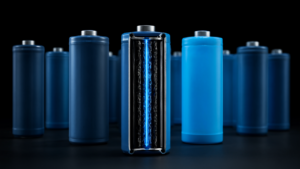
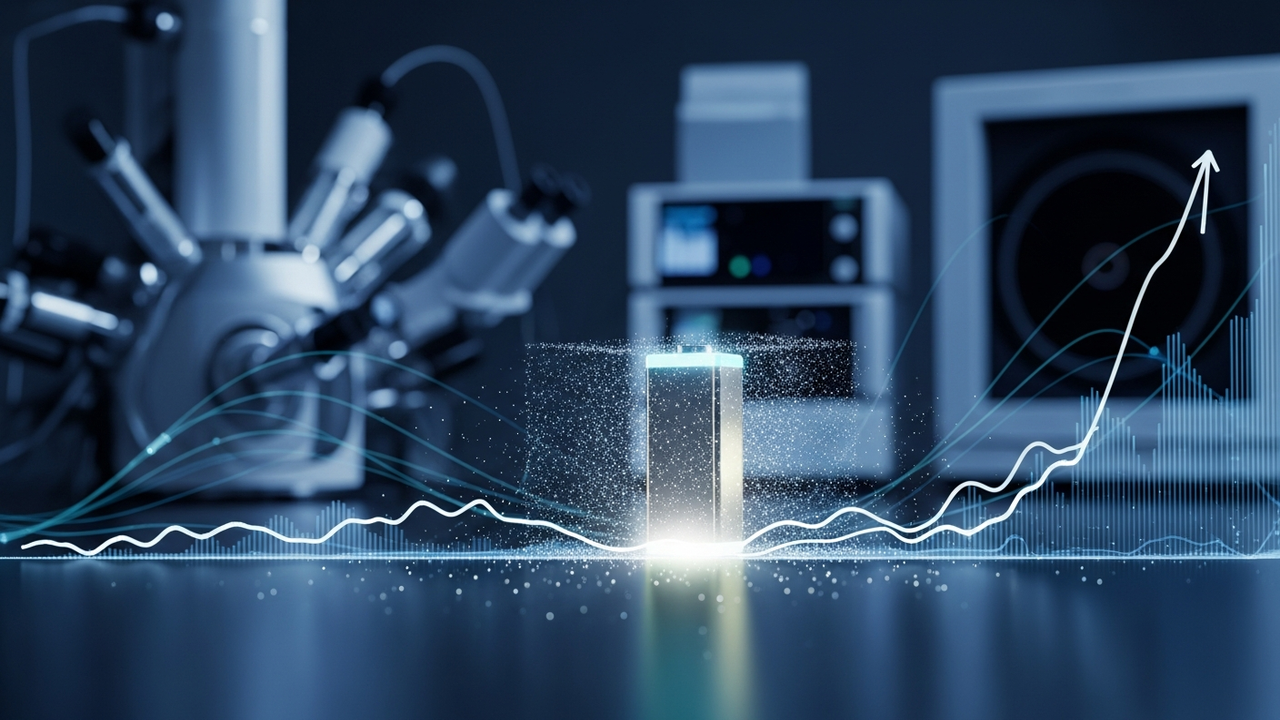
A significant breakthrough in enhancing the performance of lithium-sulfur (Li-S) batteries has been reported by a UK-based research team. Their study demonstrated the exceptional stability and efficiency of intercalated MXene nanosheets when used as separators in Li-S batteries. Remarkably, a battery fabricated with LiCl-intercalated MXene (L-MXene) achieved a high initial discharge capacity of 1076.9 mAh g⁻¹ at a rate of 0.2C, and, crucially, retained an impressive 73% of its initial capacity after 500 cycles at a fast 1C rate. This represents a substantial overcoming of the traditional challenges associated with the cycle life and rate performance limitations of conventional Li-S batteries.
Technical / Clinical Details
The research team focused on the unique properties of MXene materials, particularly their high electrical conductivity and porous structure. By modifying the MXene nanosheets with different intercalating agents, they successfully suppressed the problematic “shuttle effect” of lithium polysulfides (LiPSs) and optimized the interactions between the electrolyte and electrode materials. The intercalated MXene enhanced the adsorption and catalytic conversion efficiency of LiPSs, effectively trapping them within the separator layer. This mechanism mitigates the loss of active sulfur material and improves the electrode reaction kinetics during high-rate charging and discharging. The success of L-MXene highlights the importance of balancing both chemical stability and electrochemical activity in separator design.
Background & Context
Lithium-sulfur batteries are considered a promising next-generation battery technology due to their theoretically much higher energy density compared to existing lithium-ion batteries. However, practical implementation has been severely hindered by several key challenges, including the LiPSs shuttle effect, volume expansion of the sulfur electrode, low conductivity, and limited cycle life. The MXene nanosheet separator technology presented in this study offers a viable solution to these major hurdles, potentially accelerating the commercialization of Li-S batteries for applications in energy storage, electric vehicles, and drones. MXene materials are currently a subject of intense global research due to their superior properties for next-generation battery technologies.
Strategic Significance & Outlook
This groundbreaking achievement marks a significant step towards the commercialization of lithium-sulfur batteries. Future research is expected to focus on the scalability of the L-MXene separator manufacturing process, cost-effectiveness, and long-term reliability. Further exploration of other intercalating agents and MXene composite materials may also lead to the development of even higher-performing Li-S batteries. If commercialized, this technology could significantly extend the range of electric vehicles and improve the efficiency of renewable energy storage systems, contributing substantially to a sustainable society. For researchers and investors, MXene-based battery technology continues to be a highly attractive and promising field.
Source: https://pubs.rsc.org/tc/article-pdf/13/20/10103/10191967/d4tc05447d.pdf
Get our weekly technology intelligence — free
Receive an infographic that lets you judge at a glance whether each field’s analysis report is worth reading.
Subscribe Free — Weekly Tech Intelligence
By subscribing, you’ll receive Troy-Technical’s weekly technology intelligence newsletter.
- Your email and selected fields are used only to deliver the newsletter.
- We never share your information with third parties.
- You can unsubscribe anytime via the link in each email.
See our Privacy Policy for details.
Takes about a minute · Unsubscribe anytime