Key Findings
A team of researchers at the Massachusetts Institute of Technology (MIT) has developed a groundbreaking non-invasive continuous glucose monitoring (CGM) device based on Raman spectroscopy, which eliminates the need for skin-piercing needles. This innovative device has reportedly achieved glucose measurement accuracy comparable to currently available invasive commercial CGM systems in initial performance evaluations.
Technical/Clinical Details
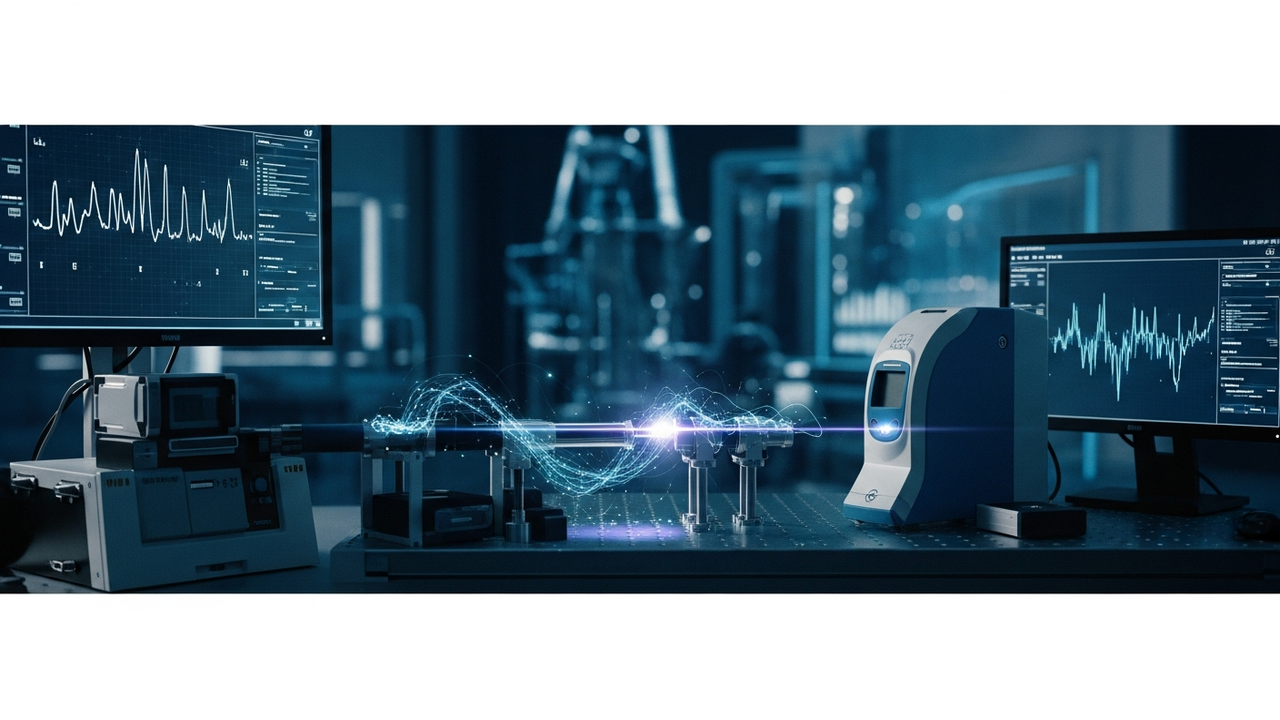
The developed Raman-based device operates by directing laser light onto the skin and estimating glucose concentration from the vibrational information of biomolecules. This method bypasses the need for blood draws or subcutaneous sensor insertion, significantly reducing patient burden. While current CGMs primarily measure glucose concentrations in interstitial fluid, this non-invasive technology holds the potential to reflect blood glucose more directly, and its comparable accuracy to traditional systems marks a significant advance in medical technology. Additionally, Abbott’s ‘Lingo’ has been introduced as a new over-the-counter (OTC) option for general consumers who do not use insulin but wish to understand their real-time glucose profiles, fostering broader adoption of CGM technology.
Background & Context
For individuals with diabetes, continuous glucose monitoring is crucial for disease management, but existing CGMs require sensor insertion into the body, which can entail infection risks and discomfort. The development of non-invasive CGMs has been a long-standing challenge. If MIT’s technology gains widespread clinical application, it could dramatically improve the quality of life for diabetes patients and accelerate CGM adoption among pre-diabetics and health-conscious individuals, thereby significantly contributing to preventive medicine. The emergence of OTC products like Abbott’s Lingo further propels this trend.
Strategic Significance & Outlook
MIT’s non-invasive Raman-based CGM device requires further large-scale clinical trials to validate its efficacy and safety. If successful, it could revolutionize the medical device market and establish a new standard for diabetes management. Needle-free monitoring would particularly benefit pediatric patients and those with needle phobia, removing psychological and physical barriers to CGM adoption. Furthermore, integration with AI could enable personalized lifestyle advice based on measurement data, bringing a future of more integrated healthcare solutions into view.
Source: https://morld.com.tw/en/blog/continuous-glucose-monitors-the-hype-and-the-caveats
Get our weekly technology intelligence — free
Receive an infographic that lets you judge at a glance whether each field’s analysis report is worth reading.
Subscribe Free — Weekly Tech Intelligence
By subscribing, you’ll receive Troy-Technical’s weekly technology intelligence newsletter.
- Your email and selected fields are used only to deliver the newsletter.
- We never share your information with third parties.
- You can unsubscribe anytime via the link in each email.
See our Privacy Policy for details.
Takes about a minute · Unsubscribe anytime