Key Findings
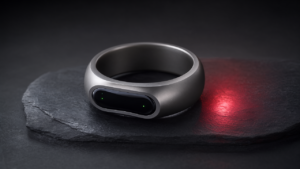
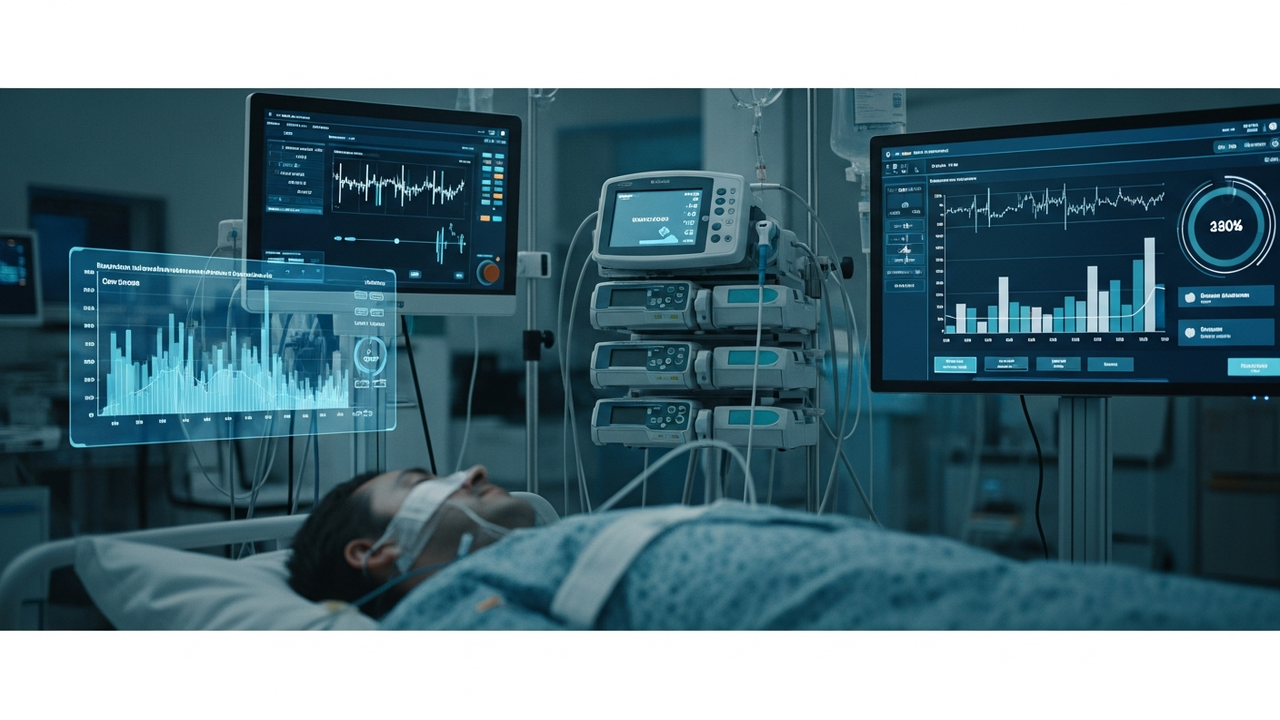
A retrospective propensity score-matched cohort study, involving 592 critically ill adult patients in Intensive Care Units (ICUs), has revealed that continuous glucose monitoring (CGM)-guided glycemic management significantly improves patient outcomes compared to conventional point-of-care (POC) glucose monitoring. Notably, CGM-guided management was associated with a reduction in in-hospital mortality to 9.5% (versus 15.5% in the POC group) and a halving of severe hypoglycemic events, with an incidence of 4.7% (versus 10.8% in the POC group). These are critical findings, suggesting CGM’s potential to dramatically enhance safety and efficacy in managing blood glucose in critically ill patients.
Technical and Clinical Details
In this study, CGM devices continuously measured interstitial fluid glucose levels, providing real-time data to medical staff. This enabled more detailed and earlier detection of glucose fluctuations, allowing for prompt adjustments to insulin dosages and nutritional support. Traditional POC monitoring, which relies on intermittent measurements (typically every few hours) via finger-pricks or arterial blood draws, carries the risk of missing rapid glucose changes. The introduction of CGM dramatically increased the frequency of glucose monitoring in critically ill patients, facilitating early detection and rapid correction of adverse events like hypoglycemia and hyperglycemia. Specifically, the CGM group experienced shorter ICU lengths of stay and a reduced incidence of nosocomial infections (e.g., pneumonia, bloodstream infections, urinary tract infections). This is likely attributable to strict glycemic control contributing to improved immune function and organ protection.
Background and Industry Context
Glycemic management in the ICU is a critical factor directly impacting mortality and morbidity in critically ill patients suffering from conditions such as sepsis, myocardial infarction, stroke, and trauma. Hyperglycemia exacerbates inflammatory responses, while hypoglycemia increases the risk of brain injury, making tight glycemic control a recommended practice. However, blood glucose levels in critically ill patients are highly volatile, making optimal management challenging with conventional intermittent monitoring. CGM is emerging as a groundbreaking solution to this long-standing problem, with accelerated efforts to apply CGM technology, already well-established in general diabetes care, to critical care medicine. It is important to note that, as a retrospective observational study, further prospective randomized controlled trials are needed to establish a direct causal link between CGM and improved outcomes.
Strategic Significance and Outlook
The findings of this study suggest that CGM has the potential to become a standard medical tool in the management of critically ill patients. In the future, CGM systems integrated with AI are expected to evolve into ‘closed-loop’ glycemic management systems. These systems would combine glucose data with other vital signs and biomarker information to automatically recommend more personalized treatment protocols, thereby reducing the burden on medical staff while maximizing patient safety. Furthermore, improvements in cost-effectiveness, reduction of alarm fatigue, and enhanced device biocompatibility and reliability will be crucial for widespread adoption. As more evidence from prospective studies accumulates, the proliferation of CGM in ICUs is anticipated to accelerate, significantly contributing to improved prognosis for critically ill patients.
Source: https://www.frontiersin.org/journals/endocrinology/articles/10.3389/fendo.2026.1921773/full
Get our weekly technology intelligence — free
Receive an infographic that lets you judge at a glance whether each field’s analysis report is worth reading.
Subscribe Free — Weekly Tech Intelligence
By subscribing, you’ll receive Troy-Technical’s weekly technology intelligence newsletter.
- Your email and selected fields are used only to deliver the newsletter.
- We never share your information with third parties.
- You can unsubscribe anytime via the link in each email.
See our Privacy Policy for details.
Takes about a minute · Unsubscribe anytime