Key Findings
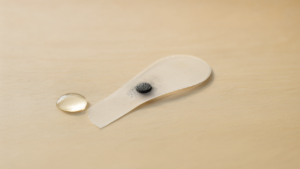
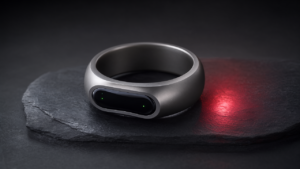
Artificial Intelligence (AI) is fundamentally transforming the landscape of medical diagnostics and patient care, heralding a new era in medicine. AI platforms efficiently aggregate and interpret immense physiological data generated by wearable devices such as smartwatches, continuous glucose monitors, and cardiac patches. This capability allows for the early identification of anomalous health patterns and critical signals, issuing real-time alerts to medical teams. This significantly facilitates early disease detection, enabling patients to receive preventive interventions before symptoms fully manifest, thus profoundly shifting healthcare from a ‘reactive’ to a ‘proactive’ model.
Technical and Clinical Details
AI’s specific contributions to medical diagnostics and patient care are multifaceted. In medical imaging analysis, deep learning algorithms analyze radiological images (X-rays, MRIs, CT scans) to detect subtle tumors and lesions with high accuracy, often missed by the human eye. This improves both the speed and precision of diagnoses. In digital pathology, AI aids in identifying cancer cells and staging diseases by analyzing slide images, enhancing diagnostic consistency and reducing inter-observer variability. Predictive analytics leverages machine learning models to integrate patient medical records, genetic information, lifestyle data, and real-time data from wearable devices. This holistic analysis identifies patients at high risk for specific conditions (e.g., Type 2 diabetes) before symptom onset, creating opportunities for preventive intervention. For instance, AI can detect abnormal heart rate variability patterns to predict the risk of cardiovascular events. Furthermore, AI contributes to optimizing personalized treatment by recommending the most effective therapies based on a patient’s unique characteristics.
Background and Industry Context
The healthcare industry faces global challenges such as an aging population, increasing prevalence of chronic diseases, and a shortage of healthcare professionals. AI is expected to be a powerful solution to overcome these challenges. By utilizing AI, healthcare processes can be streamlined, diagnostic objectivity can be enhanced, and personalized medicine can be advanced. The progression of remote patient monitoring and telemedicine is accelerating the adoption of AI-enabled wearable devices, establishing an environment where patients can receive specialized medical support from home. This improves patient accessibility and reduces the overall burden on the healthcare system. However, AI applications in medicine also entail crucial considerations regarding data privacy protection, algorithm transparency, ethical issues, and regulatory approval processes.
Strategic Significance and Outlook
The evolution of AI will continue to shape the future of medicine. In the future, AI may integrate vast data from multiple wearable devices to construct a ‘digital twin’ for individual patients. This would allow for simulating the effects of various therapies in a virtual environment, leading to real-time optimal treatment strategy determination. AI is also expected to contribute to the discovery of new therapeutic drugs, the optimization of personalized drug dosages, and a deeper understanding of diseases at the molecular level. These advancements will realize unprecedented levels of disease prevention, early diagnosis, precise treatment, and improved patient quality of life, forming the foundation for a transformative change in the entire healthcare system.
Get our weekly technology intelligence — free
Receive an infographic that lets you judge at a glance whether each field’s analysis report is worth reading.
Subscribe Free — Weekly Tech Intelligence
By subscribing, you’ll receive Troy-Technical’s weekly technology intelligence newsletter.
- Your email and selected fields are used only to deliver the newsletter.
- We never share your information with third parties.
- You can unsubscribe anytime via the link in each email.
See our Privacy Policy for details.
Takes about a minute · Unsubscribe anytime