Key Findings
UnitedHealthcare (UHC) has updated its medical policy concerning coverage for continuous glucose monitoring (CGM) and insulin delivery systems in diabetes management. The revised policy distinctly defines the ‘proven and medically necessary’ conditions for the use of specific CGM types and insulin pumps. Of particular note, non-invasive CGM devices are explicitly deemed ‘unproven and not medically necessary’ due to the current lack of sufficient scientific evidence supporting their efficacy. This determination is poised to significantly impact patient access and market trends for these technologies.
Technical and Clinical Details
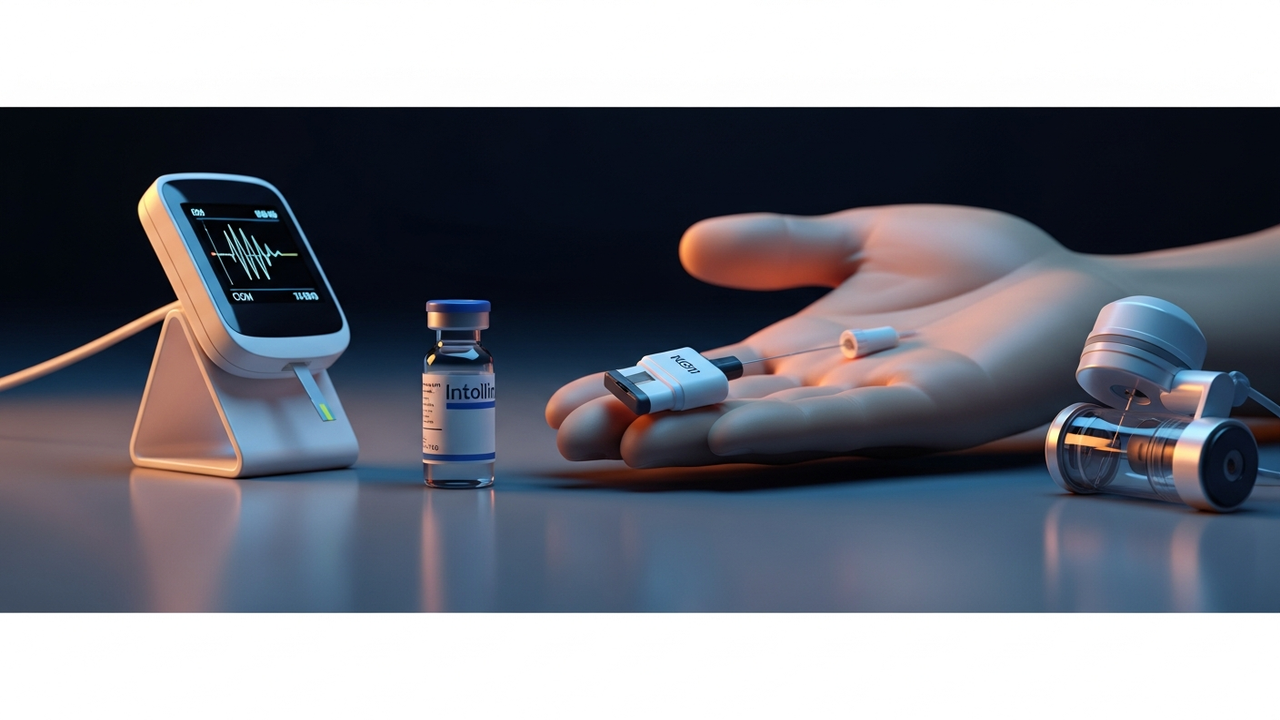
UHC’s policy outlines the types of CGM and insulin delivery systems that may be eligible for coverage:
- Intermittently Scanned (Flash) Continuous Glucose Monitoring (IS-CGM): Typically, devices that provide glucose data when the user scans a reader over the sensor.
- Non-adjunctive CGM: FDA-approved CGM systems that can be used for treatment decisions (e.g., insulin dose adjustments) without requiring confirmation from a blood glucose meter (SMBG).
- External Insulin Pumps: Systems that combine glucose monitoring with insulin delivery (e.g., hybrid closed-loop insulin pumps, automated insulin delivery systems).
These devices are covered if they meet specific medical criteria, such as for Type 1 diabetes patients with a history of severe hypoglycemia or hyperglycemia, pregnant diabetic patients, or Type 2 diabetes patients on specific insulin regimens. In contrast, non-invasive CGMs, which attempt to measure blood glucose through the skin or other bodily fluids (e.g., sweat, tears), are excluded from coverage due to technical challenges and a lack of clinical efficacy. The policy emphasizes that FDA approval alone does not constitute a basis for coverage.
Background and Industry Context
Diabetes is a globally increasing chronic disease, and effective glycemic management is crucial for preventing complications. CGM has significantly contributed to improving glycemic control, reducing hypoglycemia risk, and enhancing patients’ quality of life by providing real-time, detailed glucose data compared to traditional self-monitoring. Consequently, leading medical organizations and societies (e.g., American Diabetes Association, CMS) recommend CGM use. However, for health insurance companies, covering new, often expensive, medical technologies requires balancing evidence-based medical necessity with cost-effectiveness. UHC’s policy update reflects the industry’s stance on which evolving and diversifying CGM technologies are recognized as clinically effective and to what extent they will be covered. The exclusion of non-invasive CGMs highlights that this technology area has yet to establish clinical reliability.
Strategic Significance and Outlook
UHC’s policy update will prompt developers of non-invasive CGM technologies to submit more rigorous clinical efficacy data and safety profiles. In the future, if non-invasive CGMs achieve technological maturity and establish clinical evidence, major insurers like UHC may reconsider their coverage. Furthermore, more advanced hybrid closed-loop systems and AI-integrated insulin delivery systems are expected to see expanded coverage. This development underscores that innovation in diabetes management technology, beyond mere technical advancement, must navigate strict evaluations of regulation, insurance coverage, and cost-effectiveness to ultimately reach patients.
Get our weekly technology intelligence — free
Receive an infographic that lets you judge at a glance whether each field’s analysis report is worth reading.
Subscribe Free — Weekly Tech Intelligence
By subscribing, you’ll receive Troy-Technical’s weekly technology intelligence newsletter.
- Your email and selected fields are used only to deliver the newsletter.
- We never share your information with third parties.
- You can unsubscribe anytime via the link in each email.
See our Privacy Policy for details.
Takes about a minute · Unsubscribe anytime