Key Findings
The next era of Remote Patient Monitoring (RPM) is marked by a transformative shift towards personalized chronic disease care, driven by the innovative integration of wearable devices, digital biomarkers, and Artificial Intelligence (AI). This evolved RPM model sees wearables, smartphones, implantable devices, home diagnostics, and ambient sensing technologies working in concert to continuously collect longitudinal data on patient physiology, behavior, function, symptoms, and treatment responses. AI and advanced analytical methods harness this vast data to provide robust risk prediction, digital phenotyping, clinical decision support, and highly personalized intervention strategies, with the potential to fundamentally revolutionize the management of a wide array of chronic diseases, including cardiometabolic, neurological, pulmonary, oncological conditions, and mental health disorders.
Technical and Clinical Details
The core technologies underpinning this next-generation RPM include:
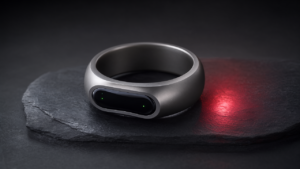
- Wearable Devices: Smartwatches, smart patches, and smart clothing continuously and non-invasively monitor vital signs and physiological parameters such as heart rate, respiration rate, body temperature, activity levels, sleep patterns, blood glucose, and blood pressure.
- Digital Biomarkers: The data collected from these devices serve as objective, quantitative indicators reflecting early disease signs, progression, treatment response, and specific symptoms (eg., Parkinson’s tremors, depression activity levels).
- Artificial Intelligence (AI) and Machine Learning (ML): The immense volume of collected data is analyzed by AI/ML algorithms to identify hidden patterns, trends, and anomalies. This enables the prediction of disease onset risk or early warning of potential patient deterioration. For instance, systems are being developed to predict heart failure exacerbation from subtle changes in heart rate variability.
- Predictive Analytics and Digital Twins: AI predicts future health states based on individual patient data, constructing virtual ‘digital twins’ to simulate the effects of various treatments and propose optimal, personalized intervention strategies.
- Closed-Loop Therapeutic Ecosystems: Systems where sensor data is analyzed by AI to automatically administer treatment (e.g., insulin adjustment by pumps, symptom management by neurostimulators) are continually evolving.
These technologies facilitate the real-time sharing of patient health data with healthcare providers, enabling more timely and personalized care.
Background and Industry Context
Traditional chronic disease care has predominantly been ‘episodic,’ based on periodic clinic visits, making it challenging to capture continuous changes in a patient’s health status in their daily lives. This often leads to undetected disease exacerbations, unexpected hospital readmissions, and high-cost medical interventions. The evolution of RPM aims to shift this intermittent care model towards continuous, preventive precision care. The COVID-19 pandemic further underscored the importance of telemedicine and RPM, accelerating their adoption and proliferation. Governments and insurance companies are actively supporting investment in RPM technologies from the perspective of healthcare cost reduction and improved patient outcomes.
Strategic Significance and Outlook
The next era of RPM will be characterized by deeper integration with AI and the utilization of multimodal data. Instead of single-device monitoring, AI will integrate and analyze diverse data from multiple devices to build more comprehensive and accurate health profiles. This will enable a holistic understanding of chronic disease patients’ health status, providing not only personalized treatments but also specific advice on lifestyle improvements. AI may also contribute to the discovery of new digital biomarkers, potentially enabling ultra-early disease detection. While ethical considerations, data privacy and security, and the development of regulatory frameworks are crucial challenges for widespread societal adoption of this innovative care model, its potential impact on fundamentally improving healthcare delivery and patients’ quality of life is immense.
Get our weekly technology intelligence — free
Receive an infographic that lets you judge at a glance whether each field’s analysis report is worth reading.
Subscribe Free — Weekly Tech Intelligence
By subscribing, you’ll receive Troy-Technical’s weekly technology intelligence newsletter.
- Your email and selected fields are used only to deliver the newsletter.
- We never share your information with third parties.
- You can unsubscribe anytime via the link in each email.
See our Privacy Policy for details.
Takes about a minute · Unsubscribe anytime