Background
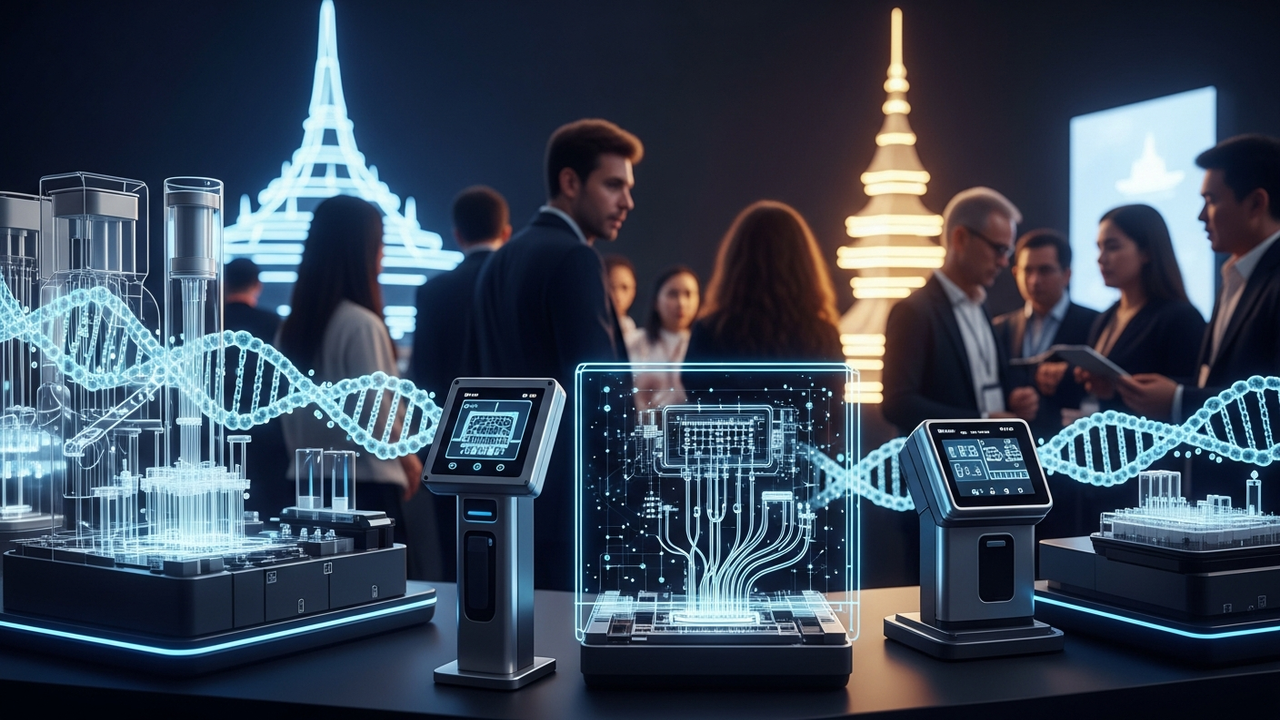
Bangkok, Thailand, has recently solidified its position as a formidable regional hub for biotechnology, medical technology, and digital health across Southeast Asia. This growth is underpinned by substantial government investment in research and development, a dynamic startup ecosystem, and a burgeoning medical tourism sector, all collectively fueling significant innovation. The decision to host IEEE BioSensors 2026 in this environment presents a unique opportunity to foster deeper collaboration between academia and industry, both domestically and internationally, capitalizing on the region’s conducive innovation landscape.
Key Findings
The IEEE BioSensors 2026 Conference is slated for August 1, 2026, in Bangkok, Thailand. This international gathering will unite researchers, engineers, and industry professionals worldwide to explore the latest advancements and applications in biosensor technology. A significant emphasis will be placed on electrochemical Point-of-Care (PoCT) biosensors, which are critical for enabling rapid and accessible diagnostics.
The conference agenda will encompass a broad spectrum of biosensor-related topics, including:
- Wearable and Diagnostic Devices: Focusing on next-generation wearable sensors and diagnostic systems for real-time physiological monitoring and biomarker detection.
- Data-Driven Biosensing Solutions: Exploring the integration of AI and machine learning to analyze extensive biosensor data, aiming for enhanced diagnostic accuracy and personalized therapeutic approaches.
- Electrochemical PoCT Biosensors: Highlighting innovations in high-sensitivity, low-cost electrochemical PoCT devices for the rapid and straightforward detection of disease biomarkers, spanning infectious diseases, cancer, and metabolic disorders.
- Biointerface Materials and Nanotechnology: Discussing the application of advanced material science and nanoscale technologies to boost sensor sensitivity, selectivity, and biocompatibility.
These innovations hold significant promise for accelerating clinical decision-making and enabling earlier interventions, thereby improving public health outcomes and reducing healthcare expenditures.
IEEE BioSensors 2026 is poised to be instrumental in shaping the future trajectory of biosensor technology. The groundbreaking research and industrial applications unveiled at the conference are expected to significantly impact the development of next-generation diagnostic tools, personalized medicine, and proactive healthcare strategies. Crucially, the advancement of PoCT biosensors offers immense potential to enhance healthcare accessibility in resource-constrained or remote regions, thereby playing a vital role in mitigating global health disparities.
Source: https://confcats-event-sessions.s3.amazonaws.com/biosensors26/Biosensors_2026_program.pdf
Get our weekly technology intelligence — free
Receive an infographic that lets you judge at a glance whether each field’s analysis report is worth reading.
Subscribe Free — Weekly Tech Intelligence
By subscribing, you’ll receive Troy-Technical’s weekly technology intelligence newsletter.
- Your email and selected fields are used only to deliver the newsletter.
- We never share your information with third parties.
- You can unsubscribe anytime via the link in each email.
See our Privacy Policy for details.
Takes about a minute · Unsubscribe anytime