Key Findings
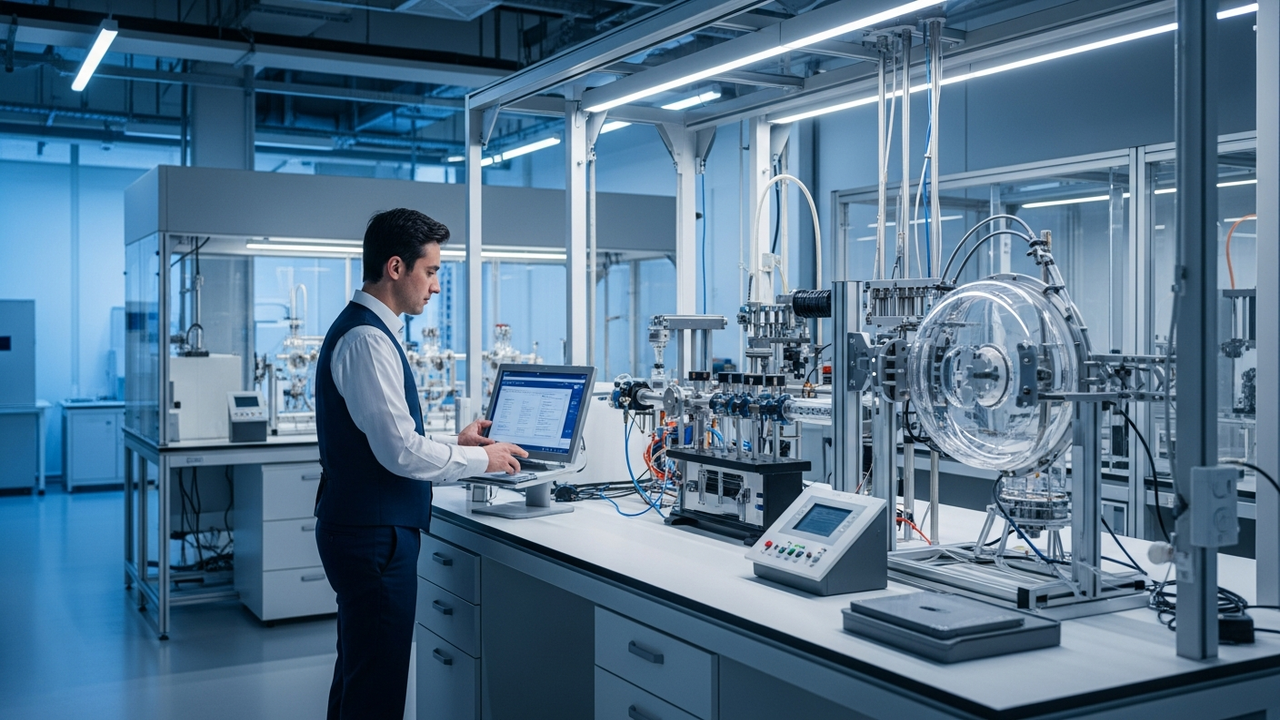
OAE Publishing Inc. has announced the development of the innovative ‘AI-eChemist Laboratory,’ designed to dramatically accelerate electrocatalysis research. This autonomous laboratory (SDL) seamlessly integrates intelligent decision-making, automated high-throughput experimentation, multimodal characterization, and data-driven analysis, ushering in a new paradigm for the discovery and optimization of electrocatalytic materials.
Technical / Clinical Details
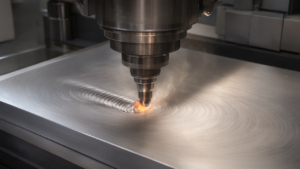
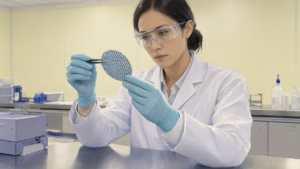
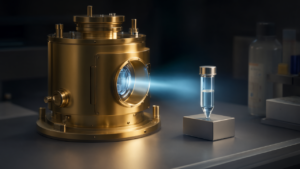
The AI-eChemist Laboratory automates the entire material research cycle by combining multiple modules. Specifically, AI agents intelligently determine the next experimental conditions or material compositions based on vast amounts of existing data (literature, databases, simulation results) and new experimental outcomes. The experimental plans formulated by this AI are executed by a high-throughput experimental platform equipped with robotic arms and automated liquid handling systems, allowing for rapid synthesis and screening of numerous material candidates. Furthermore, the generated materials are automatically analyzed using various multimodal characterization tools, such as X-ray diffraction, electron microscopy, and electrochemical measurements. The collected data are processed in real-time by an AI-driven analytical module to elucidate material structure-property relationships and reaction mechanisms. This entire process operates in a continuous loop with minimal human intervention, drastically shortening the time from material discovery to validation.
Background & Context
Electrocatalysts play a central role in clean energy technologies (e.g., hydrogen production via water electrolysis, electrochemical reduction of CO2, fuel cells). However, the discovery and development of new, highly efficient, durable, and low-cost electrocatalysts have traditionally been time-consuming and expensive processes due to the vast material search space and complex reaction mechanisms. Traditional trial-and-error approaches, heavily reliant on human experience and intuition, suffered from inefficiencies. The advent of autonomous laboratories offers a promising solution to overcome these challenges and alleviate bottlenecks in materials development.
Strategic Significance & Outlook
The introduction of the AI-eChemist Laboratory has the potential to revolutionize electrocatalysis research. This platform will enable the rapid identification of high-performance electrocatalytic materials that were previously difficult to discover, accelerating the practical implementation of technologies such as fuel cells and green hydrogen production. Moreover, this autonomous approach is applicable not only to electrocatalysis but also to the research and development of various other functional materials, including battery materials, solar cell materials, and electronic materials. In the future, such autonomous laboratories are expected to become mainstream in materials science research, dramatically increasing the pace of scientific discovery and significantly contributing to the realization of a sustainable society.
Source: https://www.oaepublish.com/articles/aiagent.2026.15
Get our weekly technology intelligence — free
Receive an infographic that lets you judge at a glance whether each field’s analysis report is worth reading.
Subscribe Free — Weekly Tech Intelligence
By subscribing, you’ll receive Troy-Technical’s weekly technology intelligence newsletter.
- Your email and selected fields are used only to deliver the newsletter.
- We never share your information with third parties.
- You can unsubscribe anytime via the link in each email.
See our Privacy Policy for details.
Takes about a minute · Unsubscribe anytime