Key Findings
This study has introduced Kolmogorov–Arnold Networks (KANs) as a groundbreaking machine learning model in the field of thermoelectric materials design. It demonstrates that KANs can predict the thermoelectric properties of materials with high accuracy, comparable to conventional models. Furthermore, the key feature of KANs, ‘interpretability,’ allows for the explicit symbolic representation of structure-property relationships, providing crucial physical insights into the design principles of thermoelectric materials.
Technical / Clinical Details
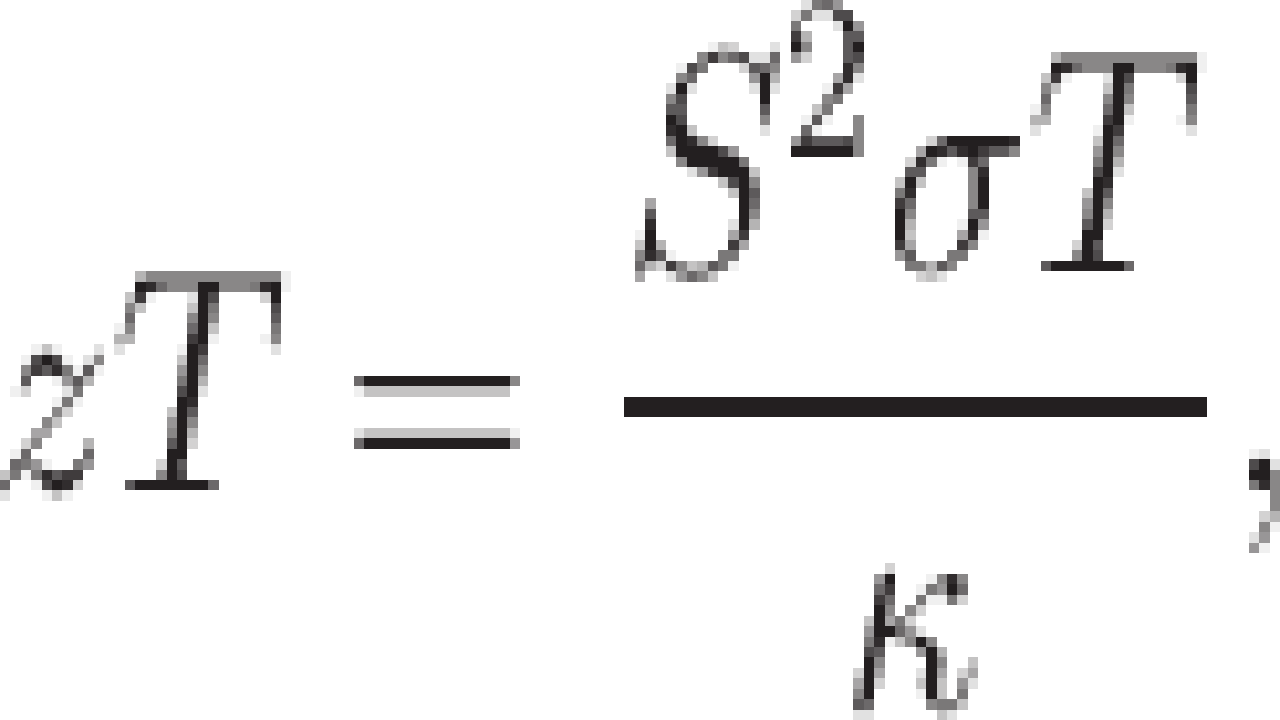
Thermoelectric materials are capable of directly converting thermal energy into electrical energy, and vice-versa, playing a vital role in areas like waste heat recovery and solid-state cooling. Designing high-performance thermoelectric materials requires models that accurately predict how material composition and structure influence thermoelectric properties such as Seebeck coefficient, electrical conductivity, and thermal conductivity. Traditional machine learning models, especially Multi-Layer Perceptrons (MLPs), while achieving high predictive accuracy, often suffer from ‘black-box’ opacity, making it difficult to understand how predictions are made or which features are most important. In contrast, KANs explicitly represent the non-linear relationship between inputs and outputs as a combination of a few simple functions (activation functions). In this study, KANs were trained using thermoelectric material compositions and structural features (e.g., atomic species, crystal structure parameters) as inputs to predict thermoelectric properties. The results showed that KANs achieved predictive accuracy equal to or superior to MLPs while successfully deriving mathematical expressions that describe how property values depend on specific compositional changes or structural features. For example, physical insights like ‘the concentration of a specific element non-linearly increases the Seebeck coefficient’ can be directly extracted from KANs.
Background & Context
Efficient energy utilization is paramount for realizing a sustainable energy society. Thermoelectric materials hold the potential to convert vast amounts of waste heat—generated daily from factories, automobile exhaust, and electronic device heat dissipation—into clean electricity. However, many commercially available thermoelectric materials face challenges in balancing performance and cost, driving the demand for new, higher-performing, and cheaper materials. Interpretable AI models like KANs enable materials scientists not only to accept predictions but also to understand the underlying physical reasons, allowing for the formulation of more efficient material exploration strategies. This is crucial for transforming the traditional trial-and-error material development process into a data-driven and principle-based rational design approach.
Strategic Significance & Outlook
The success of applying KANs to thermoelectric materials design clearly demonstrates the significant impact interpretable AI can have on materials science research. In the future, KANs are expected to be applied to the design of other functional materials (e.g., catalysts, battery materials, magnetic materials), becoming a powerful tool for elucidating complex structure-property-process relationships in materials. This will allow researchers to gain deeper physical insights while efficiently exploring the design space and rapidly discovering innovative materials. Furthermore, the mathematical insights gained from KANs will contribute to the construction of new material theories and the development of more advanced simulation models, accelerating both fundamental and applied research in materials science. This approach represents a significant step towards realizing ‘smart’ automation of materials discovery by integrating AI with human expertise.
Source: https://pmc.ncbi.nlm.nih.gov/articles/PMC13136493/
Get our weekly technology intelligence — free
Receive an infographic that lets you judge at a glance whether each field’s analysis report is worth reading.
Subscribe Free — Weekly Tech Intelligence
By subscribing, you’ll receive Troy-Technical’s weekly technology intelligence newsletter.
- Your email and selected fields are used only to deliver the newsletter.
- We never share your information with third parties.
- You can unsubscribe anytime via the link in each email.
See our Privacy Policy for details.
Takes about a minute · Unsubscribe anytime