Background
The global pharmaceutical industry is undergoing a significant transformation, marked by a decisive shift from small-molecule drugs to more complex biologics and, most recently, to sophisticated cell and gene therapies. These advanced modalities typically possess intricate molecular structures and demand highly specialized manufacturing expertise and infrastructure. Consequently, many pharmaceutical companies are increasingly opting to outsource their manufacturing to specialized Contract Development and Manufacturing Organizations (CDMOs). While the APAC region has historically been recognized for its cost-effective manufacturing of generic active pharmaceutical ingredients (APIs), it has now strategically focused on bolstering its R&D investments and technological capabilities. This concerted effort aims to establish APAC as a prominent manufacturing hub for high-value modalities, driven by strong governmental support, a large pool of skilled talent, and expanding domestic markets. This regional investment surge is strengthening the local pharmaceutical ecosystem and fundamentally redefining APAC’s role in the global supply chain.
Key Findings
The Asia-Pacific (APAC) region is demonstrating a robust and strategic expansion of its specialized pharmaceutical manufacturing capabilities, moving beyond the traditional production of conventional active pharmaceutical ingredients (APIs). This growth is specifically targeting high-value modalities, including highly potent active pharmaceutical ingredients (HPAPIs), antibody-drug conjugates (ADCs), biologics, oligonucleotides, messenger RNA (mRNA) therapeutics, viral vectors, and cell therapies. This concerted effort positions APAC as an increasingly vital hub in the global supply chain for complex and innovative medicines.
Technical & Infrastructure Demands
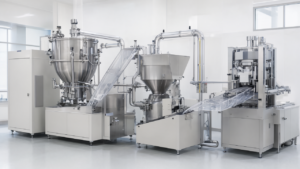
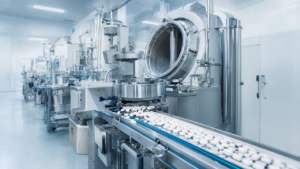
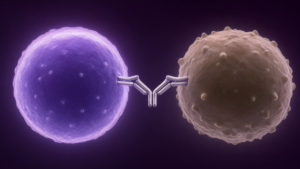
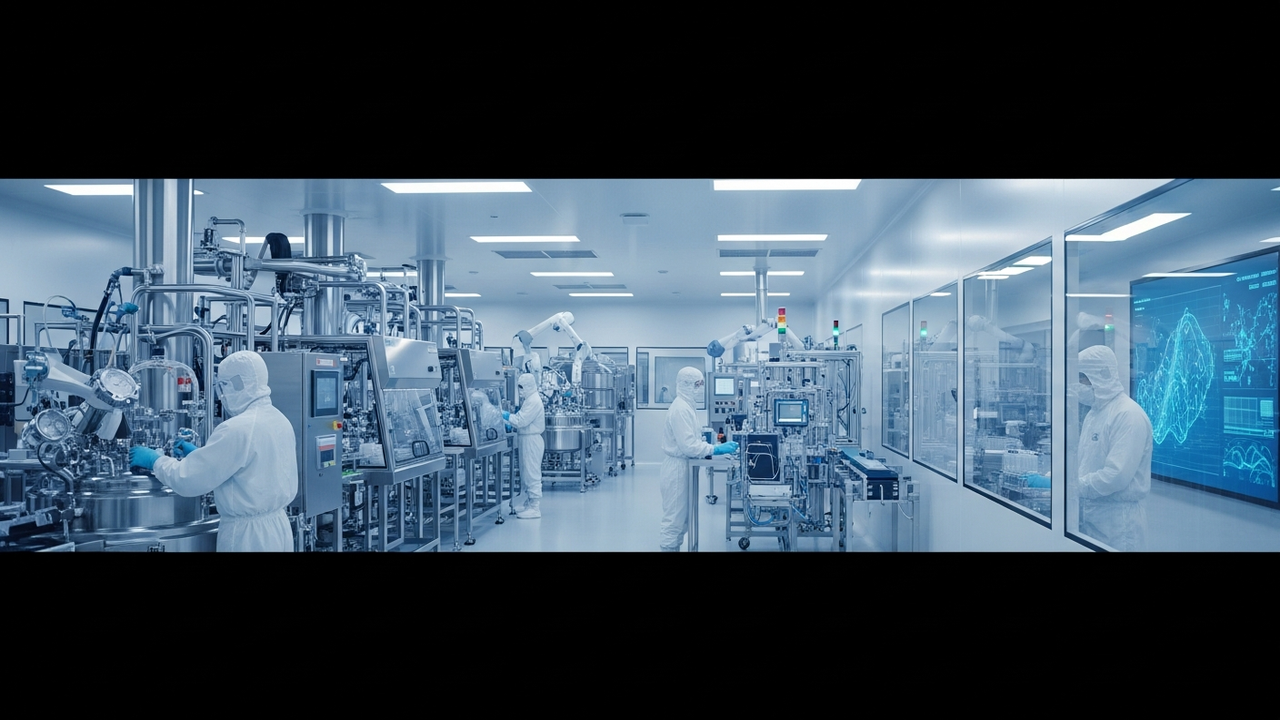
Manufacturing high-value modalities demands sophisticated technologies and infrastructure tailored to each unique characteristic. For example, HPAPIs and ADCs require stringent containment systems and advanced operator protection throughout the manufacturing process due to their inherent high potency and toxicity. ADC production involves multiple complex steps, from antibody manufacturing and cytotoxic payload synthesis to linker design and conjugation chemistry, necessitating specialized coupling and purification techniques. Similarly, the production of biologics, mRNA, oligonucleotides, viral vectors, and cell therapies each requires specific expertise in cell culture (mammalian cells, microbes), fermentation, purification, aseptic fill-finish, and lyophilization. Addressing challenges such as handling hazardous reagents, achieving high-purity purification, and ensuring efficient scale-up are critical for these advanced modalities. Countries within the APAC region, including India, China, South Korea, Singapore, Australia, and Japan, are actively investing in new and expanded state-of-the-art cGMP (current Good Manufacturing Practice) compliant facilities to meet these demanding requirements. India and China, in particular, are bolstering their production capacities to serve both extensive domestic markets and burgeoning export opportunities.
Strategic Significance & Future Outlook
The expansion of high-value pharmaceutical manufacturing capabilities across the APAC region is set to contribute significantly to the decentralization and resilience of global pharmaceutical supply chains, enabling faster market entry for novel therapeutics. This region is expected to attract increasing investment and partnerships from pharmaceutical companies worldwide, solidifying its position as a major center for pharmaceutical innovation. Future trends will likely include accelerated investment in next-generation manufacturing solutions such as artificial intelligence (AI) and digital technologies for smart manufacturing, continuous processing, and enhanced supply chain transparency. These advancements are anticipated to ensure greater accessibility to high-quality, innovative therapies for patients globally. The APAC CDMO market is projected to maintain its robust growth trajectory, evolving as a critical competitive player in the global arena.
Get our weekly technology intelligence — free
Receive an infographic that lets you judge at a glance whether each field’s analysis report is worth reading.
Subscribe Free — Weekly Tech Intelligence
By subscribing, you’ll receive Troy-Technical’s weekly technology intelligence newsletter.
- Your email and selected fields are used only to deliver the newsletter.
- We never share your information with third parties.
- You can unsubscribe anytime via the link in each email.
See our Privacy Policy for details.
Takes about a minute · Unsubscribe anytime