Background
Addressing plastic waste represents an unavoidable challenge in the pursuit of a sustainable society. The effective utilization of contaminated and mixed plastics, which are inherently difficult to process solely through mechanical recycling, is crucial for establishing a robust circular economy. Against this backdrop, chemical recycling technologies, designed to break down plastics at a molecular level into their original feedstocks, are garnering significant attention. However, it is paramount that the quality of products derived from chemical recycling is fully comparable to that of virgin materials, and that the processes themselves are demonstrably sustainable.
Key Findings
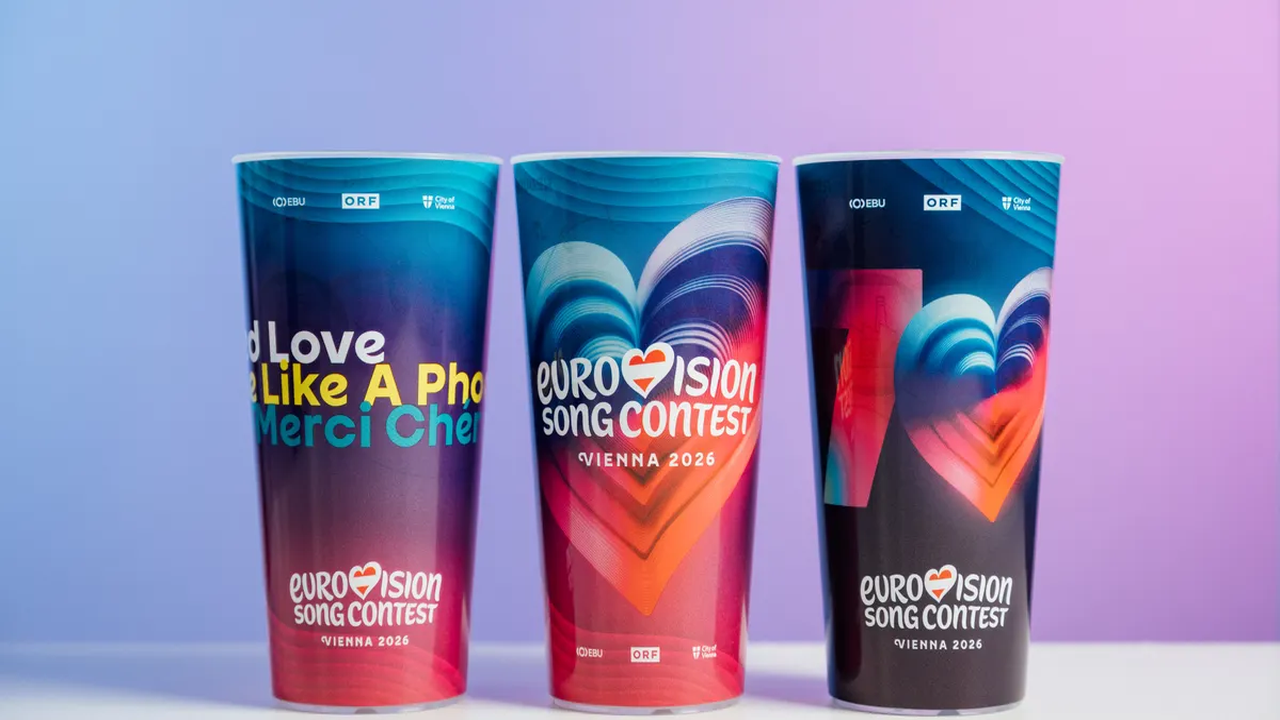
OMV has been continuously developing and demonstrating its ReOil® chemical recycling technology since 2009. The core of this technology involves converting post-consumer plastic waste into high-quality synthetic crude oil (pyrolysis oil) through a pyrolysis process. This synthetic crude oil can then be processed within existing refinery infrastructure, ultimately being transformed into the basic chemicals required for producing new plastics that meet the highest quality standards, such as those used in food packaging and medical products. OMV prioritizes the quality of circular products generated through this process, ensuring that recycled plastics achieve performance levels equivalent to virgin materials. Furthermore, the ReOil® technology has obtained ISCC PLUS (International Sustainability & Carbon Certification PLUS) certification, guaranteeing transparent traceability of circular content and sustainability across the entire supply chain, from raw material sourcing to the final product.
Technical Significance & Outlook
The evolution of OMV’s ReOil® chemical recycling technology significantly drives the plastics industry’s transition towards a circular economy. The stable supply of high-quality recycled materials is indispensable for brand owners to achieve their sustainability targets and will accelerate the adoption of recycled plastics in highly regulated sectors like food packaging and medical applications. ISCC PLUS certification provides reliability to consumers and regulators, assuring them that products are sustainably produced and genuinely circular. In the future, as the ReOil® technology scales up and commercializes further, it is expected that more plastic waste will be repurposed as valuable resources, making a substantial contribution to realizing a sustainable society that is less dependent on landfilling and incineration. This initiative demonstrates that technological innovation and quality assurance are key to the success of the circular economy, setting a benchmark for industrial practices.





Comments