Key Findings
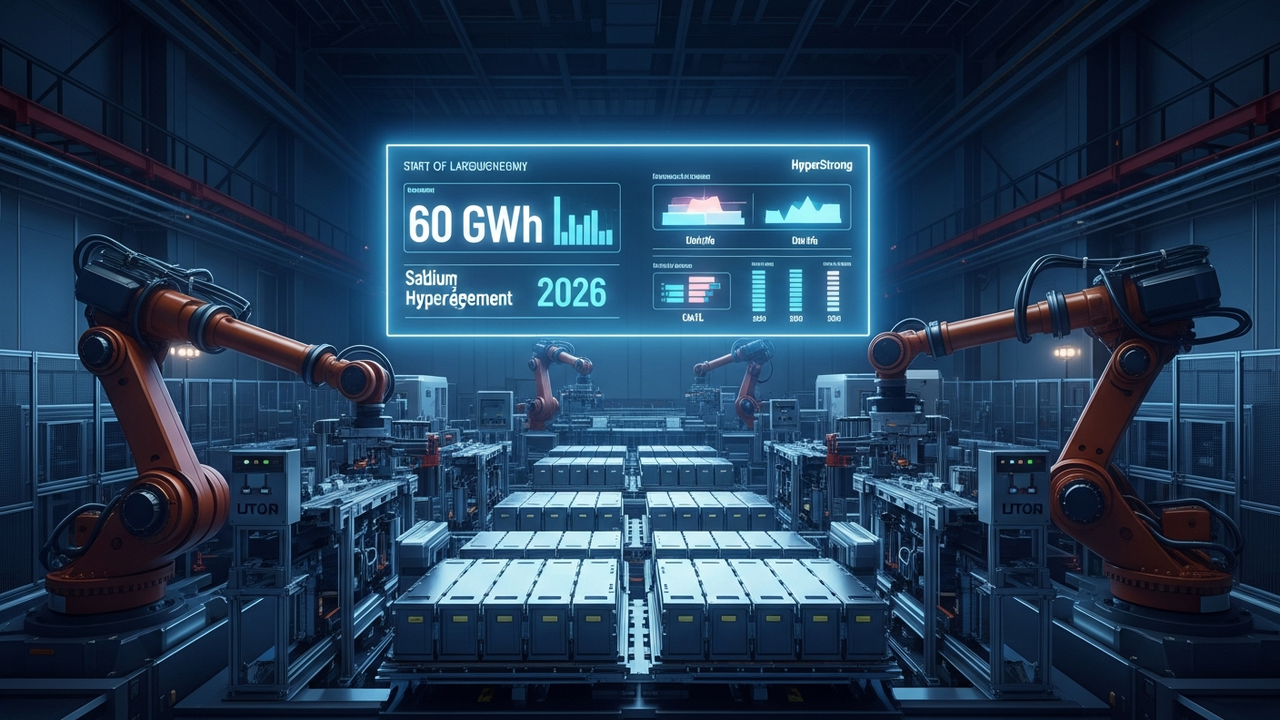
Global battery giant CATL has entered a landmark 60 gigawatt-hour (GWh) sodium-ion battery supply agreement with Chinese energy storage solutions provider HyperStrong. This pivotal deal ensures the mass production of CATL’s Naxtra sodium-ion batteries by 2026, achieving GWh-scale industrialization. This significant commitment underscores the commercial viability of next-generation battery technology and its readiness for widespread adoption in various applications.
Technical Details
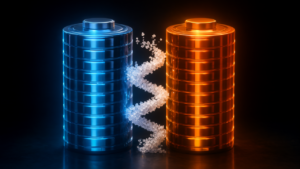
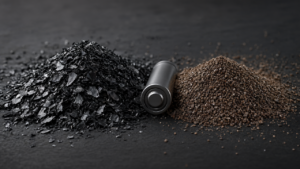
The Naxtra sodium-ion batteries from CATL are distinguished by their innovative material composition, which strategically avoids the use of rare and costly cobalt and lithium. This design choice not only mitigates supply chain risks but also significantly reduces raw material costs. Furthermore, the adoption of aluminum current collectors for both electrodes streamlines manufacturing and further optimizes cost efficiency. While earlier sodium-ion battery iterations faced energy density limitations, CATL’s advanced cells achieve an energy density of 175 Wh/kg, making them suitable for urban electric vehicles (EVs) and stationary energy storage systems, where range is less critical than cost and material availability.
Background & Context
Lithium-ion batteries currently dominate the EV and energy storage system (ESS) markets, but their reliance on critical minerals such as lithium, cobalt, and nickel presents challenges related to supply stability and price volatility. Sodium, being far more abundant and widely distributed globally, positions sodium-ion batteries as a promising alternative. Until recently, sodium-ion research was primarily confined to laboratories; however, CATL’s move to GWh-scale production signifies its transition into a commercially viable product capable of complementing or even partially replacing lithium-ion batteries. This development is expected to enhance the overall sustainability and diversity of the battery industry, reducing dependence on a limited number of raw material sources.
Strategic Significance & Outlook
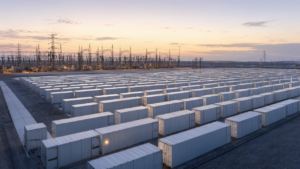
The collaboration between CATL and HyperStrong is poised to accelerate the growth of the sodium-ion battery market. The availability of a cheaper and more stable battery supply is expected to boost adoption in electric vehicles, especially for urban models and in regions where cold weather performance is critical, as sodium-ion batteries exhibit superior low-temperature characteristics compared to some LFP cells (maintaining over 85% capacity at -40°C). Additionally, their use in grid-scale energy storage and backup power applications is anticipated to expand, significantly aiding the integration of renewable energy and stabilizing power grids. This development is likely to spur further innovation and market penetration as other manufacturers follow suit, fostering a more resilient and diversified global energy storage landscape.
Get our weekly technology intelligence — free
Receive an infographic that lets you judge at a glance whether each field’s analysis report is worth reading.
Subscribe Free — Weekly Tech Intelligence
By subscribing, you’ll receive Troy-Technical’s weekly technology intelligence newsletter.
- Your email and selected fields are used only to deliver the newsletter.
- We never share your information with third parties.
- You can unsubscribe anytime via the link in each email.
See our Privacy Policy for details.
Takes about a minute · Unsubscribe anytime