Key Findings
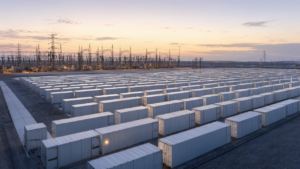
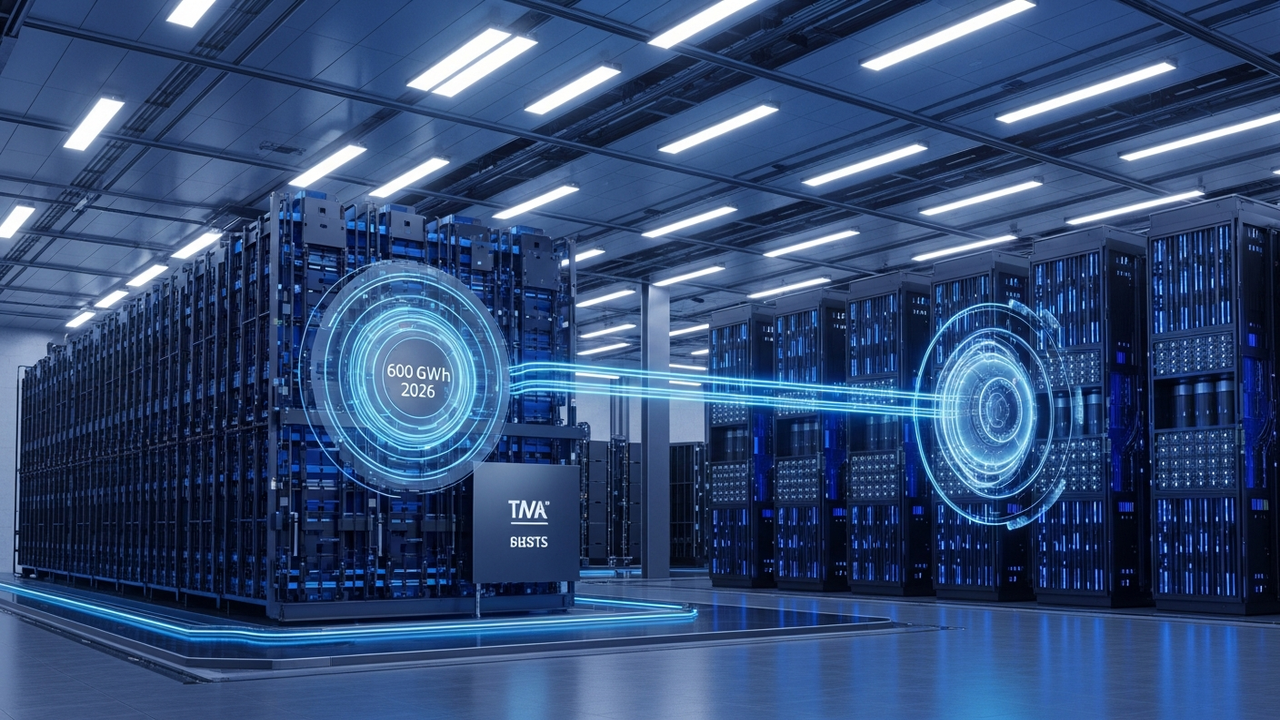
Global shipments of battery energy storage systems (BESS) are projected to reach an estimated 600 GWh in 2026, reflecting an extraordinary growth trajectory fueled by the accelerated integration of renewable energy and the exponential increase in electricity demand from AI data centers. This massive deployment is underscored by regions like India, which has already tendered over 250 GWh of storage capacity. BESS is fundamentally transforming how electricity grids are planned and operated, solidifying its role as a cornerstone of future energy infrastructure.
Technical / Clinical Details
Utility-scale deployments are the primary driver of this growth, constituting roughly 80% of new global battery capacity added between 2025 and 2026. Grid operators are evolving their strategies from mere peak shaving to comprehensive full-day energy shifting, which in turn is boosting the market share of long-duration storage projects. These systems, capable of discharging power over several hours to days, are crucial for mitigating the intermittency of renewable sources like solar and wind, ensuring a stable and reliable power supply. Advances in long-duration BESS technology are simplifying the integration of renewables and increasing their overall utilization rates within the grid.
Background & Context
The global imperative to combat climate change has led many nations to set ambitious renewable energy targets. However, the inherent variability of renewables (e.g., no solar power at night, no wind power in still air) poses challenges to grid stability. BESS provides an elegant solution by buffering this variability, storing excess generation and discharging it when needed, thereby enhancing the reliability of renewable sources. Concurrently, the proliferation of AI technologies has spurred a data center construction boom, creating unprecedented demands for reliable, high-quality power. BESS is becoming indispensable for ensuring continuous, robust power delivery to these critical digital infrastructures.
Strategic Significance & Outlook
Battery energy storage is poised to assume an even more central role in electricity grid design and operation in the coming years. Continued technological advancements, further cost reductions, and supportive regulatory frameworks will broaden the adoption of BESS across diverse applications. The relentless growth of AI data centers, in particular, will continue to accelerate investment in BESS. The maturation of long-duration storage technologies is key to enhancing grid resilience and enabling the transition to 100% renewable energy-based power systems. Policymakers, investors, and technology developers must strategically leverage the immense opportunities presented by BESS in this transformative era.
Source: https://goodenough.energy/bess-trends-2026/
Get our weekly technology intelligence — free
Receive an infographic that lets you judge at a glance whether each field’s analysis report is worth reading.
Subscribe Free — Weekly Tech Intelligence
By subscribing, you’ll receive Troy-Technical’s weekly technology intelligence newsletter.
- Your email and selected fields are used only to deliver the newsletter.
- We never share your information with third parties.
- You can unsubscribe anytime via the link in each email.
See our Privacy Policy for details.
Takes about a minute · Unsubscribe anytime