Key Findings
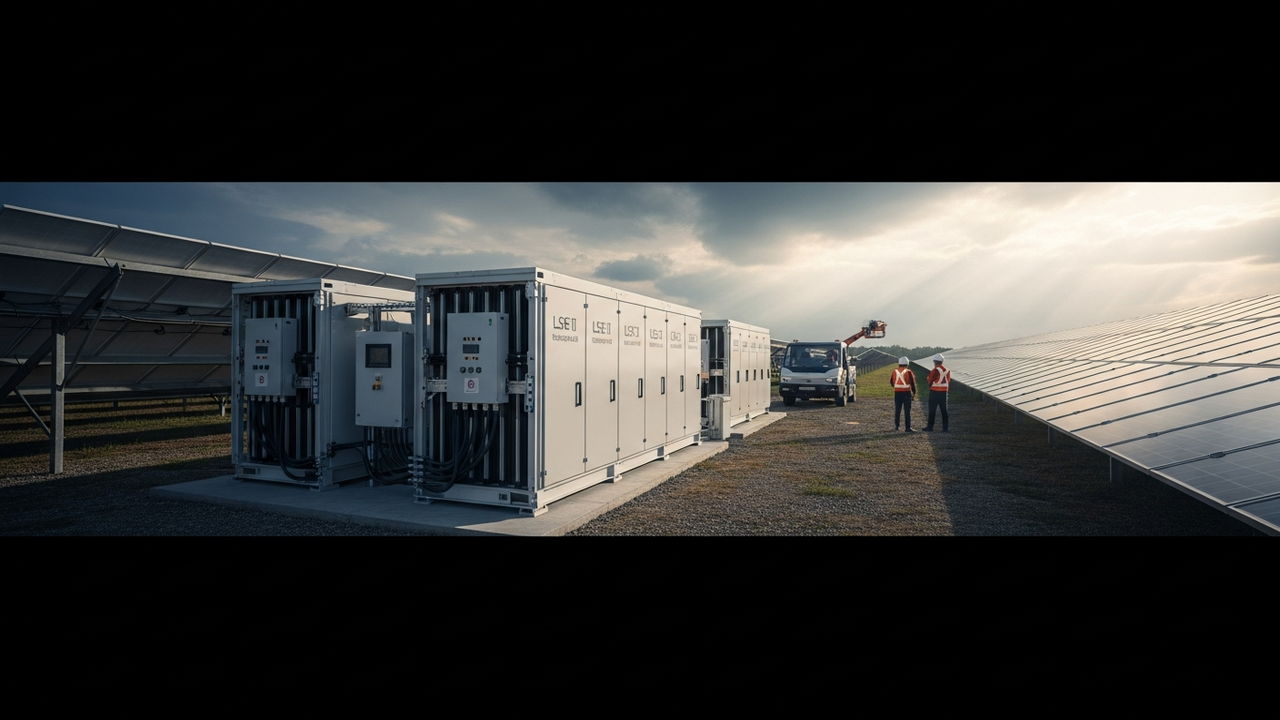
Malaysia has successfully commissioned its first 1.45 MWh Sodium-Sulfur (NaS) Battery Energy Storage System (BESS) at the LSE II Large Scale Solar farm. This landmark deployment marks a significant milestone for Malaysia’s power sector, establishing a national reference project for future large-scale standalone battery deployments. This initiative aligns with the country’s 2025 SELCO Guidelines, which mandate BESS installation for solar PV systems exceeding 72kWp after December 31, 2025, thereby accelerating the adoption of BESS across commercial and industrial (C&I) sectors.
Technical / Clinical Details
Sodium-Sulfur (NaS) batteries are particularly well-suited for long-duration energy storage applications, characterized by their high energy density, long cycle life, and relatively low cost. The 1.45 MWh NaS BESS at LSE II Solar Farm will manage the intermittency of solar power generation, storing excess electricity and discharging it during periods of high demand to stabilize the grid. For C&I users, BESS offers a multitude of economic advantages. These include mitigating high Maximum Demand charges, realizing cost savings through energy arbitrage (charging during off-peak hours and discharging during peak hours), enhancing power reliability (e.g., providing backup during outages), and contributing to corporate carbon emission reduction targets. Malaysia’s policy framework provides strong incentives for businesses to harness these benefits.
Background & Context
The ASEAN region is experiencing a dual challenge of increasing electricity demand due to economic growth and an accelerated push for renewable energy integration to combat climate change. Malaysia is no exception, confronting the imperatives of achieving its renewable energy targets while ensuring grid stability. Regulatory measures like the SELCO Guidelines underscore the government’s commitment to addressing these challenges. The introduction of next-generation long-duration storage technologies, such as NaS batteries, is also crucial for diversifying beyond lithium-ion batteries, addressing supply chain vulnerabilities, and mitigating cost fluctuation risks, thereby building a more resilient and diverse energy storage portfolio.
Strategic Significance & Outlook
The successful deployment of this NaS BESS project in Malaysia holds the potential to catalyze the wider adoption of long-duration energy storage technologies not only within the country but also across the broader ASEAN region. The mandatory BESS integration for C&I sectors, coupled with the establishment of national reference projects, will create new market opportunities for technology providers, developers, and investors. Looking forward, it is anticipated that more large-scale solar farms and industrial facilities will integrate BESS, contributing to the modernization and enhanced sustainability of the electricity grid. This trajectory positions Malaysia as a potential leader in the region’s clean energy transition, contributing to grid stabilization and optimal energy cost management.
Get our weekly technology intelligence — free
Receive an infographic that lets you judge at a glance whether each field’s analysis report is worth reading.
Subscribe Free — Weekly Tech Intelligence
By subscribing, you’ll receive Troy-Technical’s weekly technology intelligence newsletter.
- Your email and selected fields are used only to deliver the newsletter.
- We never share your information with third parties.
- You can unsubscribe anytime via the link in each email.
See our Privacy Policy for details.
Takes about a minute · Unsubscribe anytime